On January 6th, 2026, Encellin (California, Quebec) reported positive interim results of its Phase 1 clinical trial of encapsulated islets in people with type 1 diabetes (T1D), which is being carried out in Toronto and Montreal.
Trial Details:
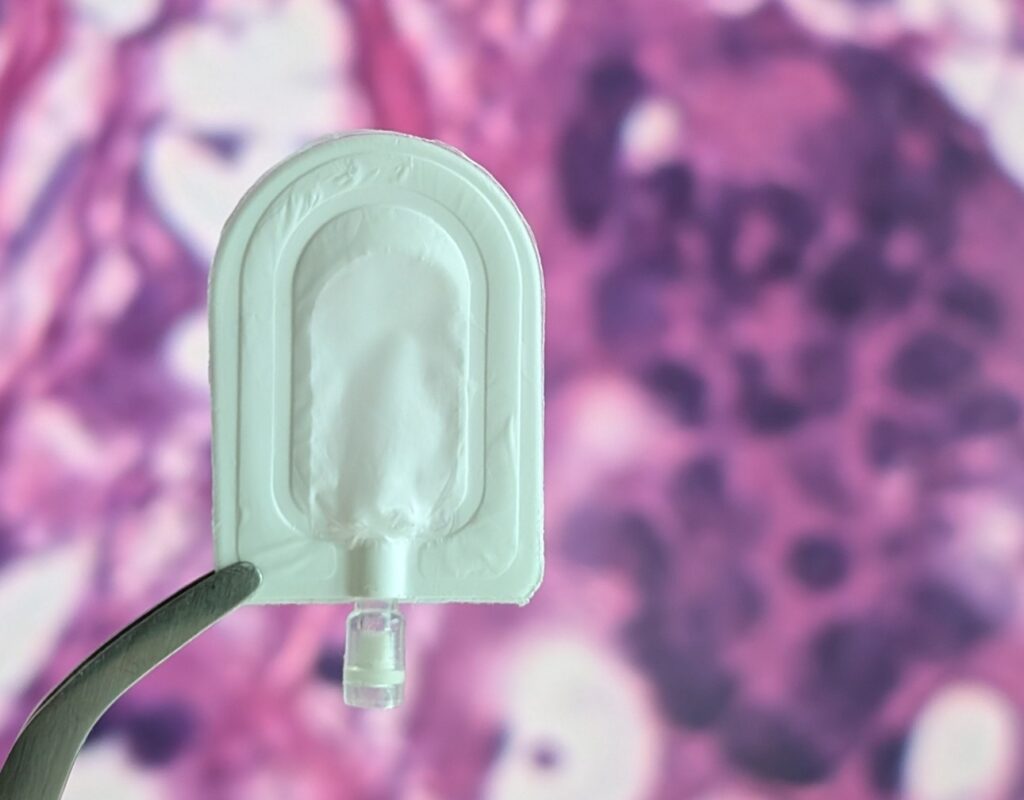
In Encellin’s trial, cadaveric human donor islets are being encapsulated in Encellin’s Encapsulated Cell Replacement Therapy (ENCRT) device and implanted into adults with T1D. This first-in-human trial is assessing (1) safety and adverse events, (2) cell survival within the device, and (3) fibrosis, or scarring, around the implants.
Interim Results:
As planned, ENCRT devices were removed from the initial five participants after 4 months of implantation. Analysis of the removed devices show:
- minimal to no fibrosis (formation of scar tissue around the device);
- robust formation of blood vessels around the device;
- viable islets inside the device.
These results indicate that the device has the potential to host islet cells while maintaining sufficient oxygen and nutrient flow for the cells to work effectively.
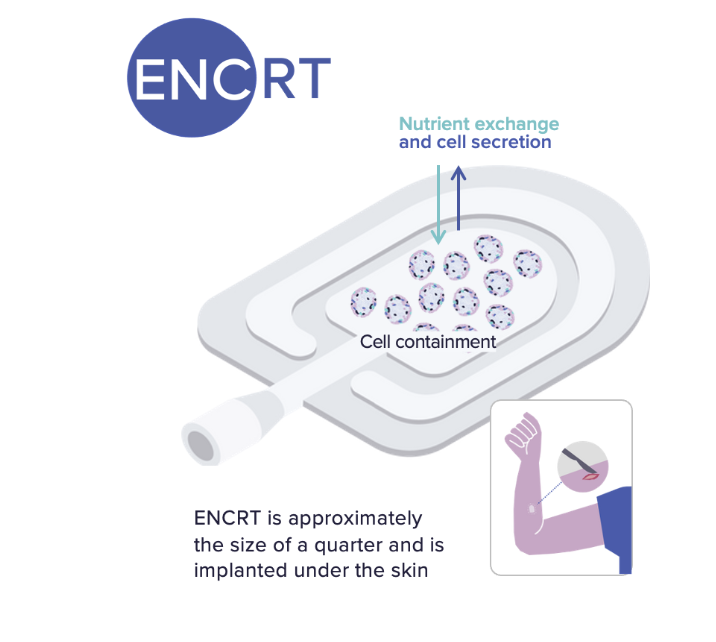
Historically, macroencapsulation devices (which act like a teabag to enclose the islet cells) have had limited success due to high levels of fibrosis that prevents cell survival, reduces the ability of the cells to access oxygen and nutrients, and limits the release of insulin. The preliminary finding that fibrosis is not occurring with Encellin’s device is therefore a critical step toward overcoming the barrier of fibrosis with islet encapsulation devices and advancing the development and delivery of cell-based therapies for people with T1D.
We will continue to report updated results as they become available.
Breakthrough T1D’s Role:
Encellin’s technology was originally developed within the Lab of Dr. Tejal Desai (University of California San Francisco) with funding from Breakthrough T1D, which was crucial in the formation of Encellin as a company and attracting subsequent venture capital.