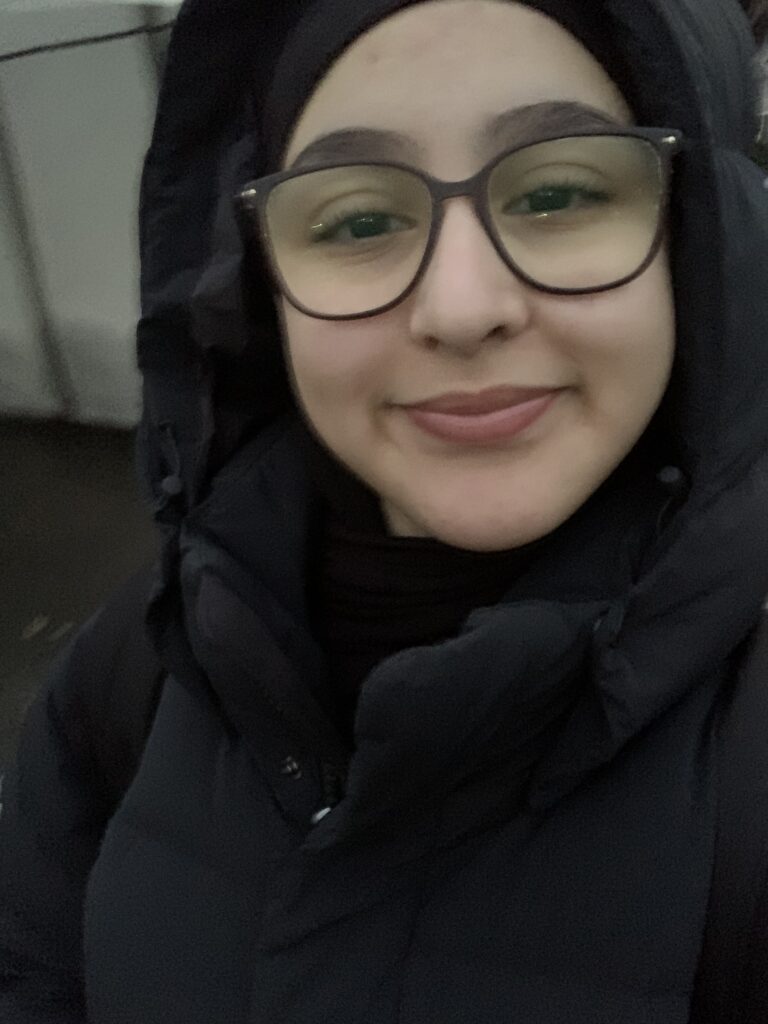
Guest post: Soundous Sellam, student living with type 1 diabetes in Montreal
Living with T1D (type 1 diabetes)
I don’t wake up at night because of school stress. I wake up because my sugar dropped, again. It’s 3 am and I have to shove food in my mouth, trying to convince my body not to give up on me. The quiet of the house makes the beeping of my glucose monitor feel deafening and strangely unreal. It’s such a weird reality.
People hear “diabetes” and picture an older person told to stop eating sugar. That’s type 2. I have type 1. I didn’t get this because of what I ate or how I lived. My own immune system destroyed the cells in my pancreas that produce insulin, leaving me to manage something my body can no longer do for me. My pancreas became a battlefield, and my immune system, once protector, turned into the invader, devouring the cells I needed to survive. It felt as if my own body had mistaken its organs for enemies. It tore through the cells that once worked tirelessly for me.
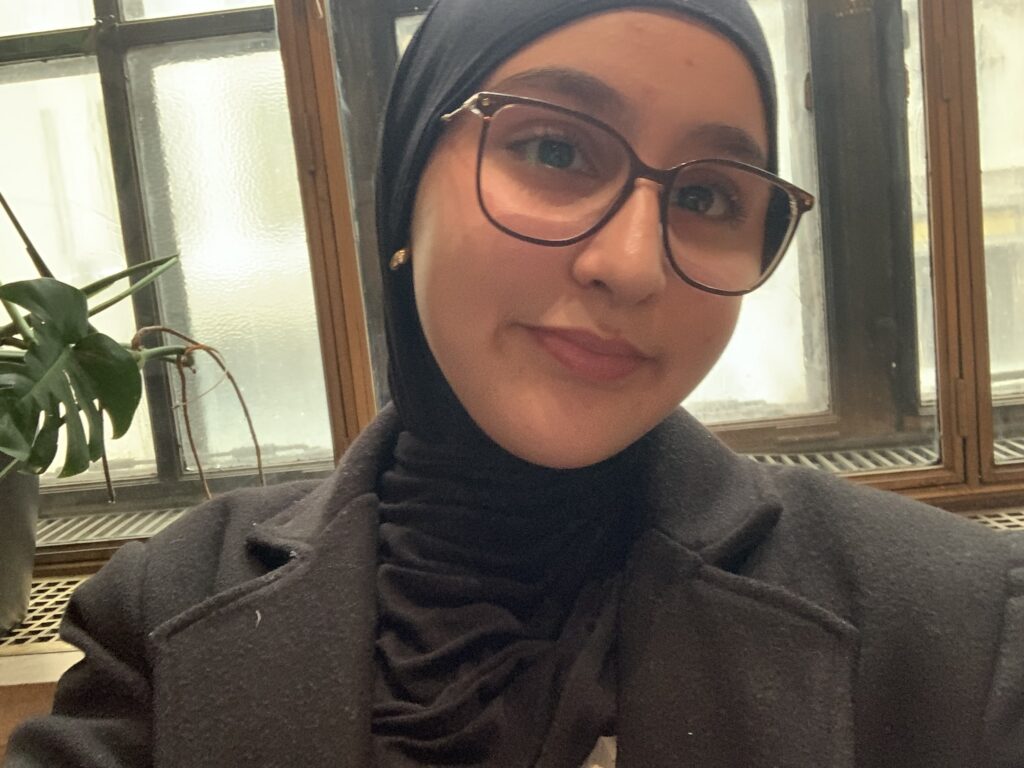
I was diagnosed in May 2022. The doctors told me my blood sugar was 26 mmol/L which is dangerously high. I was on the edge of life and death, nearly in diabetic ketoacidosis. Suddenly, I had to grow up faster than anyone else. I had to learn to inject myself, count carbs with precision, carry supplies everywhere, and cover bruises from needles and sensors. Even when I slept, even when I was sick or exhausted, the calculations never stopped. I had to care for myself constantly because if I didn’t, the consequences could be immediate or long-term, from passing out to risking damage to my heart, eyes, and kidneys.
When I was diagnosed, I didn’t want my parents to carry the weight of my illness for me. I didn’t want to wake them up in the middle of the night every time my sugar dropped or see the worry etched into their faces every time I checked my numbers. So, I stood up for myself. I learned to inject insulin, count carbs, and manage my highs and lows on my own. It wasn’t just about independence it was about protecting them from the fear that came with every spike and crash. In taking responsibility for my own care, I discovered a resilience I didn’t know I had. I don’t vent to them, I don’t stress them out with the endless calculations, the beeping monitors, the sudden lows that knock me off my feet. I keep it all to myself. It’s a quiet burden, one I carry so they don’t have to.
Sometimes it’s lonely, but in that silence, I’ve learned to listen to my body, to trust myself, and to stand on my own even when everything feels unpredictable. Managing diabetes became not just about survival, it became about proving to myself that I could handle whatever life threw at me.
It isn’t just the physical labor; it’s the mental weight. There’s a second voice in my head, always questioning, always calculating: Did I take enough insulin? Did I eat too much? Will I crash during my exam? Will someone think I’m exaggerating? It gets exhausting and it’s a daily pressure, like a hand pushing down on me, reminding me that I can never let my guard down.
Some nights, despite all my planning, my body still rebels. I wake up shaking, sweating, seeing stars, unable to even sit up. Every number feels like a puzzle, and the solution decides whether I feel okay or end up in the hospital. I learned to be responsible, to make the right decisions, and to carry the weight that those decisions can have, not just on myself, but on the people around me.
Every choice, from a small snack to a dose of insulin, is a lesson in accountability. It feels like solving equations that never end, numbers looping through my mind like an infinite maze. Diabetes taught me that my actions have consequences, and that taking ownership of them is both a challenge and a gift.
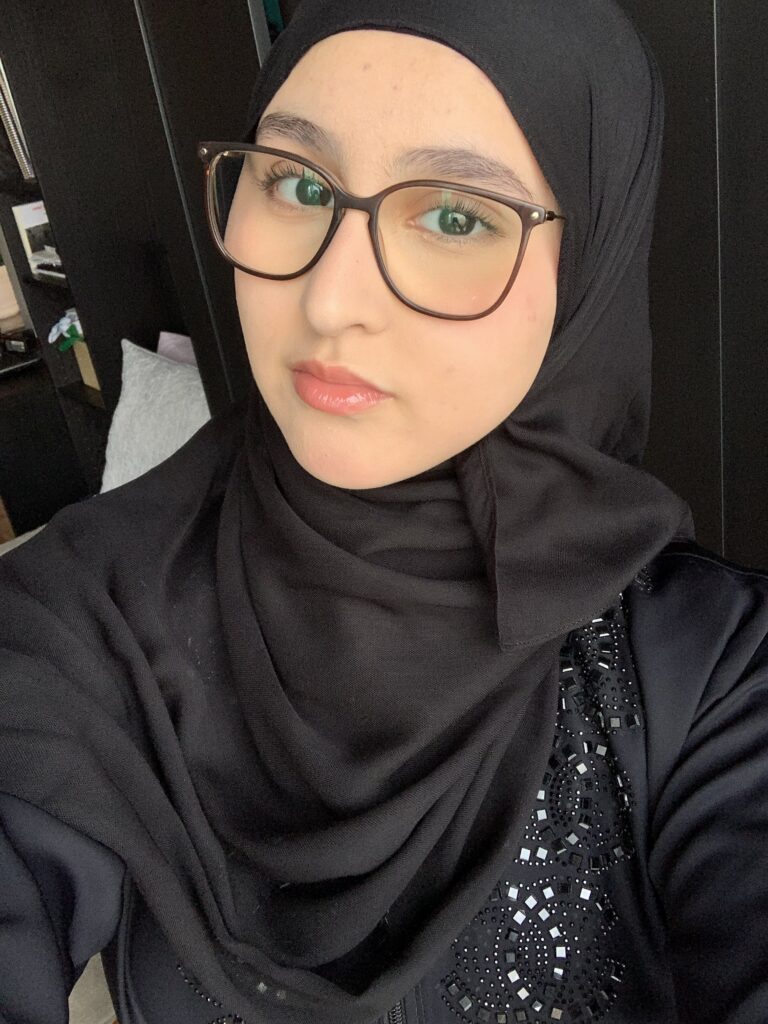
People tell me to “just accept it.” And sometimes, I have. Until I’m at the pharmacy, staring at a bag full of insulin, needles, and sensors and realize that this bag will never be empty. Not next month, not next year, not ever. I’ve accepted it… until I walk into a restaurant and see people eating without a second thought, no carb counting, no calculations, no fear. I’ve accepted it, until exhaustion and sugar swings make me snap at someone I love, and I wonder who that even was. Acceptance isn’t a box you check. It’s something you lose, and slowly find again.
Type 1 diabetes has taken a lot from me, but it has also given me more than I could have imagined. It has taught me discipline, patience, and self-awareness. It also made me more empathetic. Living with a constant, invisible shadow that walks beside men even when the sun is out, taught me that everyone is fighting their own battles, even when I can’t see them. I’ve learned to notice the small struggles, to listen, and to approach others with patience and understanding because I know what it feels like to carry a weight no one else can see.
And one day, I hope to use what I’ve learned to help others fight in the same way I’ve had to fight for myself. I want to be an anchor for others, someone they can rely on when life feels uncertain. Living with this disease has shown me the importance of steadiness, patience, and care not just for myself, but for the people around me. If I can offer support, understanding, or a calm presence to someone else, I know it can make a difference. I hope I’ll make that difference.