Breakthrough T1D Canada was proud to have representatives included in this important advocacy event.
The Breakthrough T1D Children’s Congress advocacy program organized by Breakthrough T1D International in the United States, was inspired by a boy from Massachusetts named Tommy Solo (one of the type 1 diabetes (T1D) role models at the event). At age nine, he asked his mother, “Why can’t kids go to Washington and tell their Representatives about what it is like to have type 1 diabetes and let them know that we want scientists to find a cure?” His mom and other volunteers agreed, and in 1999, the first-ever Children’s Congress took place in Washington, D.C.
Since then, 12 successful Children’s Congresses have been held, one every other year, and more than 1,000 kids with T1D have served as Delegates. Breakthrough T1D Children’s Congress has been essential to securing continued government funding of T1D research and to raise awareness of the daily burden of Americans living with this serious autoimmune disease.
The 2025 selected Delegates represented all 50 states and the District of Columbia, as well as Breakthrough T1D’s five International Affiliates (Australia, Canada, Israel, the Netherlands, and the United Kingdom).
Delegates form lifelong friendships, meet T1D role models, develop leadership skills, and leave Children’s Congress empowered to use their voices for the change that will improve their lives and the lives of all people affected by T1D.
This year, the Children’s Congress took place between July 7-9 and brought over 170 children between the ages of 4-17 to Washington DC to meet face-to-face with US lawmakers and advocate for change.
Advocacy priorities focused primarily on ensuring the renewal of the Special Diabetes Program, a critical program that provides dedicated funding for T1D research at the National Institutes of Health. First created in 1997, $3.5 billion has been provided to date and has yielded at least $50 billion in federal healthcare savings.
Breakthrough T1D Canada’s ambassador representative was Emily Gervais, a 12-year-old from Edmonton, Alberta. Since her diagnosis at age 8, Emily and her family have been active in raising funds for Breakthrough T1D Canada and T1D research, including events like basketball tournaments, raffles, sponsorship events, and fundraisers.
As an advocate, Emily also involved her whole school in raising awareness for T1D by hosting a cotton candy sale. She has also volunteered with her family at the 2024 Edmonton Breakthrough T1D Walk, along with fundraising, has spoken at the Edmonton Breakthrough T1D Ride and has participated in Kids for Cure in the Community, advocating to local leaders for increased T1D awareness and support.
Emily prepared for the Children’s Congress by creating a scrapbook to share her T1D journey including her diagnosis, the devices she uses and the people who support her, her hobbies, and what a cure would mean to her. This scrapbook was left at the Canadian Embassy for the Canadian Ambassador to review.
Emily also made sure that Canadian-specific advocacy needs were included, when at the Canadian Embassy she shared how important it was to continue funding research for the approximately 300,000 Canadians living with T1D.
The role models she met with, the relationships she made, and the skills she developed at the Children’s Congress will all stay with her as she continues to advocate for the T1D community in the future.
In her own words: “Meeting new friends, being one of the first kids to get a T1D Barbie and going to the Senate hearing was something I will never forget. One of the best parts was when an alarm (her CGM notifying her of low blood glucose) beeped and it felt normal. No stares from other kids, just people checking if it was them! I really hope the SDP (special diabetes program) is renewed so we can get more money for research and a cure one day soon!!”
Breakthrough T1D Canada staff member Joey Wong was also in attendance at the Children’s Congress, sharing that by attending Children’s Congress, he saw firsthand how valuable it was for children diagnosed at an early age to find that they belonged to a community.
Delegates saw that they were not alone and there were others their age that had similar experiences as they did living with this disease. Younger delegates felt empowered to participate in event activities, and older delegates were not shy in acting as mentors. For some, the friendships they made will be life-lasting bonds.
They also benefited from hearing from T1D Role Models with backgrounds in journalism, athletics, fashion, and entertainment, who answered questions from delegates. These are inspiring individuals who, despite living with T1D, continued pursuing their passions and excelled in their fields. The Role Models shared their own personal T1D story and how they manage and overcome the disease in their own lives.
He was moved by a T1D community united in using their voices to advocate and drive positive change. Delegates and parents alike were motivated to share their story with anyone willing to listen and learn more about T1D. They were more than happy to explain the daily challenges of the disease, dispel any misconceptions and/or biases, and bring attention to how Congress can help.
During the same week the Children’s Congress took place, new legislation was introduced with bipartisan support to reauthorize the Special Diabetes Program, which was set to expire in September.
Regardless of age, Breakthrough T1D advocates continue to impress. Some delegates have little to no experience in advocacy and are nervous because of it, but it does not show in their meetings and instead, they put on a brave face when meeting with lawmakers and their staff. During meetings, it was clear that delegates are passionate about creating awareness, articulate in voicing their opinions, and determined to make a difference.
Kids for a Cure
Breakthrough T1D Canada holds our own advocacy event like the Children’s Congress, called Kids for a Cure, where young advocates living with T1D from across Canada to meet federal lawmakers in Ottawa to raise awareness of the disease and advocate for funding research progress towards a cure.
Kids for a Cure advocates are provided training and develop leadership and communication skills all while advocating for federal support of T1D research.
Advocacy remains one of the most important areas of Breakthrough T1D Canada’s work in improving the lives of Canadians living with T1D. Breakthrough T1D advocates are crucial in raising awareness, driving progress, and advancing breakthroughs.
By amplifying the voice of the T1D community, Breakthrough T1D Canada has been successful in bringing positive policy changes in Canada including:
Kids for a Cure returns in 2026 and while it is still too early to start accepting applications, there will be plenty of opportunities for advocates.
Make your voice heard now:
Breakthrough T1D is engaging with Canada’s federal government, and you can use your voice to let your Member of Parliament know how they can support the T1D community in Canada. Advocates looking to get involved can do so by participating in our Federal Outreach Program Advocacy in Action and meeting with their Member of Parliament. Click here to sign up: BreakthroughT1D.ca/get-involved/advocate/
Breakthrough T1D Canada Board Member Matt Varey rode across Canada in support of type 1 diabetes (T1D) research
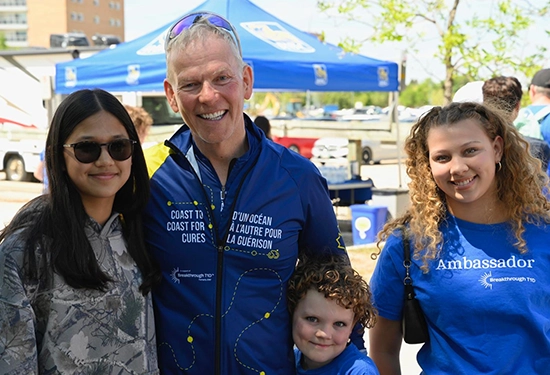
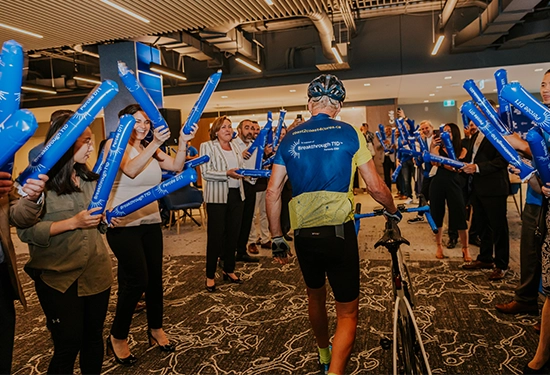
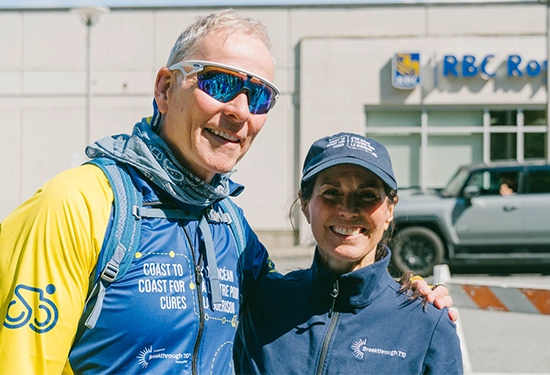
On May 3, Matt Varey, a longtime volunteer with Breakthrough T1D Canada (formerly JDRF) and current Co-Chair of the Breakthrough T1D International Board, began a 61 day, 7400km+ journey to cycle across Canada. At 61, Matt had recently retired from a long career with RBC and though he has no personal connection to type 1 diabetes, he has become a passionate advocate over the past 20 years for Canadians living with T1D. Matt’s goal was to raise $500,000 and he surpassed it, raising over $535,000 and counting.
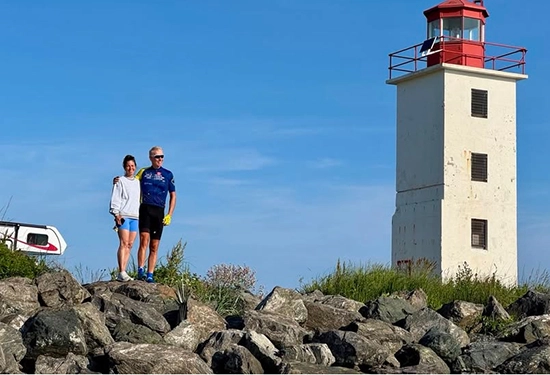
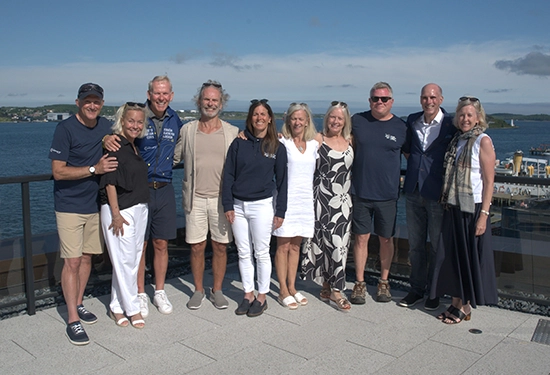
Matt’s journey saw all four seasons of weather as he crossed the country, and he endured excruciatingly long days, injury, and with no rest stops, truly tested his own mental and physical endurance on the road. Travelling with Matt was his wife, Andrea, and their dog, Handel, and they were joined by several of Matt’s lifelong best friends along the way. Matt’s friends Kirk, Stew and Steve had his back from the first day Matt and AJ decided on this journey, and they dropped everything to join him on the road; the mark of true friendship. Their team was small but what they’ve accomplished for the type 1 diabetes community has been extraordinary.
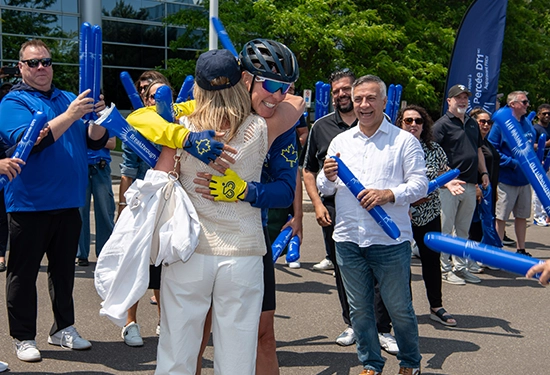
On July 2, Matt finished his ride in Halifax by dipping his tire in the Atlantic Ocean, book-ending a similar dip on May 3 in Victoria in the Pacific Ocean at the start of his journey. It was the emotional culmination of an audacious but incredibly meaningful journey.
Breakthrough T1D Canada spoke with Matt following his Ride to discuss his amazing once-in-a-lifetime personal journey and achievement in support of critical T1D research and support for the T1D community.
Breakthrough T1D Canada: How are you feeling today?
Matt: I feel tremendous. And let me tell you that the reason I’m feeling tremendous is because AJ and I were blown away by the absolute kindness, generosity, and sheer humility of society. That’s what I think about every day. The generosity we experienced everywhere we went across this country. We were both just so incredibly touched by how much people truly cared about the mission and the purpose. So, that’s how I feel.
Breakthrough T1D Canada: What surprised you the most?
Matt: Oh wow, several things surprised me, and I will share them in no particular order. Mother Nature surprised me. She thew so many different environments at us, you just had to have this ability to adapt and not get upset. I was continually surprised by how she can change the environment so quickly, and so sharply. This surprised both my wife and me.
Mother Nature can be relentless but at the same time, she can create serenity in the mornings, and at night. Really, the whole natural aspect of the journey, from the birds waking me up in the morning to the birds putting me to bed at night. The noises, the sound of the wind through the trees.
And then as I rode through tougher terrain, and through the areas heavily impacted by forest fires, it seemed to me that the trees were crying, We saw Mother Nature angry with the forest fires. You just saw the forest was sad, tired and dry. And when we saw the smoke, I thought it was Mother Nature crying. And that was unexpected but moving in its own way.
I thought I understood before, but I was in fact still surprised also by the beauty and diversity of Mother Nature, by the sheer beauty of Canada that I had not experienced until this ride. Cycling through just some of the most beautiful places on earth, Northern Lake Superior, the sheer beauty of the Saint John River Valley, the beautiful white churches in southern Quebec, your senses come alive when you’re on the bike, I didn’t have modern day distractions. So, all my senses were on high alert, I could truly smell a farmer’s field, or the scent of fresh cut grass.
And then on the other side of that – I was surprised by how noisy society is. The constant noise of being so close to cars, transport trucks, so close to you all day. You could sense they were coming closer before they did or feel the respect and distance they might give because I was on a bike. You pick up societal noises so much more.
Another thing that AJ and I were surprised and touched by was the sheer trust that human beings give you despite not knowing you. How decent is that? You get a flat tire, there’s no bike shop in a rural community, just a truck stop – and they don’t fix bike tires. Except they do! They see me, a person out on the road needing help, and they jump to give that help.
We were in Lake Louise, Alberta, it was two degrees, and I was cycling through rain and sleet, and my chain broke. And people, they just dropped everything to help. As soon as we mentioned the purposeful journey we were on, people trust you immensely, and want to be a hand on your back, they want to be someone who uplifts and supports you.
I was doing my washing in a laundromat, and a man saw my shirt and asked me what it meant, what I was doing? After telling him, he reached into this pocket to take out $50 and give it to me with the request that I do good things with it. I was so moved by the enormous trust that people give you.
The other surprise was RBC. I always knew it was a purposeful organization; I knew it had a cultural heart and soul, but this was a whole new level. My former colleagues and friends, and the grassroots support they provided, and I’m retired – I don’t work there anymore! But it was just a steamroll of giving from coast to coast.
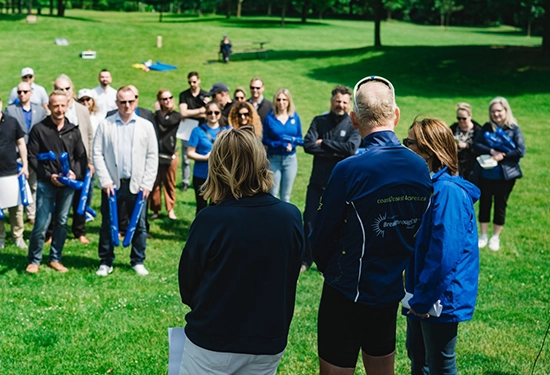
Nobody said they were too busy for the activation events (pitstops) they came out on in the middle of the day; they came out on weekends. They gave their time and energy in support of this purposeful journey, and that helped drive me. RBC proved to be a deeply human organization, all these folks had a choice, to go about their life, go about their job – they interrupted both to come out and show support.
And of course, we were surprised by the sheer emotions, and how much it impacted us both. Not everyone knows the details of that.
The Breakthrough T1D ambassadors, each one imprinted on me in a different way. AJ and I, we know that if you had T1D, you don’t have a choice but to be courageous. You must be every day. But what surprised us was their quiet determination, their poise, and how they move forward with positivity. How they truly believe that tomorrow is going to be better than today. It took our understanding about living with T1D and what that entails to a whole new level. And that too helped drive both of us every day.
Breakthrough T1D Canada: What did you learn on your journey?
Matt: You learn a tremendous amount about your body, both physically and mentally. It tells you physically, when you can power through, that you have more fuel in your tank. You know before you even get on the road when you are going to have a tough day. Your body gets mad at you. It doesn’t want to do the same thing for 60 straight days. It surprised me that my body gave me two million pedal strokes, but it got mad at me at the same time. It most definitely was angry at me more than once. But I did learn this – you always have more fuel in your tank than you think.
I learned that I needed to just really focus on the positives. When I was so tired and didn’t want to go another kilometre. I would look down at my arm and at the Breakthrough T1D tattoo I got before starting this journey, and I would think to myself ‘I don’t want to do this, but yes I can’. My mind and body taught me so much for so many varied reasons.
Breakthrough T1D Canada: How do you feel about your connection to the T1D community now?
The first word that intuitively comes to mind is that they are even more courageous than I realized over my two decades with this organization. The organizational heart of Breakthrough T1D, I always say that a mind can be convinced, but a heart needs to be won. And when you have both, like Breakthrough T1D does – you can do anything. It became even more apparent what a people-led and purposeful organization this is. And then getting to meet Ambassadors, parents of children with T1D, or even people my age who have been living with this disease for decades. It gave me confidence, and it gave me hope.
Listening to Jessica Diniz (President and CEO of Breakthrough T1D Canada), Aaron Kowalski (President and CEO of Breakthrough T1D International) or board members – it just reinforced for both me and AJ that Breakthrough T1D is a family. It’s not simply an organization, it’s a family and everyone is connected because they are traveling on the same journey. Despite the difficulties of my specific journey, they came together with these family-like bonds. There are very few true bonds left in business. And Breakthrough T1D is a family from coast to coast at every level.
And we want to recognize as well the tremendous support of Katie, Lynne, Dennis and everyone at Breakthrough T1D Canada who worked tirelessly on this journey too. We have never known such a culture of support as the one at Breakthrough T1D.
Breakthrough T1D Canada: Any final thoughts?
Matt: My wife AJ is the most remarkable person that I have ever known. And what she did – for this journey, for me, was the most selfless act that I have ever known or seen or will ever experience. Without her, there was absolutely not a hope that I – but I mean we – could have done this journey. I love her dearly, but this took it to a whole new level.
Out of everything, I will remember what she did more than anything else. Life is about memories, and what I’m going to be left with are memories for life that I will never forget, and that have changed me.
This journey changed me. It made me look at things even more positively. We live in such a remarkable country, which is so kind and so beautiful in its soul. I could only experience that beauty by seeing it replicated over and over – in small towns, in big cities, in bike shops, pastry shops, restaurants, anywhere we went. The circulatory system of this country just pumps decency everywhere. I feel blessed to have experienced it and my gratitude can’t be properly expressed.
It’s also amazing how you can connect with society through social media. I had never used it before this event. But throughout my ride, I would read the comments on LinkedIn, especially when I was tired and didn’t want to get up, didn’t want to get back on my bike. But the humans on the other end would help keep me going. I never knew I could feel humanity that way through a computer. So, thank you to everyone who left me a note and helped fuel my commitment to this purposeful journey. You did more for me than you will ever realize.
I’m also so appreciative that Breakthrough T1D gave me and AJ the opportunity to do this, and I feel incredibly blessed and just so grateful to everyone at this organization, to the people I met out on the road, to the volunteers, to the ambassadors and to everyone who supported us along the way. Thank you. From the bottom of my heart – thank you.
***
Breakthrough T1D once again extends its enormous gratitude to Matt and AJ, to the volunteers, staff and everyone at RBC who contributed to the incredible success of Coast to Coast for Cures.
The American Diabetes Association’s 85th Scientific Sessions were held from June 21- 24th, 2025. The research presented at ADA covers all areas of type 1 diabetes (T1D) developments, including devices, adjunct therapies and the latest in cell therapies.
Updates in cell therapies research
Dr. Andrew Pepper (Edmonton) presented on vascularization strategies to increase the survival and functionality of transplanted islets. The implantation of a biomaterial under the skin will trigger the immune system and initiate a foreign body reaction, which results in the formation of blood vessels and structural components around the foreign object. Removal of the object leaves a hollow pre-vascularized core suitable for islet transplantation. This process can be optimized by using a biodegradable material, so no removal is required, and by the addition of “accessory cells” such as stem cells that are programmed to form blood vessels to help maintain a vascularized environment for islets.
Most Pressing Challenge in Cell Therapy: When the panel of experts was asked about the biggest hurdle to bring cell therapies to people, the answer was unanimous – removing immunosuppressants while maintaining efficacy and safety.
This is a primary area of focus for Breakthrough T1D and the aim of many ongoing projects by Canadian researchers with Breakthrough T1D funding. One example is work led by Dr. Andras Nagy (Toronto) and Dr. Tim Kieffer (Vancouver) presented at ADA:
Dr. Nagy’s lab has identified eight immunomodulatory genes that, when modified, can cause transplanted cells to be ‘cloaked’ and evade immune rejection. The work presented at ADA demonstrates that Dr. Kieffer’s lab successfully incorporated these gene edits into human islets derived from human embryotic stem cells. When the cells were put into a petri dish with other immune cells, they survived the immune response that kills un-modified islets. This approach needs to be tested in an animal model before moving to human trials.
Updates on Vertex’s stem cell therapy, Zimislecel (VX-880)
Dr. Michael Rickels (Pennsylvania) presented on Zimislecel (VX-880) – a stem cell-derived islet therapy that requires immunosuppression, which is infused into a vein in the liver in people with T1D who have impaired hypoglycemic awareness and severe hypoglycemic events.
The phase 1/2 clinical trial, which is part of the ongoing pivotal phase 1/2/3 FORWARD-101 trial, is complete. Twelve participants received a single infusion of a full dose of cells and were followed for at least one year.
All 12 participants achieved the primary endpoint, which was elimination of severe hypoglycemic events and HbA1c levels less than 7%. 10/12 (83%) participants are insulin independent.
All 12 participants demonstrated sustained insulin production as measured by C-peptide, reduced external insulin therapy use, and achieved greater than 70% time in range. Mild to moderate adverse events were consistent with the immunosuppression regimen, infusion procedure, and complications from T1D.
These data were published in the New England Journal of Medicine and represent further evidence of the curative potential of manufactured islet transplantation for T1D. Breakthrough T1D’s support for Doug Melton, Ph.D.—whose proprietary lab-created islets are now being advanced by Vertex—goes back decades, both via research grants and an investment from the T1D Fund: A Breakthrough T1D Venture.
6-month update on Sana Biotechnology’s immune-evasive islets
Dr. Per-Ola Carlsson (Sweden) presented data from Sana’s donor-derived islet therapy engineered with hypoimmune (HIP) technology showing that the cells can evade the immune system without immunosuppression. These cells were implanted intramuscularly in a first-in-human study into a person with T1D with no measurable insulin production.
Six months post-transplant, this person is consistently making their own insulin, as measured by C-peptide levels. A Mixed Meal Tolerance Test (MMTT) confirmed that these cells are not only surviving but also responding to changes in blood glucose levels. The person still requires external insulin therapy because they received a smaller dose of cells than the dose that would be required to achieve insulin independence. They did not experience any serious side effects, so the cells and procedure appear to be safe and well-tolerated.
This is a promising first step toward a functional cure for T1D that does not require immunosuppression. Sana Biotechnology is planning on applying this technology to manufactured islets. Sana has received support from the T1D Fund to advance their HIP technology in islets, and Breakthrough T1D continues to work closely with them.
Cell therapies are making significant headway in clinical trials, and some people receiving stem cell-derived islets become insulin independent. Researchers are tackling the biggest challenges for optimizing islet transplantation, including large-scale manufacturing, ensuring cell survival, and preventing detection by the immune system.
Updates on disease-modifying therapies
Dr. Heather Denroche (Integrated Nanotherapeutics) presented work on their lipid nanoparticle approach that can deliver antigen-specific immune therapy for T1D. This is done with a combination “vaccine-like” product that uses their proprietary multi-cargo lipid nanoparticles platform to co-deliver mRNA expressing certain islet-proteins (to enable antigen-specificity) and small molecule immunomodulators (to switch off the harmful autoimmune attack on islets). They have demonstrated that this therapy prevents and reverses diabetes in mice, which warrants further preclinical development as a promising treatment for T1D.
Laura Sanz Villanueva (Australia), who works in the lab of Breakthrough T1D-funded researcher Dr. Thomas Kay presented on a mechanistic follow-up study to the BANDIT clinical trial. The Breakthrough T1D-funded phase 2 BANDIT study in Australia showed that baricitinib, a JAK1/2 inhibitor that prevents immune cell communication, can increase insulin production as measured by C-peptide in people with recently diagnosed T1D. The present study found that baricitinib can reduce the number of natural killer (NK) cells in the pancreas, which are involved in the autoimmune destruction of beta cells. This data provides valuable insight into the mechanism of baricitinib-mediated protection of beta cells.
Key takeaways
Research that tackles a variety of approaches to disease-modifying therapies is showing true promise and potential to offer medications that will make T1D management easier and safer.
Updates on improving lives research
Adjunct-to-Insulin Therapies
There was significant focus on GLP-1 receptor agonists (GLP-1RAs) and SGLT inhibitors (SGLTi) in reducing long-term complications and improving glycemic control in people with T1D.
GLP-1 receptor agonists
Glucagon-like peptide 1 receptor agonists mimic the hormone GLP-1, which elevates insulin and regulates appetite. Examples include Ozempic® (semaglutide) and Mounjaro® (tirzepatide), which acts on both GLP-1 and a similar target, GIP.
SGLT inhibitors
Sodium-glucose cotransporter inhibitors target kidney cells to prevent them from reabsorbing glucose into the blood so it gets excreted as waste. Examples include Farxiga® (dapagliflozin) and Zynquista® (sotagliflozin).
Dr. David Cherney (Toronto) presented a review of SGLTi and GLP-1RAs in reducing chronic kidney disease (CKD) in T1D:
In the EMPA-KIDNEY trial, empagliflozin (SGLTi) improved kidney health in people with T1D.
In the ATTEMPT trial funded by Breakthrough T1D Canada and CIHR, dapagliflozin (SGLTi) improved time in range (TIR), reduced HbA1c levels, and had positive effects on kidneys in youth with T1D.
The Breakthrough T1D-funded enrolling phase 3 SUGARNSALT trial is testing whether sotagliflozin (SGLTi) can prevent progression of moderate to severe kidney disease in people with T1D, and it includes careful diabetic ketoacidosis (DKA) risk mitigation strategies.
The Breakthrough T1D-funded phase 2 REMODEL-T1D trial is testing if semaglutide (GLP-1RA) can improve kidney health in people with T1D.
Key takeaways
Breakthrough T1D is working toward a future where these drugs are an option for people with T1D to better manage their blood glucose levels and reduce the potential of long-term complications.
Canadian data was presented from the Breakthrough T1D-funded BETTER Registry which showed that of nearly 1,400 adults with T1D, approximately 14% (n=192) were using an adjunctive therapy. Amongst this group, the most common was Metformin (39% of the 192 adjunct therapy users), followed by GLP-1RAs (27%), SGLTi (21%), and a combination of these (13%).
While these therapies are not approved for use in adults with T1D in Canada, the Diabetes Canada Clinical Practice Guidelines were updated at the beginning of 2025 and are in the first in the world to recommend considering the (off-label) use of adjunct therapies for selected adults with T1D to help them meet their treatment goals.
Updates on diabetes device research
Dr. Alanna Weisman (Toronto) presented a review of barriers and enablers to diabetes technology in people with T1D. Across over 200 studies, the most common barriers included: racial or ethnic minority status, insurance concerns (e.g., coverage), and clinic- and provider-related factors (e.g., gatekeeping of information and/or prescriptions). The most common enablers included: patient education, patient support, and provider education. Dr. Weisman’s Breakthrough T1D-funded work is looking at barriers to technology use in socially disadvantaged Canadians.
Teams led by Dr. Anne-Sophie Brazeau and Dr. Rémi Rabasa-Lhoret (Montreal), who oversee the BETTER Registry, presented the following data from the Canadian registry on device use:
A comparison of technology use in adults over the age of 50 years of age from the BETTER Registry data (n=674), showed similar rates of insulin pump use in adults with T1D in their 50s (39%) and 60s (38%), but this was slightly lower for adults above the age of 70 (35%). More pronounced was the difference in rates of CGM use in adults in their 50s and 60s (85% for both groups) compared to the much lower rate in adults above the age of 70 (73%).
The BETTER Registry also has a significant wealth of patient-reported outcome measures that inform us of factors such as fear of hypoglycemia. In a sample of 115 adults with T1D, the introduction of automated insulin delivery (AID) reduced the number of hypoglycemia instances reported monthly, the number of nighttime symptomatic hypos, and perhaps most importantly, the average fear of hypoglycemia based on validated survey measurements. These findings support the potential of AID to reduce the burden of hypoglycemia in adults living with T1D.
Key takeaways
Breakthrough T1D-funded research into device access and development of next gen diabetes devices will enable improved daily management and reduce some of the mental and emotional burden of living with T1D.
Guest post: Mark E. Paull, CME, Substack: adhd-t1dm.substack.com, Published Writer | Lived-Experience Advocate | Type 1 diabetes since 1967 |
This is my experience. It may apply to others—perhaps we all share certain aspects of it—or it may not. The connections between ADHD, cognition, and perception need more research. What follows is not a claim, just the reality as I live it.
The Relentless Dance
When I was eleven, a doctor looked me in the eye and said:
“You won’t live past thirty-five.”
He didn’t say it cruelly. It wasn’t meant to be a punishment or a scare tactic. It was clinical, matter-of-fact, as if he were giving me a weather forecast. I remember the sterile smell of his office, the crisp white of his coat, the way my mother gripped my hand just a little tighter.
Type 1 diabetes took over my life—numbers, syringes, and survival became my world. The carefree days of schoolyard games and comic books faded into one relentless focus: control.
But no one saw the real threat: ADHD.
I just didn’t know it yet.
At eleven, I was impulsive, forgetful—constantly losing things, losing track of conversations. My mind bounced from thought to thought, never settling. No one thought much of it. I was the ‘daydreamer,’ the ‘bright but careless’ kid—energetic and scattered. No one thought much of it.
But diabetes doesn’t care if you forget, if you get distracted, or if your brain works differently.
ADHD thrives on chaos, distraction, and forgetting things that could kill you. But diabetes? It demands precision, structure, and unwavering consistency.
And so, my life became a war between two disorders that should never have existed in the same body.
The first time I forgot to take my insulin I was at school.
It was lunchtime. My tray had exactly 60 grams of carbohydrates—a number drilled into my brain through endless diabetes training. Math was now a part of eating. I knew the steps: Take the insulin shot first, then eat. Simple.
Except, before I could inject, someone at the next table cracked a joke.
I turned to laugh.
And in that instant, my attention jumped tracks.
By the time I remembered my insulin, my blood sugar was already climbing. My head felt heavy, my body sluggish, my thoughts wrapped in cotton. I stumbled through the rest of the day, my hands shaky, my brain slow, the numbers on my meter confirming what I already knew—I had lost control. Again.
But the worst moments weren’t when I forgot my insulin.
They were when I wasn’t sure if I had taken it already.
At night, I’d lie in bed, staring at the ceiling.
Did I take my long-acting insulin? Or did I just think about taking it?
If I took it twice, I could die in my sleep.
If I didn’t take it at all, I could wake up in a coma.
I’d get out of bed, check my blood sugar, and stare at the number on the meter—except that wasn’t an answer. It was a riddle. My ADHD brain had no reliable memory for something so repetitive. If I had taken my insulin fifteen minutes ago, would my blood sugar even reflect it yet?
I couldn’t trust my brain. I couldn’t trust my body. And I was completely alone in figuring out how to navigate a world where I was both my own lifeline and my own worst enemy.
Everyone thought diabetes would be my biggest challenge. But the real fight? My mind.
Managing diabetes means following the same steps every day, without fail:
Check blood sugar before eating.
Calculate insulin dose with perfect accuracy.
Eat at the right times—not too early, not too late.
Carry emergency sugar at all times.
Double-check. Triple-check. Never miss a step.
No room for error. But ADHD turns routines into chaos.
I created systems—alarms, notes, even tying my insulin pen to my lunchbox—all to help me remember.
But ADHD has its own logic.
I’d hear the alarm and immediately forget why I set it.
I’d see a note and think, I’ll do that in a minute, and then never do it.
I lost count of how many times I ignored the insulin pen, too distracted by whatever was happening in my head.
Some days, I was hyper-focused on managing my blood sugar like a scientist, tracking every fluctuation, analyzing trends, predicting outcomes. I was in control.
Other days, I’d get so absorbed in writing, reading, or just daydreaming that I wouldn’t eat until I was shaking and drenched in sweat. I was out of control.
There was no in-between.
And the worst part? My brain played tricks on me.
On a school field trip, I packed my insulin in a zippered pouch, zipped it into my backpack, and congratulated myself.
Halfway through the trip, I realized I had no memory of actually taking the shot.
I froze on the bus, trying to replay the morning in my mind.
Had I unzipped the pouch?
Had I pulled out the pen?
Had I done the injection?
My brain said I had. My gut said I hadn’t. I had to guess.
That was ADHD and diabetes in a nutshell. A daily roulette of whether my own memory could be trusted.
And the world—my doctors, my teachers, even my parents—didn’t understand.
They saw a kid who “just needed to be more responsible.”
I saw a kid fighting a battle that no one had prepared him for.
No one warned me that ADHD and diabetes played by opposite rules.
No one had told me I would have to figure this out alone.
The Systems That Failed Me
Diabetes is a disease of routines. ADHD is a disorder of breaking them.
That’s the contradiction I lived with every single day.
Diabetes means doing the same steps, in the same order, every single time:
Check blood sugar.
Calculate insulin dose.
Inject insulin.
Eat at the right time.
Adjust for exercise, stress, or anything unpredictable.
Carry emergency sugar.
If you mess up, you don’t just feel off—you crash. Your blood sugar spikes too high or drops too low, and both can kill you.
ADHD means you can know all of this and still forget in the moment. It means routines don’t feel natural. It means every time you try to build a habit, it crumbles under the weight of distraction, impulsivity, forgetfulness, or just your own unpredictable brain.
So I tried to outsmart myself.
I followed all the advice, experimented, and adjusted. Nothing worked.
The Alarm System That Never Worked
Doctors said: ‘Set alarms.’ So, I did—alarms for insulin, meals, blood sugar checks. They didn’t work.
ADHD made my brain filter alarms as background noise. I would hear it, register that it was important, and then—just as quickly—forget about it. Or worse, I would turn it off thinking, I’ll do it in a second, and then never do it.
Sometimes, I would snooze the alarm so many times that by the time I actually paid attention, it was hours too late to take my insulin.
Other times, I would check my blood sugar, see a number in range, and think, I must have already done it. But had I? I had no way of knowing. One of the worst times was during an exam in high school. I had set a quiet vibration alarm on my watch to remind me to take my insulin at lunchtime.
But I was so deep in concentration that I just ignored it.
Two hours late. Blood sugar climbing. My brain drowning in syrup. The test became a blur.
My body was sluggish, my mind dull, my focus shot.
I stumbled through the rest of the test, barely able to think straight.
That was the moment I realized: even alarms don’t work if your brain doesn’t register them as urgent.
The Notebook That Disappeared
Since alarms didn’t work, I switched to writing things down. A doctor suggested a logbook, so I bought one that made me feel responsible.
Every entry was supposed to be neatly recorded—time, dose, blood sugar, carbs eaten.
It was a foolproof system.
Except ADHD means nothing stays where you put it.
I lost that notebook within the week. The next one disappeared too.
Eventually, my room became a graveyard of half-filled diabetes logs, scattered across drawers and bookshelves, each one abandoned because I had forgotten where I left it.
One time, I found an old logbook and thought, Great, I’ll start using this one again!
Only to realize all the entries were from two months earlier.
The worst part? Even when I did manage to write things down, I’d forget to check what I had written.
I had all the information—I just never looked at it.
The Trick That Didn’t Work
Next strategy: leaving things in obvious places.
I put my insulin pen next to my toothbrush so I’d see it every morning.
I left glucose tablets by my bed for nighttime lows.
I even put sticky notes on my laptop saying, CHECK BLOOD SUGAR NOW.
But ADHD doesn’t work like that.
I saw those things so often that my brain stopped noticing them.
The sticky notes became part of the scenery.
The insulin pen next to my toothbrush? I brushed my teeth, stepped over it, and walked away.
The glucose tablets? Completely ignored until I needed them in a panic.
Nothing worked. No matter how hard I tried, no matter how many systems I built, my brain refused to cooperate.
The System That Finally Helped (Sort of)
“It took years, but I realized I had to work with my brain, not against it.”
Instead of trying to force myself into a rigid structure, I worked with my brain’s natural tendencies.
Blood sugar checks happened when I took off my shoes.
Habit stacking – I tied diabetes tasks to things I already did without thinking.
Morning insulin was paired with coffee.
Timers, not alarms – Instead of setting a one-time alarm, I used countdown timers.
“Take insulin in 10 minutes” became a more immediate task than a random beep.
Tech helped – When continuous glucose monitors (CGMs) became available, they changed everything.
Now, my phone told me when I was high or low, rather than relying on me to remember.
It wasn’t perfect, but it was better than anything else I had tried.
Still, the frustration remained:
Why did I have to work twice as hard just to stay alive?
Every missed dose, every forgotten blood sugar check, every time I had to scramble to correct a mistake—it wasn’t carelessness.
It wasn’t irresponsibility.
It was ADHD.
And no one had ever told me how much harder that would make managing diabetes.
For years, I thought ADHD only made my diabetes worse. That it was just another obstacle, another failure waiting to happen. But I was wrong.
ADHD and Hyperfocus: The Unexpected Lifesaver
For years, I thought ADHD made me bad at diabetes. I was wrong. It made me survive it.
The same brain that forgot insulin could also hyperfocus on it.
On good days, I tracked my blood sugar with an obsessive precision that rivaled medical professionals. I could see patterns before my doctor did.
I would run my own experiments—how different foods affected my glucose, how stress changed my numbers, how exercise played into everything. When my brain locked in, I became my own best endocrinologist.
One time, my doctor raised an eyebrow at my self-made spreadsheet, color-coded and filled with notes about insulin absorption times.
“You track this better than half my patients,” he said.
I smirked. Of course I did. It was an ADHD deep-dive.
Pattern Recognition and Instincts
I began to trust something most people didn’t even think about—my gut.
ADHD made me notice tiny details, subtle shifts. I could feel a low blood sugar coming before the numbers confirmed it. I sensed when something was “off” before I could logically explain why.
It wasn’t magic—it was pattern recognition, honed from years of analyzing every mistake, every reaction, every small variable.
Doctors told me, “You can’t feel a blood sugar drop before your CGM does.”
But I could. And I did. Repeatedly.
Crisis Mode: When ADHD Became a Superpower
ADHD brains are wired for high-pressure situations. When everything was going wrong, when my blood sugar was crashing, when I had seconds to act, my brain flipped into hyperfocus survival mode.
There was no hesitation. No distraction. Just clear, sharp action.
One night, I double-dosed insulin—again. I felt the symptoms creeping in fast. My heart was racing. My hands were shaking. The room tilted. I knew what was coming.
But instead of panicking, my brain locked in.
I lined up exactly what I needed: juice, glucose tablets, honey. I ran calculations in my head. I spaced out my carb intake strategically. I set timers to check my glucose every five minutes. I executed it like a pilot handling an emergency landing.
An hour later, I was stable.
This wasn’t luck. It was ADHD’s ability to hyperfocus under stress, to rapidly problem-solve, to process chaos in real time.
This happened again when I was traveling. I was in a new city, out of my usual routine, and my blood sugar started dropping rapidly. I had no glucose on me.
But instead of panicking, my brain did what it always does in a crisis—it calculated.
I spotted a small café down the street and sprinted in, gasping out, “Juice—fast.” The cashier blinked at me, confused. I didn’t have time to explain. I grabbed the nearest bottle of orange juice and chugged it at the counter, shaking hands gripping the plastic like a lifeline.
That’s what ADHD does.
It makes normal life hard—but when things go wrong? I thrive.
Reframing ADHD: A Strength, not a Weakness
For so long, ADHD felt like an enemy. It made diabetes harder. It made me fail. It made me feel reckless and irresponsible.
But then I saw the full picture: ADHD didn’t just create problems—it helped me solve them.
It made me notice details others missed.
It made me experiment and adapt faster than most people.
It let me hyperfocus on solutions when I needed them most.
It forced me to find creative workarounds when standard systems failed.
I was never going to be the patient who followed perfect routines. My brain wasn’t built for that. But I could be the patient who out-thought diabetes.
Who adapted faster.
Who found new ways to manage when the textbook ones didn’t work.
I stopped trying to fight my brain and started working with it.
That shift changed everything.
One of the biggest lessons I learned was that success didn’t have to look like “normal” success.”
For me, a “perfect” diabetes day wasn’t about hitting every number exactly right—it was about catching mistakes before they spiraled out of control.
It was about realizing my brain wasn’t broken—it was different.
Instead of beating myself up for not being consistent, I leaned into my strengths:
I used hyperfocus to analyze patterns and spot mistakes.
I stopped fighting alarms and started linking insulin to physical habits I already had.
I trusted my instincts when my body told me something was wrong.
For years, I thought I was just bad at diabetes.
That I was irresponsible, careless, lazy.
I wasn’t.
I was managing two conditions that fundamentally clashed with each other.
And I was doing it without any guidance, without understanding why my brain worked the way it did.
The First Time I Gave myself Grace
I remember the exact moment I stopped being angry at myself.
It was late at night.
My blood sugar was dropping, and I was sitting on my bed, glucose tabs in one hand, phone in the other, staring at an article about ADHD and diabetes.
It described everything I had been through—forgetting insulin, missing doses, panicking over double-dosing, the exhaustion of trying to be “good” at diabetes but never quite getting there.
I’d been told I was bad at diabetes. For so long, I believed it.
Now I see—it was never a fair fight.
And I had never been failing.
I felt like I was reading my own life story.
For the first time, I didn’t feel like a failure.
I felt seen.
I was never alone.
It was my brain.
And my brain wasn’t broken.
It was just different.
What I Wish Someone Had Told Me Sooner
If I could go back and talk to my eleven-year-old self sitting in that doctor’s office, I would tell him this:
“Dear 11-year-old me: You are not failing. The world just doesn’t understand how your brain works—yet. You are not lazy. Your brain works differently, and that’s okay. Diabetes will be harder for you than it is for some people, but that doesn’t mean you’re failing. You will find ways to adapt. They won’t always be conventional, but they will work for you. You will mess up. It’s not your fault. It’s part of learning how to manage two conditions that weren’t designed to play nicely together. You will survive this.”
No one told me those things when I was younger.
So I’m telling them to myself now.
What Success Looks Like for Me Now
For years, I measured success by how well I could imitate neurotypical diabetes management.
Now, I measure success differently:
1. Did I catch a mistake before it became dangerous? That’s a win.
2. Did I problem-solve creatively when my brain wouldn’t cooperate? That’s a win.
3. Did I show myself patience instead of self-hatred? That’s a win.
Success isn’t perfection. It’s about figuring out how to live.
Speaking to Others Like Me
I know I’m not alone in this.
There are others out there—kids, teens, adults—trying to manage diabetes with a brain that doesn’t follow the rules.
To them, I say this:
Your ADHD isn’t a curse. It isn’t a weakness. It’s a challenge, yes, but it’s also a tool.
You can survive this. You can thrive. You can find ways to make it work.
For years, I thought I was fighting myself.
Now, I see I was fighting a battle I was never meant to fight alone.
ADHD and diabetes together are hard.
But I am not failing.
I was never failing.
I was surviving.
The doctor was wrong. He didn’t know my fight. I didn’t just survive—I thrived. And that? That’s everything.


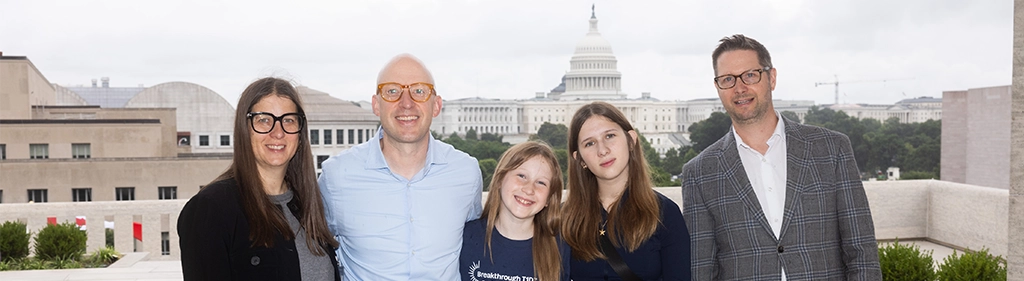
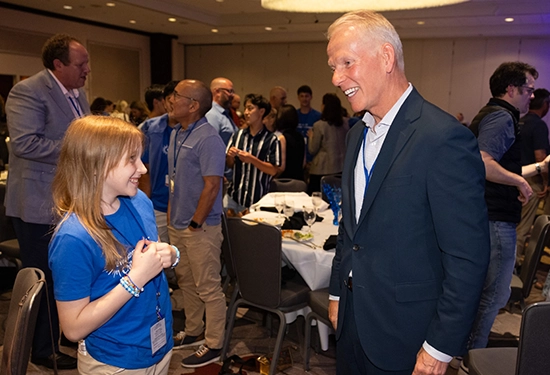 The role models she met with, the relationships she made, and the skills she developed at the Children’s Congress will all stay with her as she continues to advocate for the T1D community in the future.
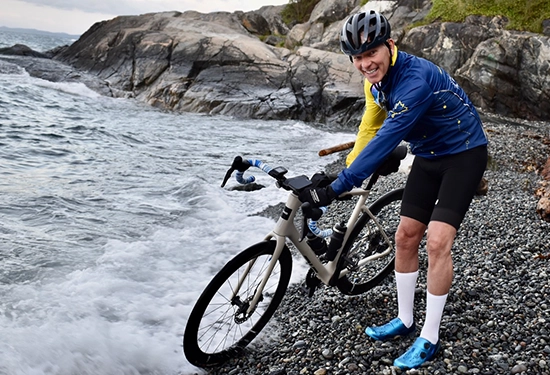 On May 3, Matt Varey, a longtime volunteer with Breakthrough T1D Canada (formerly JDRF) and current Co-Chair of the Breakthrough T1D International Board, began a 61 day, 7400km+ journey to cycle across Canada. At 61, Matt had recently retired from a long career with RBC and though he has no personal connection to type 1 diabetes, he has become a passionate advocate over the past 20 years for Canadians living with T1D. Matt’s goal was to raise $500,000 and he surpassed it, raising over $535,000 and counting.
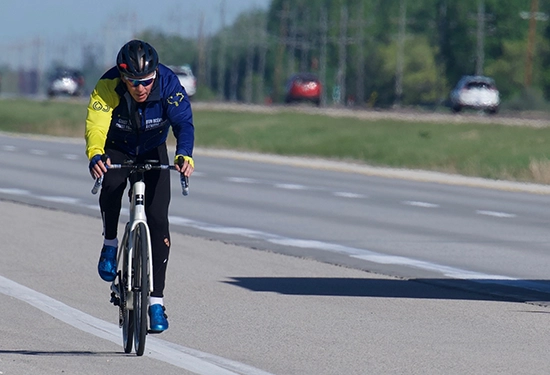 And then on the other side of that – I was surprised by how noisy society is. The constant noise of being so close to cars, transport trucks, so close to you all day. You could sense they were coming closer before they did or feel the respect and distance they might give because I was on a bike. You pick up societal noises so much more.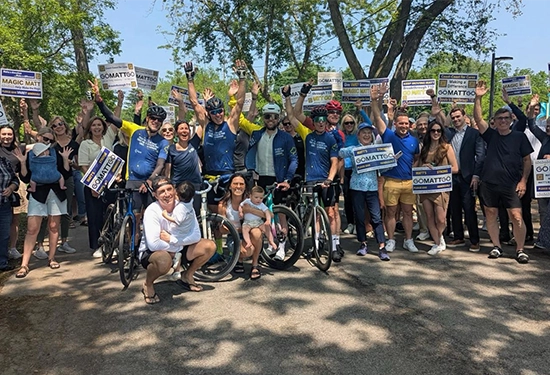
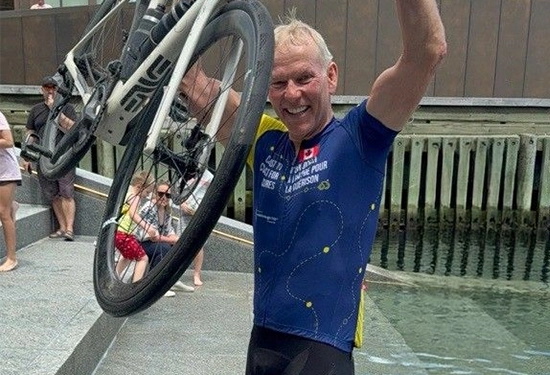 This journey changed me. It made me look at things even more positively. We live in such a remarkable country, which is so kind and so beautiful in its soul. I could only experience that beauty by seeing it replicated over and over – in small towns, in big cities, in bike shops, pastry shops, restaurants, anywhere we went. The circulatory system of this country just pumps decency everywhere. I feel blessed to have experienced it and my gratitude can’t be properly expressed.

 Doctors said: ‘Set alarms.’ So, I did—alarms for insulin, meals, blood sugar checks. They didn’t work.
 For so long, ADHD felt like an enemy. It made diabetes harder. It made me fail. It made me feel reckless and irresponsible.