On October 8th, 2025, Breakthrough T1D Canada hosted a virtual summit for its 2023 Mental Health and T1D Community Grants, bringing together project leads, community members, donors, volunteers, staff, and advisors from across the type 1 diabetes (T1D) community. The event served as a space to share, celebrate, and reflect on the impact of the inaugural round of grants, and to highlight the innovative ways organizations are addressing mental health in T1D.
A highlight reel from the Summit can be viewed below:
Launched as part of Breakthrough T1D’s Mental Health Strategy, this program supports organizations across Canada that are developing community-led approaches to improve the mental health and wellbeing of people affected by T1D. Five outstanding projects supported through the inaugural grants competition were showcased at the summit:
Connected in Motion – Bridging the Gap: Mental Health Integration into Slipstream Programming Connected in Motion introduced a dedicated mental health stream within their Slipstream retreats and virtual gatherings. This gave adults with T1D more opportunities to discuss topics like burnout, body image, and family planning in safe, supportive spaces. More than 300 participants took part in 2024 programs, showing the value of integrating mental health support into community experiences.
Pineapple Therapy & Edmonton Diabetes & High Risk Foot Clinic – CuriosiT1D: Getting Curious about Diabetes & Mental Health Breakthrough T1D’s support enabled the creation of CuriosiT1D, is a self-paced online course designed for adults with T1D including videos and practical tools rooted in Acceptance and Commitment Therapy. Its content helps normalize common struggles like anxiety and burnout, while offering strategies to help improve emotional regulation. Participants of this new course shared that it provided useful tools for managing difficult thoughts and emotions, a clearer understanding of the mental health–diabetes connection, and some relief from feeling overwhelmed.
Université de Montréal – Bien dans ma tête avec le diabète This project created short, engaging French-language videos blending lived experience and clinical expertise on mental health in T1D. Humorous and relatable in style, the videos aim to reduce stigma, spark conversations, and provide trustworthy resources. The series will launch in November 2025, with plans for an English version to follow.
McGill University & Gold Bug Interactive – The Game Plan Webcomic The Game Plan is a webcomic for children and youth showcasing the emotional realities of adjusting to and living with T1D, developed through interviews and lived experience. Readers described it as powerful and validating, noting it helped them feel less isolated and more hopeful. The project visually demonstrates how storytelling can be a transformative tool of mental health support.
Langs – Enhancing Resiliency for Families Living with T1D through Empowering Mental Health Programs Langs, a community hub providing a range of health and community supports services based in Southern Ontario, developed and delivered a suite of new familyand community-based programs including arts therapy groups, peer support events, and outdoor activities. These initiatives helped families strengthen resilience, improve confidence, and build meaningful connections. Feedback showed participants valued having safe, supportive spaces to share and learn together.
Throughout the summit, a common theme emerged: the power of community and connection in addressing mental health with T1D. Attendees voiced their appreciation for the creativity and courage of the projects—one participant noted that “even changing the course of the life of one person is worthwhile,” while another emphasized how these initiatives will “help break isolation and remind people they’re not alone.”
“The success of our inaugural Mental Health & T1D Community Grants program is a powerful testament to what’s possible when we invest in community-led innovation,”said Dr. Sarah Linklater, Chief Scientific Officer for Breakthrough T1D Canada. “We are inspired by the courage and creativity shown by our grant recipients, and the early impact of their projects. We remain committed to expanding mental health supports for the T1D community in the years ahead,” she continues
As Breakthrough T1D Canada looks ahead, we remain committed to investing in programs that put mental health and well-being at the forefront of support for people living with T1D. The success of this first round of grants shows what’s possible when community expertise, lived experience, and collaboration come together—and it is only the beginning. We are pleased to share that a new round of Mental Health and T1D Community Grants has now launched, continuing our commitment to expand resources and support for the T1D community. We look forward to sharing news of the projects will support next through this program in 2026
The arrival of the colder weather also brings with it cold and flu season. Nobody likes getting sick, but for people living with type 1 diabetes (T1D), there are extra considerations.
Illness of any kind puts a body under stress, and the body releases hormones and antibodies to help fight disease. For someone with T1D, these hormones can be disruptive to blood glucose levels and how the body metabolizes insulin administered.
Having a checklist prepared in advance of getting sick that you can easily refer to can help mitigate some of the additional challenges of colds and flu with T1D.
See your healthcare provider if you aren’t getting better
Closely monitor blood-glucose levels and ketones
When you’re under the weather, you need to monitor your blood glucose and ketones more often than usual. Check your continuous glucose monitor (CGM) if you have one or frequently use finger prick checks. It may be necessary to administer extra insulin to bring down higher blood glucose levels.
Elevated ketone levels often occur when blood glucose is high. This can mean the body is using fat and muscle for energy, instead of sugar. Be on the lookout for ketones, as very high levels could lead to diabetic ketoacidosis (DKA), a dangerous condition that requires immediate medical attention and can be fatal if left untreated.
Medications can also impact blood glucose levels
Many over-the-counter (OTC) medications can affect blood glucose levels.
Pay attention to the sugar content in cough syrups or opt for sugar-free versions. Decongestants for stuffy nose or nasal congestion may raise blood glucose. An alternative option is saline nasal spray.
Acetaminophen, which is often taken to reduce minor aches and fevers from a flu or cold, can cause false or no readings in CGMs and can be toxic to the liver and kidneys if taken frequently or in large dosages. Anyone with kidney complications should speak to their healthcare provider before using these drugs. Ibuprofen can enhance insulin release and increase the risk of hypoglycemia (low blood glucose). Aspirin in large doses can lower blood glucose levels.
Eating and drinking while sick
When you’re sick and don’t have much of an appetite, it’s good to have some easily eaten carbs on hand. Crackers, unsweetened applesauce, or yogurt are relatively easy on the stomach. Consider taking anti-nausea medicine to help you eat, if needed. It’s important to stay well-hydrated, when you’re sick, so if you have difficulty swallowing because of a sore throat, try having some liquids with calories, like a smoothie, soup, or broths.
Be prepared for any contingencies or emergencies
Work with your diabetes care team to develop a plan for managing your T1D while sick. Always have emergency glucagon on hand to treat severe lows and make sure you know how to use it.
Have your doctor’s phone numbers (including how to reach them at night and on weekends or holidays) ready in case you encounter these symptoms:
Vomiting or diarrhea for more than six hours
Difficulty breathing
A fever that doesn’t improve after a couple of days
High levels of ketones
Unable to keep food or liquid down and are experiencing hypoglycemia
If you do need to make an emergency room visit, it is very important that you mention that you have T1D. Consider a medic alert bracelet, or information about your T1D that is easily accessible from your phone.
Prevention is key
Preventing illness is always the best outcome. Getting an annual covid or flu vaccine every year can help mitigate severe disease. You might consider masking during cold and flu season in highly populated situations, or on public transit. Make sleep and hydration a priority, wash your hands often, and try to avoid touching your face.
Nobody likes getting sick, but preparation and most importantly – getting the proper rest and time to properly recover – can make it more manageable.
Cell therapies for type 1 diabetes (T1D) are coming. These therapies replace destroyed beta cells with new cells that make insulin and protect them so that they can function for a long time. Cell therapies are complex products: many in development contain stem cell-derived cells, some with genetic modifications and/or a device to implant and protect them. Not only are the products themselves complex, but the need to surgically implant them means they must be delivered at a well-equipped site by a trained health care team.
These are unlike traditional drugs or medical devices. Their complexity means that Canada’s current regulatory, reimbursement and healthcare delivery systems may not be equipped to handle them. As the first cell therapies for T1D are approaching regulatory approval, we must act now to ensure our systems are ready. Research and clinical trials are revealing increasingly exciting results showing that these therapies can provide transformative benefit to people living with the disease.
Recognizing this urgency, Breakthrough T1D Canada, the Stem Cell Network and Shift Health convened a two-day workshop in June 2025 entitled Preparing Canada’s Health System for Regenerative Medicines and Advanced Therapeutics: Cell Therapies for Type 1 Diabetes. This event brought together over 30 cross-sector participants — researchers, clinicians, biomanufacturing experts, people with T1D, industry experts, funders, payers, and representatives from Health Canada and the Canadian Drug Agency – to identify barriers and co-create actionable solutions to accelerate Canada’s readiness for T1D cell therapies. As outlined in the full report, the workshop focused on 5 key areas:
1.Translating research into real treatments. Inadequate funding, lack of supports for commercialization, and inadequate clarity regarding manufacturing standards for T1D cell therapies were identified as key barriers. Among solutions identified, the group concluded that the most impactful, feasible action in this area would be to demonstrate the comprehensive value of T1D cell therapies – including socioeconomic impacts – to increase funding for research and associated activities.
2.Regulatory approval and assessment. Regulatory processes are complex, challenging to navigate, and lack economic models to accurately capture the impact of cell therapies. Moreover, regulatory decision-making and assessments may not currently consider what matters most to people with T1D. Crucial to addressing barriers in this area will be creating mechanisms for innovators to navigate regulatory steps and integrating the voices of people with T1D throughout the process.
3.Coverage for new treatments: Canada’s reimbursement models are not designed to cover complex products like cell therapies. To enable and ensure access to these therapies for people with T1D, manufacturers and payers must engage early to share robust evidence about cell therapies, including a full picture of the unmet need for people with T1D informed by the community, and explore new reimbursement models that make sense for cell therapies.
4.Delivering cell therapies in Canadian health systems. Few Canadian hospitals are ready to deliver T1D cell therapies, care teams need specialized training, and public awareness is low. A key solution is to establish strategically located centres of excellence in T1D cell therapies – hubs where trained teams can provide coordinated care, support, and monitoring for patients receiving these therapies.
5.Combating misinformation and disinformation. Misleading narratives, often amplified by mainstream media, can distort perceptions about safety and effectiveness and fuel mistrust of a therapy that could be transformative for the right patient. Clear, accurate, and accessible communication about T1D cell therapies is essential to build awareness, understanding and confidence in the T1D community and the public.
As highlighted at this Canadian workshop, many challenges remain to bringing cell therapies to people with T1D in Canada and beyond and addressing them will require working across several domains – research, clinical trials, regulatory, reimbursement, and clinical adoption. To address this need for coordinated effort, last year Breakthrough T1D introduced a global initiative called Project ACT (Accelerating Cell Therapies) – our game plan to dramatically speed development and access to cell therapies for people with T1D around the world.
Canada is where insulin was first discovered, and where T1D treatment transplanting islet cells known as the Edmonton Protocol took place. The country’s legacy and talent in cell therapies positions us as a key driver of success in Project ACT. To realize this potential, we must continue to invest, innovate, raise awareness, and convene partners. With your support, we can help more people with T1D gain access to these life-changing and therapies and get us closer to cures for T1D.
Trading boardrooms for bright lights, four pillars of Toronto’s business community took to the stage in support of Breakthrough T1D Canada.
On October 23, 2025, four of Canada’s top business leaders took to the stage in downtown Toronto, ON in support of Breakthrough T1D Canada to help accelerate breakthroughs in type 1 diabetes (T1D) research.
They raised more than $4.4 million, breaking the event’s fundraising record! Humour Me is an iconic comedy fundraiser that has generated over $25 million for worthy causes over the past 15 years. Organized by the David Goodman Youth Community Trust and, in 2025, presented by Brookfield, Humour Me applies a twist to the typical stand-up routine by bringing together professional comedians and influential, high-profile amateurs to perform together.
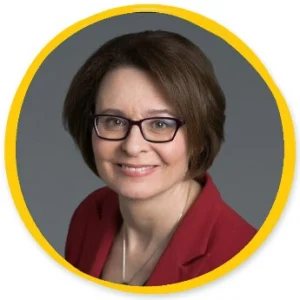
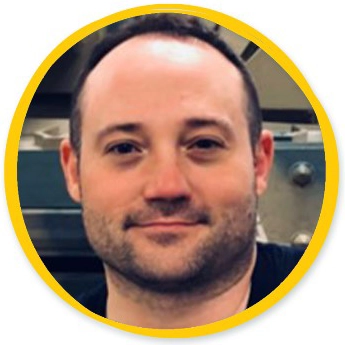
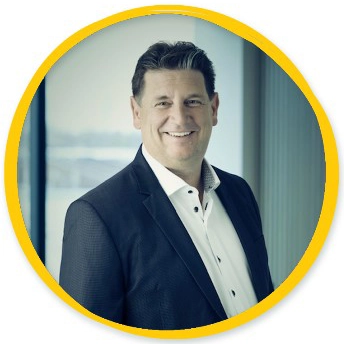
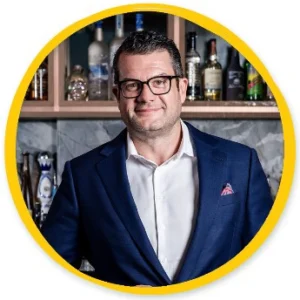
Ugo Bizzarri, Managing Partner & CEO: Hazelview Investments, Brad Dunkley, Co-Founder & CIO: Waratah Capital Advisors Ltd, Andrew Oliver, President & CEO: Oliver & Bonacini (O&B) Hospitality and Lori Pearson, Vice Chair: Brookfield Corporation delivered original stand-up comedy routines while vying for the title of “Funniest Amateur”, to raise critical funds to support Breakthrough T1D’s $100M Campaign to Accelerate.
Congratulations to Brad Dunkley for being awarded the title of funniest amateur, receiving the coveted Baba Mary trophy – named after event founder David Goodman’s funny grandmother.
Joining them was headliner Jeremy Hotz. One of the most unique stand-up comics working today, Canadian-born Jeremy Hotz is a proven international success. With sold-out Canadian tours, as well as performances all over the U.S., Europe and Australia, Jeremy continues to grab audiences with his completely original and confused, yet very astute, observational comedy.
“We’re so grateful to our comedians, and to David Goodman for their support of the T1D community,” says Jessica Diniz, President and CEO of Breakthrough T1D Canada. “Ugo, Brad, Andrew and Lori are leaders in every sense, and their bravery to step out of their comfort zones also demonstrates their incredible commitment to accelerating the most promising research into cures for T1D.”
T1D is a chronic autoimmune disease that impacts almost 300,000 Canadians. People with T1D must administer insulin daily in order to stay alive. And even with careful management, there is the risk of long-term complications like kidney failure, blindness, amputation or even death.
“Humour Me remains focused on raising funds to support organizations like Breakthrough T1D Canada that provide vital services to Canadians. Over the years we have raised close to $29 million for some incredible non-profit organizations and community groups who make a real difference.
We are thrilled to be able to help Canadians living with T1D and advance critical research that will get us closer to a cure. I thank our volunteers, comedians, coaches and judges for their time and efforts for what will be an evening filled with fun, laughter and friends while supporting this great cause. And a special thank you to our brave contestants who stepped out of their comfort zone and set a fundraising record for this event,” says David Goodman, founder and CEO of Humour Me.
“My daughter was diagnosed with type 1 diabetes more than 20 years ago. There are no days off from diabetes, and the constant management and complications will never go away until there is a cure. If my attempt at a stand-up routine can help bring that day a little bit closer somehow, then I will step out of my comfort zone, because there is nothing comfortable about T1D. I am honoured that Brookfield, my employer, continues to support my involvement in Breakthrough T1D and is sponsoring the evening,” says Lori Pearson.
“I actually love humour and comedy. One of the reasons I did this is that I want to be an example to my friends and family, showing them that it can be fun to do something challenging and scary, especially when it brings people together and supports a good cause,” says Brad Dunkley.
“When Jenn asked me to do this, I couldn’t say no. Trust me, I tried. I’m so appreciative of the many colleagues and friends who have been so incredibly generous. The research is moving quickly—so different from when I first knew Jenn 30 years ago, and a cure seemed impossible. I definitely don’t have a future in comedy, but this is an investment in the future for Jenn and so many others,” says Ugo Bizzari.
“The day my sister Vanessa was diagnosed with type 1 diabetes changed our family’s life forever. It was also the day my dad, Peter, vowed to do everything in his power to help find cures for this 24/7 disease — and he was a man of his word, relentlessly pursuing bold fundraising ideas and raising millions for research over 30+ years. My dad and sister are my inspirations. Though I do not know what it is like to live with diabetes, delivering a comedy routine in front of thousands of people, and fundraising for Breakthrough T1D are two ways I can honour my father’s legacy and help find a cure for my sister,” says Andrew Oliver.
Funds raised from the Humour Me will support Breakthrough T1D Canada’s $100M Campaign to Accelerate, which helps to fund the most promising research into cures and support for programs that improve the lives of those living with the disease today, including access to diabetes technology and mental health services.
A huge thank you again to our sponsors, volunteers, judges, comedians and everyone at Humour Me for putting together a heartwarming evening of inspiration, laughter and community.
When we launched the $100M Campaign toAccelerate, we wanted to ensure we maximized donor dollars to achieve the greatest impact. Through the Breakthrough T1D-CIHR Partnership to Defeat Diabetes, the Canadian Institutes of Health Research (CIHR) matches donor investments dollar for dollar, doubling the type 1 diabetes (T1D) research that can be funded.
Throughout the campaign, generous donors have stepped forward, allowing us to leverage even more funding. One of our incredible supporters, John Cammett, is matching all major donations to cure research within the CIHR partnership up to $2 million until the end of November 2025. The CIHR will match John’s contributions and yours, creating up to four times the impact for Canadians living with T1D.
“Like many people with type 1 diabetes, my goal is to take off my insulin pump forever,” says John, who has lived with T1D since age 32 and whose mother was also diagnosed at 32.
Dr. Melton and UBC’s Dr. Timothy Kieffer are two pioneers in stem cell research, having simultaneously discovered in 2014 the capability of stem cells to become insulin-producing beta cells, thanks to Breakthrough T1D donor funding. Dr. Melton founded a company named Semma Therapeutics to further develop his cells, while Dr. Kieffer and UBC licensed the cells to ViaCyte for their early clinical trials. Vertex Pharmaceuticals later acquired both Semma (2019) and ViaCyte (2022) to create a robust T1D program. The ongoing Vertex trial has been yielding successful results, while Dr. Kieffer continues to optimize stem cell-derived islets with Breakthrough T1D donor funding and create them in a way that would reduce manufacturing costs and increase access and availability.
“Our goal is to develop made-in-Canada therapies for type 1 diabetes that are affordable and accessible, continuing Canada’s history of improving the quality of life of people with diabetes around the world,” Dr. Kieffer says.
Leadership gifts made to John Cammet’s 4X matching challenge will support Dr. Kieffer’s work, as well as projects led by:
Breakthrough T1D Canada is deeply grateful to John Cammett and all the donors who are making this research possible and bringing us closer than ever to closing our $100M Campaign to Accelerate ($14M left to raise) and, more importantly, to cures for T1D.
“Breakthrough T1D has the passion and track record to achieve its mission, advancing cures for type 1 diabetes,” says John. “The most defining feature between success and failure is good leadership. I am confident Breakthrough T1D will lead the world toward type 1 diabetes cures that will work for all who need them.”
To learn more or make a 4X match leadership gift, please contact: Kim Lacombe
For many families newly diagnosed with type 1 diabetes (T1D), Halloween can feel overwhelming – a holiday centered on candy when you’re just figuring out carb counting and nutrition. However, with the right tools and knowledge, Halloween can and should be just as fun for your child.
Here are some helpful tips for having a T1D scare-free Halloween!
Make a Plan
Plan ahead to help make a potentially challenging holiday manageable. It’s important to make sure that teachers, neighbors, and temporary caregivers all know how to handle the abundance of snacks and excitement. Things they should know include:
The amount of candy you are comfortable with your child consuming
How you plan to manage insulin dosing based on activity level, blood glucose readings, and treats
Any foods they should avoid due to allergies or gluten intolerance
The symptoms of low blood glucose (hypoglycemia) and high blood glucose (hyperglycemia) and how to treat each
Running around during the evening hours may not be a part of your child’s typical routine. Here are a few tips to ensure that trick-or-treat outgoings go smoothly:
The activity and excitement around trick-or-treating can cause low blood glucose, so talk to your diabetes healthcare team about setting a lower temporary basal rate to account for the extra nighttime exercise.
Cooler temperatures can contribute to low blood glucose. Regardless of the type of costume, make sure your child stays warm.
No matter how complicated the costume, pumps and continuous glucose monitors (CGM) should be easily accessible. Find a place for your child’s insulin pump and CGM under their costume. There are a variety of products designed to hold T1D supplies and gear to make the outing easier for everyone.
Have a plan for eating candy and other foods while trick-or-treating.
Take inventory! Sneakily consumed candy could be the explanation for elevated Halloween blood glucose levels. All of those treats can be tempting.
Halloween Treat Alternatives
People with T1D should enjoy Halloween treats, but it’s also an opportunity to get creative!
Save some candy for treating lows. Candies that have dextrose as a key ingredient, like Skittles, are great for quickly bringing up blood glucose. Candies with higher fat content, like chocolate bars, are not ideal for treating lows.
Turn some of your child’s pile of candy into “currency” they can use to “buy” a book, toy, computer time, or other fun activity. You can donate this uneaten candy, so it’s win-win.
Give back to others! Food banks and groups fighting hunger will often accept candy donations.
Have fun! Halloween should be a blast for all kids, including those with T1D. We hope these tips and tricks ensure your Halloween is fun, not frightful!
This annual event is one of the largest diabetes conferences in the world, and Breakthrough T1D staff, partners, and funded researchers were in attendance to participate, share new data, and stay current on the state of type 1 diabetes (T1D) research and the pathway to cures.
EASD 2025 shared insights into the latest on beta cell replacement therapies, smart insulins, screening and early detection and making clinical trials more diverse and inclusive across the full spectrum of the T1D community.
Updates on beta cell replacement therapies
Insulin producing cells (known as beta cells) are destroyed by the immune system in type 1 diabetes (T1D). Finding ways to replace these cells and have them produce insulin again in someone with T1D is one of the more promising pathways to cures. There were a number of beta cell replacement therapies discussed at EASD, from investigations in their early stages to research trials which involve humans.
Vertex FORWARD trial of zimislecel (previously called VX-880) is currently the most advanced stem-cell derived islet replacement trial. Of the 12 individuals that have reached the one-year mark post-transplant, all have resolved severe hypoglycemic events, reduced HbA1c to 7% or less, and 10 of 12 are off insulin.
Breakthrough T1D’s support for Doug Melton, Ph.D. ( USA)—whose proprietary lab-created beta cells are now being advanced by Vertex—goes back decades, both via research grants and an investment from the T1D Fund: A Breakthrough T1D Venture. We look forward to what data emerges when the Phase 1/2/3 trial is completed in the coming months.
Dr. Maria Nostro, Ph.D. (Toronto, ON), a Breakthrough T1D Canada-funded researcher, also presented on her beta cell replacement protection strategy: macrophages. Macrophages are a type of white blood cell that we have learned are present in the developing pancreas. The idea is that the macrophages can be implanted alongside the beta cells during islet transplant and it will help protect and vascularize the cells. This research is still pre-clinical but represents another “shot on goal” to keep these cells safe.
Adocia (France) presented pre-clinical data on a product called AdoShell. This is an implantable device which contains insulin producing beta cells and does not require immune suppression. The company is acquiring funding to move to their first-in-human trial in 2026.
Allarta(Ontario, Canada), funded by Breakthrough T1D International, also presented pre-clinical data regarding implanted immune-evasive solutions which have the potential to replace insulin for people with T1D. Their unique design has been tested in animal models, with promising initial results. The company has said their products are scalable and there is a clear path to clinical use.
Orizuru Therapeutics (Japan) presented data on their investigational cell therapy composed of human manufactured islets derived from adult cells that were reprogrammed to precursor cells and eventually islets. This is one of the first cell therapies for T1D derived from reprogrammed adult cells, and this therapy is suitable for manufacturing at large scale. Earlier this year, these cells were implanted into a person with T1D as multiple “sheets” in the abdominal wall. Orizuru expects to share results in the coming months.
Early detection and beta cell protection
A significant discussion at EASD was the importance of early detection for T1D. Presenters discussed benefits, harms, and methods of T1D screening; who should be screened and how often; and how to effectively communicate screening results. In Canada, CanScreen T1D is a screening research consortium funded by Breakthrough T1D and CIHR to investigate population-level screening. Benefits of screening, such as prevention of diabetic ketoacidosis (DKA) at diagnosis, time to prepare for diagnosis, early control of hyperglycemia that can reduce the risk of complications, and opportunities to delay progression with approved therapies or experimental therapies in clinical trials.
Disease-modifying therapies are those which alter the course of disease progression, including therapies that are taken in early stage T1D to delay or prevent the onset of T1D. Tzield (teplizumab), which was recently approved by Health Canada is the only regulator-approved biologic that can delay the onset of clinical T1D by an average of two years.
Experimental therapies presented at EASD include:
Anti-thymocyte Globulin (ATG): Results from the MELD-ATG study were presented by Chantal Mathieu, M.D., Ph.D. (Belgium). This therapy, which is routinely used in organ transplants, was investigated at a minimal low-dose in individuals aged 5-25 newly diagnosed with T1D. Participants who received low dose ATG demonstrated clinically significant higher C-peptide levels (an indicator of beta cell function) during the treatment period compared to placebo. This was accompanied by lower HbA1c levels.
Baricitinib: The Australian-run, Breakthrough T1D-funded BANDIT trial reported initial, very promising results last year, and presented updated 2-year results at EASD. In individuals aged 10-30 years newly diagnosed with T1D, Baricitinib (taken orally for 48-weeks) improved C-peptide levels compared to placebo at the 1-year follow up point. When treatment was stopped, C-peptide levels fell and insulin needs increased, demonstrating a progression of T1D without continued treatment. This justifies the need for further studies of longer duration treatment, particularly since the drug is administered orally and well tolerated.
Verapamil: The Ver-a-T1D trial across Europe presented results on the use of verapamil, a commonly used blood pressure medication, for beta cell preservation in newly diagnosed individuals aged 18-44 years. Despite some initial clinical studies that suggested it may protect beta cells, the results of the Ver-a-T1D study showed no significant improvement in C-peptide, insulin dose, or CGM metrics in the verapamil group compared to the placebo group. However, verapamil is still being explored as a high-potential candidate to lower beta cell stress given in combination with immunomodulatory disease-modifying therapies (such as the three listed above) to dampen the autoimmune attack.
Since ATG, baricitinib, and verapamil are already approved for use outside of T1D, they could be cost-effective prevention therapies for early stage T1D.
New oral and smart insulins
New insulins are being developed to that more closely mimic naturally occurring insulin in the body of someone without T1D. These include both oral insulins and faster acting insulins.
Dr. Nicholas Hunt (Australia) presented initial research into the challenging topic of oral insulin. Initial results from the trial in various animal models showed a dose dependent effect which had a low risk of low blood glucose (hypoglycemia). The company is looking to move to phase 1 human trials next year in Australia.
Dr. Matt Webber (USA) presented a topic on fast-acting insulins. He has recently been investigating smart insulins that work faster and are responsive to glucose. These insulins would form ‘depots’ under the skin and would be soluble in the presence of glucose. There would be challenges to use this insulin in T1D, as the insulin has a long duration of up to one week, which would increase the risk of hypoglycemia. With funding from the Type 1 Diabetes Grand Challenge, he will continue research to try and develop a once-a-day insulin for people with T1D, which would allow for greater freedom and flexibility in T1D management.
Improving diversity and inclusion in T1D clinical trials
Data was presented that highlighted the lack of diversity and inclusion in T1D trials globally. Analysis of current research into chronic kidney disease (CKD) in diabetes showed the majority participants were of White-Caucasian background, which is not representative of the current population.
Daniel Newman (UK) a former Breakthrough T1D UK staff member offered his perspective as a Black man living with T1D. He spoke of experiencing diabetes distress and feeling under-represented within T1D research. He amplified that research is for everyone, and how representation matters.
Diabetes distress is defined as a range of emotional responses to living with and managing diabetes. This can include feeling overwhelmed with the burden of managing diabetes; fear and worries about complications or experiencing a severe low; feeling defeated, discouraged, or burned out when you are not meeting your blood glucose targets despite your best efforts to manage them.
It is important to recognize that living with diabetes distress is not the same as clinical depression. Diabetes distress can be a common response to living with a chronic disease. The EASD guideline aims to support primary care providers and other clinicians to better support their patients affected by diabetes distress.
The guideline includes specific recommendations for healthcare professionals on regular assessment and management of diabetes distress in adults with diabetes in clinical practice, including use of validated tools to identify diabetes distress and referring to specialist support where needed. The guideline will help to better standardize care for diabetes distress across diverse healthcare settings. It may also help people with T1D to better advocate for themselves with their healthcare providers.
Breakthrough T1D Canada has long recognized the need for holistic T1D care that includes mental health considerations and a better understanding of diabetes distress and is pleased to see this be highlighted at EASD.
Advances in T1D technology
Diabetes technology companies from across the globe attended EASD, discussing their new technology to make managing T1D easier.
Abbot Laboratories presented new research into their continuous ketone monitor (CKM) which will be integrated into their continuous glucose monitor (CGM) models. Alongside measuring blood glucose, it is important to measure blood ketones for people with T1D. If ketone levels become too high, it can lead to a life-threatening complication called diabetic ketoacidosis (DKA).
This would be a first-of-its-kind device that would enable people with diabetes to continuously monitor glucose and ketones in a single sensor. This device could redefine care for people with diabetes who are at risk for developing DKA. They will be seeking regulatory approval for this device when the clinical trials are completed.
AccuCheck presented data on a predictive CGM model. This means that the CGM can estimate what your blood glucose level will be in the future (up to two hours) and work with an insulin pump to correct your levels. It also has low glucose prediction and a night-time low prediction function. These could help to significantly reduce the risk of hypoglycemia for people using the device.
These devices are not yet approved or on the market in Canada, but we will provide updates as soon as they become available.
The path to fully closed-loop automated insulin delivery systems
Hybrid closed-loop (HCL) or automated insulin delivery (AID) systems use a continuous glucose monitor (CGM paired with an insulin pump to adjust insulin delivery based on real-time glucose levels. These systems still require mealtime and physical activity announcements. These were recommended for all people with T1D in the recently published Diabetes Canada Clinical Practice Guidelines.
While these devices can be transformative for people with T1D, they can still be onerous to use and fully closed-loop systems aren’t widely available for T1D yet.
In this session, Moshe Phillip, M.D., Katrien Benhalima, M.D., Ph.D., and Charlotte Boughton, M.D., Ph.D., explored the benefits of currently available AID systems and fully closed-loop AID systems on the horizon.
Based on clinical trial data and real-world evidence, hybrid closed-loop systems improve time-in-range (TIR) and reduce HbA1c levels without increasing the risk of hypoglycemia. This translates to better outcomes and quality of life for people with T1D.
Different AID systems will work better for different people, depending on preferences for blood glucose management. Because there have been limited head-to-head trials comparing two or more AID systems, there is no evidence that any one system is definitively better than another.
A clinical trial for the CamAPS HX fully closed-loop AID system in the UK increased TIR by 50% compared to 36% in people using standard pump therapy with a CGM—amounting to three additional hours each day of blood glucose in target range. Participants reported improved mood and sleep, less stress, and reduced diabetes burden. Similar improvements in blood glucose and daily life were reported in adolescents.
Next-generation AID systems under investigation include two or more hormones for optimal glycemic control, artificial intelligence, and “digital twin” simulation tools.
Initial clinical studies using fully closed-loop systems with T1D demonstrated significant improvements in blood glucose control and quality of life. In the meantime, hybrid closed-loop systems offer substantial benefits for people with T1D—and there are commercially available systems to choose from based on individual preferences in Canada.
Updates on heart and eye complications
Reducing T1D complications remains a major research focus area, and we fund research studies aimed at reducing eye, kidney and heart complications resulting from T1D.
Data from the LENS trial(UK) was presented, which found that fenofibrate—a generic and affordable cholesterol-lowering medication—can reduce the progression of diabetic retinopathy in people with T1D and type 2 diabetes. A follow-up study in the UK found that fenofibrate is a cost-effective option for diabetic retinopathy, especially for those living with T1D. In conjunction with these studies, the recruiting Breakthrough T1D International-funded Protocol AF trial is further investigating fenofibrate in preventing progression of diabetic retinopathy in people with T1D.
Data from the long-running FinnDiane cohort (Finland) were presented on the relationship between cumulative exposure to glycemia or lipids and heart failure, one of the leading causes of cardiovascular mortality in T1D. The study found that both cumulative glycemic exposure (defined as time spent with HbA1c levels > 7%) and cumulative lipid exposure (LDL, triglycerides, and cholesterol) are independently associated with increased risk for heart failure. The publication highlighting these findings includes a call to action for healthcare providers to help people with T1D minimize high blood glucose levels and lipid exposure, and support and encourage the best diabetes management possible to reduce risk for heart complications.
—
Breakthrough T1D will be represented by Canadian and International staff at the International Society for Pediatric and Adolescent Diabetes 2025 Conference, which will take place November 5-8 in Montreal, Canada. We’ll provide updates from that research conference that targets the younger cohort of people living with T1D.
It’s never been a more exciting time in global T1D research both in projects aimed at improving lives today and those working tirelessly towards cures and our shared goal of a world free from type 1 diabetes.
Thanksgiving in Canada is often seen as the unofficial start of autumn, the air has turned crisper, and the evenings have a welcoming chill. Many people look forward to cozy season, donning a favourite sweater and feeling the crunch of the leaves under their boots.
But it’s also the start of the unofficial holiday ‘eating’ season and is known for being a carbohydrate-heavy and rich meal. This can bring with it stress for people with type 1 diabetes (T1D), particularly those who are new to living with the disease. But with a little preparation, you can enjoy all the holiday has to offer.
Below are some tips and suggestions to make managing Thanksgiving meals with T1D a little easier, along with a carb count table of some of the more commonly eaten foods, snacks and desserts.
Consider downloading a carb counting app, like Roche’s mySugr app, Diabetes M, Quin, which can be connected to a flash glucose sensor (Quin is free but only available on IOS) or apps from your device manufacturers. Visit the website of the manufacturer of your device to find out more.
Carbs and Cals lets you take a photo of your meal, and the app searches its library of over 19,000 foods to give you the nutritional information you need.
MyFitnessPal app includes a database of over 14 million foods so you can find out nutritional information about what you’re eating, including the amount of carbs. It has a handy barcode scanner for ready-made products, and you can also add your own foods.
There is a free version and a paid version which has more features. The app is compatible with iOS and Android.
If you’re not preparing the meal, speak to the host and ask what they’re planning on making. Being armed with this knowledge ahead of time can help you better prepare, including meals and snacks you’ll eat in advance of the Thanksgiving dinner. Knowing what’s going to be on offer can help you feel better prepared and more in control over your carb consumption. You could also offer to bring a lower carb side dish, or another protein.
Don’t hesitate to use measuring cups if you’re still not confident in eyeballing portion sizes. Having more precise measurements can help with insulin dosage and help you stay in range.
You can still enjoy more carb heavy dishes like mashed potatoes, or candied yams but consider making more of your plate the lowest carb options, like green vegetables and proteins. If you’re going to partake in alcoholic beverages, make sure to factor them into your meal-planning as well.
Why not take a family walk after the Thanksgiving meal? A leisurely walk after a big meal is beneficial to everyone, and it’s a nice time to relax and bond with guests while also working off some of what you’ve eaten.
Thanksgiving is known as the holiday of relaxing – and eating. But T1D doesn’t take the day off for the holiday. However, with some preparation, you can feel comfortable, empowered and enjoy Thanksgiving as it’s meant to be.
Thank you to Beyond Type 1 for these commonly eaten holiday food carb counts.







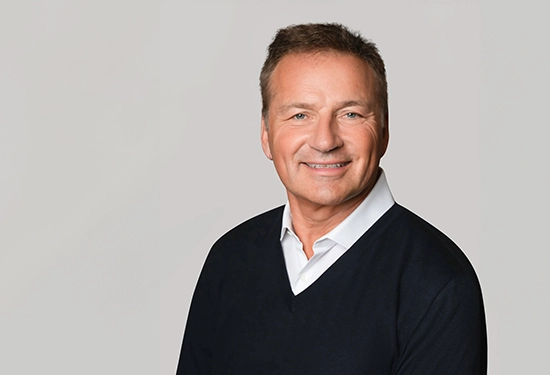 John has long supported
 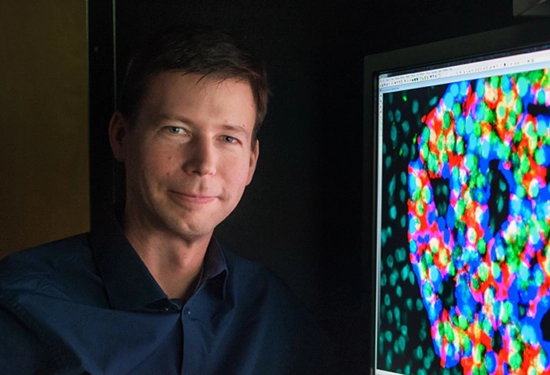 Dr. Melton founded a company named Semma Therapeutics to further develop his cells, while Dr. Kieffer and UBC licensed the cells to ViaCyte for their early clinical trials. Vertex Pharmaceuticals later acquired both Semma (2019) and ViaCyte (2022) to create a robust T1D program. The ongoing Vertex trial has been yielding successful results, while Dr. Kieffer continues to optimize stem cell-derived islets with Breakthrough T1D donor funding and create them in a way that would reduce manufacturing costs and increase access and availability.


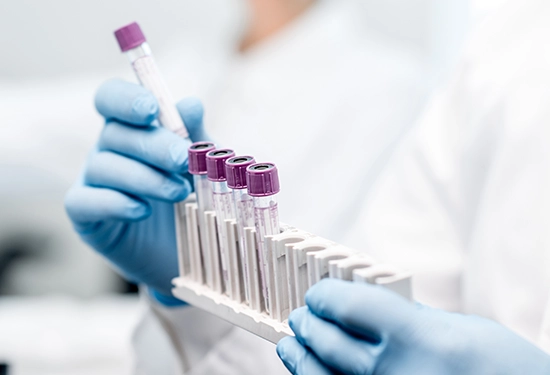 A significant discussion at EASD was the
  Diabetes technology companies from across the globe attended EASD, discussing their new technology to make managing T1D easier.