Finding the perfect gift for your loved one living with type 1 diabetes

It feels like it happens every year, the months go by in a flash and before you know it, the holiday season is upon us. And now it’s time to find that perfect gift for those closest to you.

Breakthrough T1D is here to take some of the stress out of gift-giving and we’ve put together a holiday gift guide with some creative and fun ideas that can not only work for people living with T1D, but others on your list, whether they are family, friends, or colleagues. Knowing that the most treasured present is the one that comes from the heart.

Everyone loves being cozy

Sweaters, fuzzy blankets, tuques, scarves and mittens – these are simply Canadian essentials, and there is no shortage of styles, patterns and colours you can choose from.

Find some inspiration at a place like Simon’s, a Canadian store that has both household items and clothing, and that delivers across the country.

Or with enough time and energy, you could crochet a scarf or hat. You could even treat yourself to a crochet kit for a beginner, making it a gift to yourself too!

And keeping feet warm and comfortable can be even more important for people with T1D. Compression socks, and anti-fatigue mats can help with fatigue and aching in the calves and feet.

Consider non-skid, seamless and moisture-wicking socks, and pair them with a fun pair of cozy slippers (make sure they’ve got a solid and padded sole and a closed toe and back to prevent slipping). There’s nothing worse than waking up to cold floors on unprotected feet.

A fancy medic-alert bracelet

It’s advised that people with T1D wear a medic alert bracelet. And you may remember the more utilitarian style from your childhood. But did you know they come in a variety of styles, including necklaces and additions for a smartwatch band?

You can find the entire collection here: https://www.medicalert.ca/products

Keeping skin soft and supple all winter

The winter cold makes skin dry, cracked and uncomfortable. This can be especially challenging for people living with T1D. Well-moisturized skin also helps with glucose monitoring. Consider stuffing the stocking of your loved one with T1D with luxurious and rich moisturizers. Look for ones that contain urea.

Gifts to stimulate your brain

It’s easy to want to ‘couch rot’ when the days get short, cold and dark. And there is nothing wrong with a day or two doing very little. But why not also consider gifts that challenge the mind. Trivia games, sudoku, 10,000-piece puzzles, or even just old-fashioned books are gifts that can help keep the mind stimulated during that period between Christmas and New Year’s when it’s hard to remember what day or time it is!

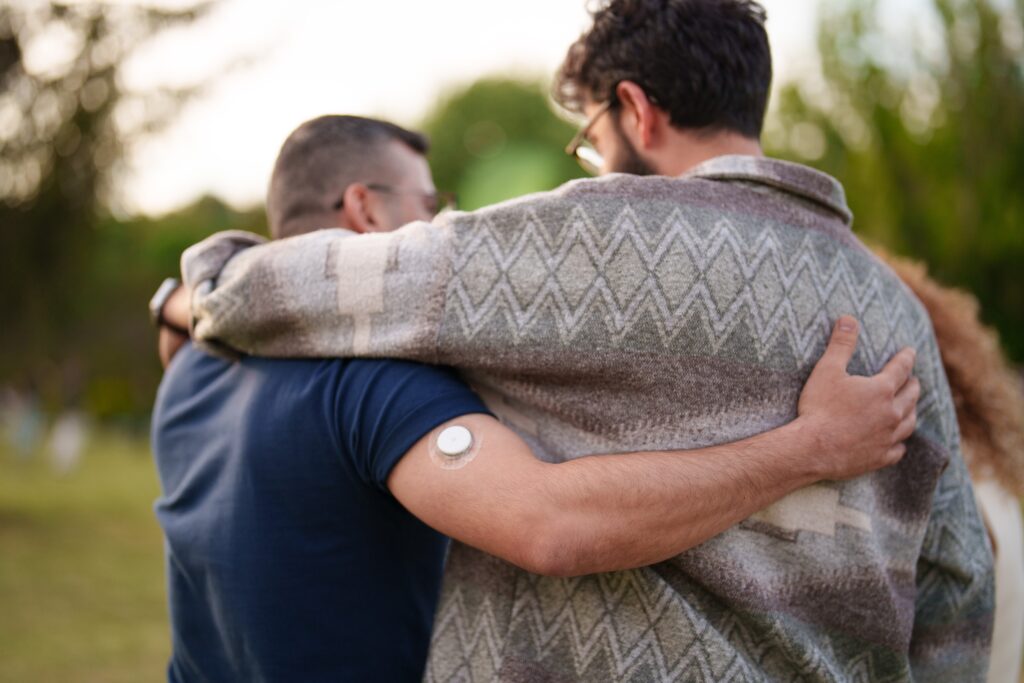
Fun and creative insulin pump and CGM stickers
Started by a Canadian diagnosed with T1D when she was 33 years old and someone who loved colourful designs and stylish jewelry, Edda decided to create her own line when she found there were limited options in Canada.

In addition to a range of beautiful insulin covers and CGM stickers, Pimp My Diabetes also offers stylish diabetes bags and jewelry. And they have a full range of clothing and apparel options for both people who have T1D and their loved ones.

Check out the full range of items here: https://pimpmydiabetes.com/

(*Please note that Breakthrough T1D receives no funding from any of the suggested links, they are just to help you get started)

Gve the gift of breakthroughs

Maybe you don’t know what to give a colleague, or that one friend who’s really hard to shop for.

Supporting a charity, including Breakthrough T1D Canada will help you to feel good while doing good. And a donation not only helps today but can create a lasting legacy. Your support can help Breakthrough T1D in our mission of making every day life better for the close to 300,000 Canadians living with T1D, while we drive towards cures.

And if you donate today, your gift will be matched 2x up to December 31, 2025, allowing you to double your impact, and receive a final tax receipt before the end of year.

And here’s our gift to you! 

Please also accept our gift to you – an electronic holiday card that you can fill in with your own message and use to help raise awareness of type 1 diabetes in Canada.

Download by clicking on the card

No matter how stressful or busy the holiday season gets, always remember that you can’t go wrong with a gift given with genuine consideration and thought.

***

From everyone here at Breakthrough T1D, please accept our sincerest wishes for a happy, restful and restorative holiday season, and all the best for the coming new year.

Landmark research uncovers why type 1 diabetes is more aggressive in young children

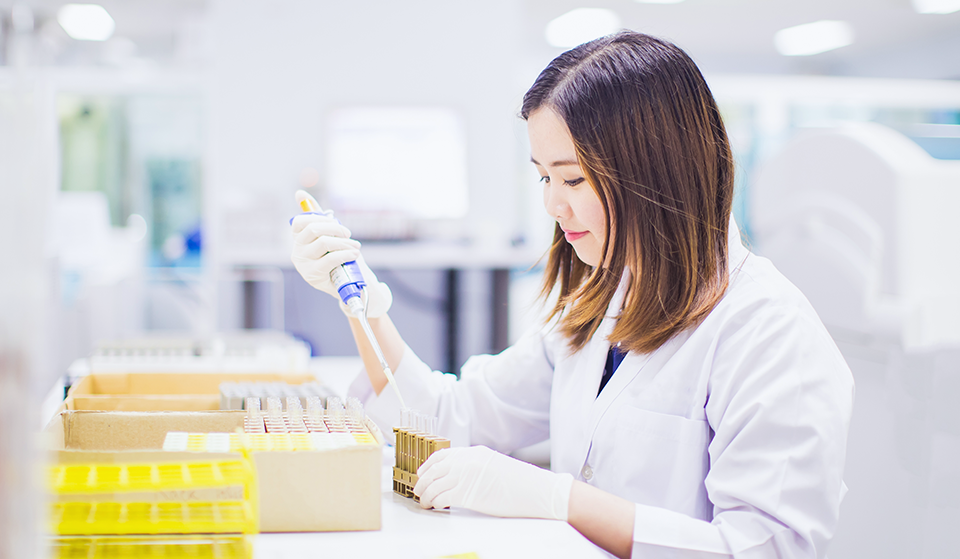
Woman looking into test tube

In young children with type 1 diabetes (T1D), nearly all insulin-producing cells are destroyed before they can mature, helping explain why the progression of T1D is more aggressive in early childhood.

The study, published in Science Advances, ahead of World Diabetes Day, was funded by the UK Type 1 Diabetes Grand Challenge– a partnership between Breakthrough T1D UK, the Steve Morgan Foundation, and Diabetes UK. This important finding provides valuable information into the wide range of T1D progression and highlights the need for universal T1D screening and early-stage immunotherapies in young children at risk of developing T1D.

T1D is an autoimmune condition, where the immune system attacks and destroys the insulin-producing cells in the pancreas. In young children T1D often progresses more rapidly, increasing the likelihood of medical emergencies such as diabetic ketoacidosis at diagnosis and requiring higher doses of insulin than those diagnosed at an older age.

Until now, scientists had limited tools to study the early development of insulin-producing beta cells. Beta cells are found in ‘clusters’ called islets of Langerhans, or islets, in the pancreas. To date, the majority of cell biology research has focused on the medium-large islets, particularly because small islets are often lost during the isolation process to study individual cells. In young children, approximately under the age of 7, the majority of islets are small and still forming and only contain a few insulin-producing beta cells.

The new study, led by Dr. Sarah Richardson, Associate Professor in Cellular Biomedicine at the University of Exeter in the UK, used cutting-edge scientific techniques to study these small clusters in unprecedented detail. The team analysed rare pancreas samples from more than 250 people of varying ages, both with and without T1D. The samples were accessed from numerous global biobanks including the Breakthrough T1D-funded Network for Pancreatic Organ Donors with Diabetes (nPOD). They looked at how these clusters change as we age and how they are affected by the immune system.

The findings confirm most rapid development of islet cells occur in the first few years of life.

For the first time, the researchers showed that in people with type 1 diabetes, these small clusters (pre-cursors to islets) are almost completely absent, having been destroyed by the immune system. While some people with T1D retained a few large clusters, allowing them to produce small amounts of insulin, this was not the case for those diagnosed at a young age.

Together, the results suggest that the abundant small clusters found in young children are especially vulnerable to the type 1 diabetes immune attack. Their rapid destruction prevents them from maturing, leaving very few insulin-producing cells later in life, while more mature islets in adults are somewhat more resistant to the autoimmune attack and the onset of T1D in adulthood may preserve minor insulin-producing capability.

This research underscores the critical role of these small clusters in healthy pancreas development and opens the door for new treatments to protect children’s clusters of insulin-producing cells, giving them the chance to mature into islets that are less vulnerable to the immune attack. It also strengthens the case that  type 1 diabetes screening – particularly in young children is essential for identifying those in the early stages of type 1 diabetes before these crucial cells are lost, (when accompanied by early-stage immunotherapy interventions to prevent the loss of immature islet clusters.)

Breakthrough T1D Canada currently has a $12 million grant co-funded through the Breakthrough T1D-CIHR Partnership to Defeat Diabetes that is funding CanScreen T1D –   a single nationally coordinated research network that explores key research questions about the feasibility and acceptability of general population T1D screening in Canada.

Results from this research could help to inform immunotherapies for individuals in early-stage T1D to preserve islet mass and insulin-producing capability.

T1D and returning to work and school in the wake of the COVID-19 outbreak

May 25, 2020

We are sharing information that addresses some of the top concerns of the T1D community. Note these responses are not intended to be medical advice, for that—as always—you must consult your own healthcare team.

The declining numbers of new COVID-19 cases and hospitalizations across Canada are positive news. But as provinces begin to release guidance as to how schools, workplaces, and public spaces can reopen, many people may be feeling anxious. People living with T1D and their families may have extra factors to juggle when making decisions and planning for return to work or school.

Each province or territory is outlining public health guidance on practices such as social distancing, and a locally relevant approach for returning to schools, workplaces, and public spaces. Familiarize yourself with guidance from your provincial or territorial health authority, and keep up to date on changes.

Regardless of where you live, maintaining practices of social distancing and good hygiene will continue to be crucial to minimize exposure for ourselves and those around us, as restrictions are loosened. Universal practice of these measures will help to minimize risk of infection and mean we continue to “flatten the curve”. In these early phases of loosening restrictions, everyone should continue to practice:

  • Frequent handwashing or, when in public places, frequent use of hand sanitizer with a minimum of 60% alcohol base
  • Avoid touching face, mouth, nose and eyes
  • Minimizing trips to grocery stores and other locations visited by a high volume of people
  • Maintaining a 2m (6 foot) distance from others when you do need to leave home
  • Wearing a face covering when physical distancing is not possible (e.g. when shopping, on public transit, etc). A non-medical face covering will not protect you from COVID-19, but it can protect others by reducing the spread of droplets from the wearer. For more information on non-medical face coverings, see Health Canada guidance.
  • Adhering strictly to local guidance on joining social gatherings with others, and applying the above practices during social gatherings wherever possible.
  • Staying home for a minimum of 10 days if you have cold or flu symptoms.
  • Familiarizing yourself with local COVID-19 testing practices and get tested if you are eligible – testing capacity in Canada is expanding, which is crucial for tracking cases and preventing spread during early phases of re-opening.

Will it be business as usual when we return to school or work right now?

As they prepare to reopen, schools and workplaces are putting safety procedures in place to minimize risk of exposure to the coronavirus. These can include:

  • measures to ensure social distancing in classrooms or workplaces
  • policies around how to interact with others
  • cleaning procedures
  • in some cases, provision and use of personal protective equipment

Reaching out to your school or employer to understand exactly what practices are being implemented may help to make decisions about and prepare for your return.

Is it safe to return to work or school with T1D?

Even with safety procedures in place, returning to work or school may mean an increase in risk of exposure at this time. It’s important to understand what the risks of COVID-19 are for people with T1D in planning to return.

Evidence thus far indicates that children and adults less than 65 years old with well-controlled T1D and without other health conditions are not at greater risk of getting COVID-19 and do not necessarily have worse outcomes of COVID-19 than their peers without T1D. Thus, T1D itself may not be a medical reason to delay return to work or school.

Recent data from the UK indicates that older age, high HbA1c (e.g. >10%), and obesity (BMI>30) put people with T1D at increased risk of death from COVID-19. Although similar data are not yet available from Canada, this new information indicates that older people with T1D, and those who live with them, should take every possible precaution to reduce their risk of exposure.Each person with T1D is different and if you are concerned about your health status and have questions about your own situation, seek guidance from your healthcare team. Factors that may mean a person with T1D is at higher risk of the consequences of COVID-19 include:

  • Age 65 or older
  • High HbA1c (>10%)
  • BMI >30
  • Complications or other conditions that have been associated with poor outcomes of COVID-19, including heart disease, hypertension, chronic respiratory diseases, and cancer
  • Immune compromised status due to medical treatment, such as immunosuppressive drugs (for example after a kidney or islet transplant), chemotherapy, or a medical condition (note that T1D itself does not cause immune suppression)

If one or more of the above applies to you or someone you live with, and your school, workplace, or commute does not allow you to practice all of the social distancing practices recommended, consider delaying returning to work or school for a period of time – if you can. It’s best to discuss your individualized plan with your healthcare team and your school or employer.

If going back to school or work, is there anything we should do differently?

  • In the short-term, if you can work or attend school effectively from home, you may choose to continue doing so while safety procedures are being established.
  • If you physically return to work or school, ensure to practice all of the recommended safety measures at all times to minimize risk of COVID-19 to yourself and others. This is also important to remember during break times such as recess.
  • If you usually take public transit, consider adapting your commute to minimize social contacts – for example by driving, travelling at low-peak times, or walking or cycling if possible.
  • Avoid bringing items to school that would be quickly shared with other children, such as stationery (pencils/pens), books, or toys.
  • If your child has T1D and is returning to school, add a good supply of disinfectant wipes, gloves and face coverings (ideally well-fitting medical masks for adults and children, if you can obtain them) to their T1D supplies kit and communicate with teaching and support staff in advance. This means that if your child needs physical assistance at school, the person assisting them will have quick access to protective equipment. More information on diabetes at school can be found here.
  • If you have T1D and are returning to work, bring your own disinfectant wipes, gloves and face coverings (ideally well-fitting medical masks, if you can obtain them) along with your usual T1D supplies, and communicate with your employer in advance. This means that if you need physical assistance while at work, the person assisting you will have quick access to protective equipment. In communicating with your child’s school, or your employer, take the opportunity remind them about the life-saving potential of glucagon in the event of severe hypoglycemia.

If a person has had COVID-19, are they immune to getting it again?

Because the coronavirus is new, researchers cannot say for certain that an initial infection guarantees lasting protection. But based on the experience with other viruses, including other coronaviruses, they expect that people who recover will be shielded for perhaps at least a year or two, and from there the immunity might start to wane (but not disappear). Evidence suggests they would also be less likely to pass the virus on to others.

How long will it take to develop a vaccine for COVID-19?

A vaccine for COVID-19 is still many months away, and restrictions are being loosened at this time in Canada without availability of a vaccine. However, intensive research into prevention and treatment of COVID-19 is ongoing around the world, with many trials being led here in Canada.

If you have additional concerns not addressed here, write to us at T1Dquestions@JDRF.ca  or check out breakthrought1d.ca/coronavirus for more information.

Donate | Donnez