The J. Andrew McKee Fellowship in Type 1 Diabetes was developed to accelerate Canadian research, develop talent and augment Canada’s global leadership in T1D research. The Fellowship Program is named in honour and memory of John Andrew McKee, who was Past President and CEO at Breakthrough T1D (then known as JDRF) and a long-standing member and Chair of SCN’s Board of Directors. Andrew played a significant role in developing the future of both organizations and believed deeply in the important role of science in making Canada a better place for all.
Dr. Awoke will be joining the Breakthrough T1D Centre of Excellence from Nottingham Trent University (United Kingdom) where he was a PhD Researcher in Biomedical Science with focus on developing new therapeutics for metabolic diseases and their complications.
Dr. Awoke will be researching islet prohormones as biomarkers of disease prediction and response to immuno-and cell therapy, which has the potential to impact clinical practice and improve T1D prediction and treatment.
Dr. Awoke took some time out of his very busy schedule to discuss his research and what he hopes to accomplish through the Fellowship.
Tell us a bit about your background:
I completed my BSc in biochemistry at Ebonyi State University (Nigeria). This offered me an excellent background knowledge on the molecular basis of disease development. Then, I went to the University of Aberdeen (Scotland), for my MSc in clinical pharmacology, where I engaged in studies related to obesity and diabetes for my research project.
Both degrees created the much-needed scientific curiosity and passion to engage in more in-depth studies to understand the molecular basis of obesity and diabetes. Then, I did my PhD in biomedical science at Nottingham Trent University, where I investigated the anti-inflammatory actions of carnosine in metabolic diseases.
I am now taking up postdoctoral training at Breakthrough T1D Centre of Excellence, UBC, where I will investigate islet prohormones as potential biomarkers of T1D prediction and response to immuno-and cell therapy. I am hopeful this will contribute positively to clinical practice and improvement in T1D, prediction, prognosis, and management.
What made you apply for this Fellowship?
As my PhD research was winding down, I was gearing up to move forward to the next phase of my career development, which is postdoctoral research training. More to this is that my MSc and PhD degrees were all done in the UK, so, I wanted to go elsewhere, like Canada, which is also a global leader in diabetes research. Therefore, I looked out for postdoctoral fellowships in Canada in the field of diabetes research like the J. Andrew McKee Fellowship in Type 1 Diabetes. This prestigious fellowship is open for young talented early career researchers like me from anywhere in the world to come to Canada and contribute to Canada’s global leadership in T1D research.
So, I believed it was the ideal fellowship for me, and which will spark my dynamic career progression in T1D research in addition to my overall career goals and aspiration of becoming an independent researcher and a PI in the future.
What drew you to type 1 diabetes as a research field?
Sadly, I had a lovely foster sister who passed away as a teenager due to T1D. Growing up, I could still remember how she solely depended on insulin administration and how crucial the situation was anytime her supply of insulin was exhausted.
This sparked my interest, curiosity, and passion to know more about T1D. I also know other families and friends in my community who live with T1D and the enormous burden of the disease on them. I therefore thought that if someone could discover insulin that has continued to help millions of lives globally, then maybe I could help save additional lives through my research in T1D. So, I believe my research could bring great relief to those families with T1D and increase their quality of life. I know that perhaps seems too ambitious, but where there is a will, there is a way.
Tell us more about the research you will be conducting at the Breakthrough T1D Centre of Excellence at UBC?
My research at UBC will focus on the islet prohormones as biomarkers of T1D prediction, prognosis, and response to immuno- and cell therapy. Firstly, insulin and islet amyloid polypeptide (IAPP) are the key hormones produced by islet beta cells.
These hormones are implicated in T1D due to their key roles in regulation of glucose metabolism and homeostasis. Interestingly, they are first produced as precursor peptides known as proinsulin and proIAPP. However, only healthy and differentiated beta cells can properly process these precursors to their fully mature and active forms. Incompletely processed proinsulin and proIAPP may therefore correlate with beta-cell dysfunction in T1D and may also be useful in predicting progression to T1D, response to immunotherapy, and beta-cell transplant failure.
So, I will utilize several advanced techniques at the Breakthrough T1D Centre of Excellence at UBC to discover, validate, and assess these prohormones in diverse lab/clinical T1D models. The overall goal is to utilize them as effective biomarkers to improve T1D prediction and prognosis, which will positively impact clinical practice in T1D treatment and management.
How is the Breakthrough T1D-SCN fellowship going to advance this research?
This fellowship is so amazing and all-encompassing. I like the fact that it is tailored towards both the training of the Fellow and doing the actual research.
I will primarily be supervised by Dr Bruce Verchere whose lab has already shown strong preliminary evidence that some forms of incompletely processed proIAPP and proinsulin are disproportionately elevated in persons with T1D as well as in recipients of islet transplants prior to graft failure.
So, this fellowship will provide the needed resources to investigate these prohormones on more diverse and larger scale lab/clinical models, which have not been done before. Another fantastic aspect is that through the framework of this fellowship, we will also collaborate with other Breakthrough T1D Centre of Excellence labs in stem cell differentiation and beta-cell function assessment to effectively realize the overall goal of this project.
What are you most excited about with your move from the UK to Vancouver?
Firstly, UBC is within the top tier universities known for research excellence in various fields globally. They are also renowned for various research breakthroughs in diabetes both in Canada and globally. So, I am super excited to begin my postdoctoral training at such a world-class university known for research excellence as I believe it will have a huge impact on my career advancement.
Then, I really love the natural beauty of coastal areas and the beautiful mountain views in Vancouver. So, I can’t wait to enjoy the adventures of looking and walking through these amazing natural wonders outside my lab/work hours in Vancouver. Finally, I have learnt from my friend that Vancouver is a very diverse and inclusive cosmopolitan city with different ethnic nationalities. Therefore, it will be amazing to meet and work with people from diverse multicultural backgrounds in Vancouver.
***
Breakthrough T1D Canada is grateful to Dr. Awoke for his time and congratulates him on the fellowship award. Thank you, Dr. Awoke for contributing to critical cure-based T1D research and further strengthening Canada as a global leader in this field.
On October 23, 2025, some of Canada’s top business leaders are trading boardrooms for bright lights—all to help accelerate breakthroughs in type 1 diabetes (T1D) research.
At Humour Me, they will step out of their comfort zones and take the stage with original stand-up comedy routines vying for the title of “Funniest Amateur”, while raising critical funds to support Breakthrough T1D’s $100M Campaign to Accelerate.
Organized by the David Goodman Youth Community Trust and, in 2025, presented by Brookfield, Humour Me applies a twist to the typical stand-up routine by bringing together professional comedians and influential, high-profile amateurs to perform together.
This year’s headliner is none other than Jeremy Hotz. One of the most unique stand-up comics working today, Canadian-born Jeremy Hotz is a proven international success. With sold-out Canadian tours, as well as performances all over the U.S., Europe and Australia, Jeremy continues to grab audiences with his completely original and confused, yet very astute, observational comedy. He also boasts numerous awards for his comedy, writing, and performances on TV shows like The Newsroom.
An event with a legacy of giving back, now directed to T1D research
Humour Me is an iconic comedy fundraiser that has generated over $25 million for worthy causes over the past 15 years, and we’re thrilled to turn the spotlight on T1D research this year on October 23 at the Elgin Theatre in Toronto.
Lori Pearson, Vice-Chair of presenting sponsor Brookfield and one of the brave amateur comedians, shares her family’s story and why the proceeds from this event are important to them:
“When our daughter Ginny was 7, her life changed forever, as did our family’s. Ginnie was extremely sick, so we took her to SickKids Hospital, where she was diagnosed with type 1 diabetes. About a week later, when we had returned from the hospital, I was sitting with Ginny when she asked, ‘So, when do the needles stop?’ It broke our hearts. Fast-forward over 20 years to today, and Ginny still battles with the daily highs and lows of T1D. Thanks to donor-funded research, she now wears an insulin pump and a continuous glucose monitor, so there are fewer needles and pokes. However, the constant fear of complications, carb-counting, and the mental health impacts of the disease will always live with her until we have a cure. That’s why giving to T1D research is important to us, whether it leads to a cure in the long-term, more short-term ways of improving disease management, or preventing it for those who have not been diagnosed yet.”
Lori is terrified by the thought of delivering a stand-up routine in front of hundreds, but says she is willing to step WAY out of her comfort zone for the cause – a sentiment shared by most who brave the legendary Elgin stage at Humour Me. Other comedians include Andrew Oliver, whose sister Vanessa and late father Peter famously left their own comfort zones at ground level when they courageously camped atop flagpoles for T1D research.
To see these brave souls rack up the laughs—and dollars—for T1D research, consider sponsoring the event, taking place Thursday, October 23, 2025, at Toronto’s Elgin Theatre at 7 p.m. (doors open at 6:30 p.m.). Learn more at https://humourme.ca/sponsorships/
Learn where to find resources and information to help support your child with T1D thrive in their new school year.
Receiving a diagnosis of type 1 diabetes (T1D) for your child can be an overwhelming time for parents. Learning to manage the disease and adjusting to the new normal can bring significant stress to a family. And even when a family has adapted to life with T1D, new stages in school can bring with them additional stressors.
T1D is a chronic autoimmune disease where the body attacks the cells in the pancreas that are responsible for insulin. There are approximately 300,000 Canadians living with T1D in Canada. Canada has one of the fastest growing rates of diagnosis in the world, and it’s not known why, and the highest diagnosis demographic are youth aged approximately 11-14 years old, although it can be diagnosed as young as infancy and into adulthood. There is currently no way to prevent the onset of T1D, and there are no cures.
People living with T1D must constantly measure blood glucose levels and administer insulin externally, either via multiple daily injections, smart pens or insulin pumps every single day in order to stay alive. It’s a steep learning curve, and one that can change day-to-day – which can cause additional anxiety when it’s time for a child with T1D to start a new school year.
And even with these tools, the risks of hyper or hypoglycemic episodes (blood glucose going too low or high) are always present. This requires carrying fast-acting sources of sugar everywhere you go and ensuring there are always snacks available. This could mean your child has to eat at times when their fellow students don’t. This feeling of being ‘different’ can make school a scary place for a child with T1D. Talking to their teachers ahead of time and having a few trusted friends in their class can help.
School transitions also come with new challenges. Moving from elementary to middle or high school can mean your child might want to exert more independence over their T1D management, with less parental oversight and involvement. And while this is an important step in any child’s path to autonomy and young adulthood, it doesn’t make the transition any easier for the parents or the worry they feel any easier.
Both Breakthrough T1D Canada, and in particular Diabetes at School are great places to start. On their websites, parents can find a wide range of checklists, training materials to offer educators, and resources to help students feel more prepared and empowered to manage their T1D while at school.
Ensure your child’s school is prepared, and where to find resources
Educate teachers and administrators about the rights of students with type 1 diabetes at school
Advocate for your child or youth with type 1 diabetes
Breakthrough T1D Canada is the largest non-profit in Canada driving towards cures for T1D while making everyday life better for people affected by T1D. Its advocacy program Access For All connects with all levels of government to ensure that diabetes technologies like advanced glucose monitors and insulin pumps are universally accessible and affordable for all Canadians with T1D. These are life-saving devices that improve disease management and outcomes and can make the transition back to school a little less fraught.
Breakthrough T1D Canada also offers a number of support services to help families through a new type 1 diabetes (T1D) diagnosis, provides resources to better navigate T1D and make personal connections with those who share similar experiences to earn from those who have been there already. Breakthrough T1D Canada wants to make sure that at whatever stage of the T1D journey a family may be on, they never feel alone.
Starting a new school year brings with it a unique set of challenges for any student, and this is only heightened when you add type 1 diabetes. But with the right tools, resources and support, you can send your child off to school with confidence.
Breakthrough T1D Canada was proud to have representatives included in this important advocacy event.
The Breakthrough T1D Children’s Congress advocacy program organized by Breakthrough T1D International in the United States, was inspired by a boy from Massachusetts named Tommy Solo (one of the type 1 diabetes (T1D) role models at the event). At age nine, he asked his mother, “Why can’t kids go to Washington and tell their Representatives about what it is like to have type 1 diabetes and let them know that we want scientists to find a cure?” His mom and other volunteers agreed, and in 1999, the first-ever Children’s Congress took place in Washington, D.C.
Since then, 12 successful Children’s Congresses have been held, one every other year, and more than 1,000 kids with T1D have served as Delegates. Breakthrough T1D Children’s Congress has been essential to securing continued government funding of T1D research and to raise awareness of the daily burden of Americans living with this serious autoimmune disease.
The 2025 selected Delegates represented all 50 states and the District of Columbia, as well as Breakthrough T1D’s five International Affiliates (Australia, Canada, Israel, the Netherlands, and the United Kingdom).
Delegates form lifelong friendships, meet T1D role models, develop leadership skills, and leave Children’s Congress empowered to use their voices for the change that will improve their lives and the lives of all people affected by T1D.
This year, the Children’s Congress took place between July 7-9 and brought over 170 children between the ages of 4-17 to Washington DC to meet face-to-face with US lawmakers and advocate for change.
Advocacy priorities focused primarily on ensuring the renewal of the Special Diabetes Program, a critical program that provides dedicated funding for T1D research at the National Institutes of Health. First created in 1997, $3.5 billion has been provided to date and has yielded at least $50 billion in federal healthcare savings.
Breakthrough T1D Canada’s ambassador representative was Emily Gervais, a 12-year-old from Edmonton, Alberta. Since her diagnosis at age 8, Emily and her family have been active in raising funds for Breakthrough T1D Canada and T1D research, including events like basketball tournaments, raffles, sponsorship events, and fundraisers.
As an advocate, Emily also involved her whole school in raising awareness for T1D by hosting a cotton candy sale. She has also volunteered with her family at the 2024 Edmonton Breakthrough T1D Walk, along with fundraising, has spoken at the Edmonton Breakthrough T1D Ride and has participated in Kids for Cure in the Community, advocating to local leaders for increased T1D awareness and support.
Emily prepared for the Children’s Congress by creating a scrapbook to share her T1D journey including her diagnosis, the devices she uses and the people who support her, her hobbies, and what a cure would mean to her. This scrapbook was left at the Canadian Embassy for the Canadian Ambassador to review.
Emily also made sure that Canadian-specific advocacy needs were included, when at the Canadian Embassy she shared how important it was to continue funding research for the approximately 300,000 Canadians living with T1D.
The role models she met with, the relationships she made, and the skills she developed at the Children’s Congress will all stay with her as she continues to advocate for the T1D community in the future.
In her own words: “Meeting new friends, being one of the first kids to get a T1D Barbie and going to the Senate hearing was something I will never forget. One of the best parts was when an alarm (her CGM notifying her of low blood glucose) beeped and it felt normal. No stares from other kids, just people checking if it was them! I really hope the SDP (special diabetes program) is renewed so we can get more money for research and a cure one day soon!!”
Breakthrough T1D Canada staff member Joey Wong was also in attendance at the Children’s Congress, sharing that by attending Children’s Congress, he saw firsthand how valuable it was for children diagnosed at an early age to find that they belonged to a community.
Delegates saw that they were not alone and there were others their age that had similar experiences as they did living with this disease. Younger delegates felt empowered to participate in event activities, and older delegates were not shy in acting as mentors. For some, the friendships they made will be life-lasting bonds.
They also benefited from hearing from T1D Role Models with backgrounds in journalism, athletics, fashion, and entertainment, who answered questions from delegates. These are inspiring individuals who, despite living with T1D, continued pursuing their passions and excelled in their fields. The Role Models shared their own personal T1D story and how they manage and overcome the disease in their own lives.
He was moved by a T1D community united in using their voices to advocate and drive positive change. Delegates and parents alike were motivated to share their story with anyone willing to listen and learn more about T1D. They were more than happy to explain the daily challenges of the disease, dispel any misconceptions and/or biases, and bring attention to how Congress can help.
During the same week the Children’s Congress took place, new legislation was introduced with bipartisan support to reauthorize the Special Diabetes Program, which was set to expire in September.
Regardless of age, Breakthrough T1D advocates continue to impress. Some delegates have little to no experience in advocacy and are nervous because of it, but it does not show in their meetings and instead, they put on a brave face when meeting with lawmakers and their staff. During meetings, it was clear that delegates are passionate about creating awareness, articulate in voicing their opinions, and determined to make a difference.
Kids for a Cure
Breakthrough T1D Canada holds our own advocacy event like the Children’s Congress, called Kids for a Cure, where young advocates living with T1D from across Canada to meet federal lawmakers in Ottawa to raise awareness of the disease and advocate for funding research progress towards a cure.
Kids for a Cure advocates are provided training and develop leadership and communication skills all while advocating for federal support of T1D research.
Advocacy remains one of the most important areas of Breakthrough T1D Canada’s work in improving the lives of Canadians living with T1D. Breakthrough T1D advocates are crucial in raising awareness, driving progress, and advancing breakthroughs.
By amplifying the voice of the T1D community, Breakthrough T1D Canada has been successful in bringing positive policy changes in Canada including:
Kids for a Cure returns in 2026 and while it is still too early to start accepting applications, there will be plenty of opportunities for advocates.
Make your voice heard now:
Breakthrough T1D is engaging with Canada’s federal government, and you can use your voice to let your Member of Parliament know how they can support the T1D community in Canada. Advocates looking to get involved can do so by participating in our Federal Outreach Program Advocacy in Action and meeting with their Member of Parliament. Click here to sign up: BreakthroughT1D.ca/get-involved/advocate/
Breakthrough T1D Canada Board Member Matt Varey rode across Canada in support of type 1 diabetes (T1D) research
On May 3, Matt Varey, a longtime volunteer with Breakthrough T1D Canada (formerly JDRF) and current Co-Chair of the Breakthrough T1D International Board, began a 61 day, 7400km+ journey to cycle across Canada. At 61, Matt had recently retired from a long career with RBC and though he has no personal connection to type 1 diabetes, he has become a passionate advocate over the past 20 years for Canadians living with T1D. Matt’s goal was to raise $500,000 and he surpassed it, raising over $535,000 and counting.
Matt’s journey saw all four seasons of weather as he crossed the country, and he endured excruciatingly long days, injury, and with no rest stops, truly tested his own mental and physical endurance on the road. Travelling with Matt was his wife, Andrea, and their dog, Handel, and they were joined by several of Matt’s lifelong best friends along the way. Matt’s friends Kirk, Stew and Steve had his back from the first day Matt and AJ decided on this journey, and they dropped everything to join him on the road; the mark of true friendship. Their team was small but what they’ve accomplished for the type 1 diabetes community has been extraordinary.
On July 2, Matt finished his ride in Halifax by dipping his tire in the Atlantic Ocean, book-ending a similar dip on May 3 in Victoria in the Pacific Ocean at the start of his journey. It was the emotional culmination of an audacious but incredibly meaningful journey.
Breakthrough T1D Canada spoke with Matt following his Ride to discuss his amazing once-in-a-lifetime personal journey and achievement in support of critical T1D research and support for the T1D community.
Breakthrough T1D Canada: How are you feeling today?
Matt: I feel tremendous. And let me tell you that the reason I’m feeling tremendous is because AJ and I were blown away by the absolute kindness, generosity, and sheer humility of society. That’s what I think about every day. The generosity we experienced everywhere we went across this country. We were both just so incredibly touched by how much people truly cared about the mission and the purpose. So, that’s how I feel.
Breakthrough T1D Canada: What surprised you the most?
Matt: Oh wow, several things surprised me, and I will share them in no particular order. Mother Nature surprised me. She thew so many different environments at us, you just had to have this ability to adapt and not get upset. I was continually surprised by how she can change the environment so quickly, and so sharply. This surprised both my wife and me.
Mother Nature can be relentless but at the same time, she can create serenity in the mornings, and at night. Really, the whole natural aspect of the journey, from the birds waking me up in the morning to the birds putting me to bed at night. The noises, the sound of the wind through the trees.
And then as I rode through tougher terrain, and through the areas heavily impacted by forest fires, it seemed to me that the trees were crying, We saw Mother Nature angry with the forest fires. You just saw the forest was sad, tired and dry. And when we saw the smoke, I thought it was Mother Nature crying. And that was unexpected but moving in its own way.
I thought I understood before, but I was in fact still surprised also by the beauty and diversity of Mother Nature, by the sheer beauty of Canada that I had not experienced until this ride. Cycling through just some of the most beautiful places on earth, Northern Lake Superior, the sheer beauty of the Saint John River Valley, the beautiful white churches in southern Quebec, your senses come alive when you’re on the bike, I didn’t have modern day distractions. So, all my senses were on high alert, I could truly smell a farmer’s field, or the scent of fresh cut grass.
And then on the other side of that – I was surprised by how noisy society is. The constant noise of being so close to cars, transport trucks, so close to you all day. You could sense they were coming closer before they did or feel the respect and distance they might give because I was on a bike. You pick up societal noises so much more.
Another thing that AJ and I were surprised and touched by was the sheer trust that human beings give you despite not knowing you. How decent is that? You get a flat tire, there’s no bike shop in a rural community, just a truck stop – and they don’t fix bike tires. Except they do! They see me, a person out on the road needing help, and they jump to give that help.
We were in Lake Louise, Alberta, it was two degrees, and I was cycling through rain and sleet, and my chain broke. And people, they just dropped everything to help. As soon as we mentioned the purposeful journey we were on, people trust you immensely, and want to be a hand on your back, they want to be someone who uplifts and supports you.
I was doing my washing in a laundromat, and a man saw my shirt and asked me what it meant, what I was doing? After telling him, he reached into this pocket to take out $50 and give it to me with the request that I do good things with it. I was so moved by the enormous trust that people give you.
The other surprise was RBC. I always knew it was a purposeful organization; I knew it had a cultural heart and soul, but this was a whole new level. My former colleagues and friends, and the grassroots support they provided, and I’m retired – I don’t work there anymore! But it was just a steamroll of giving from coast to coast.
Nobody said they were too busy for the activation events (pitstops) they came out on in the middle of the day; they came out on weekends. They gave their time and energy in support of this purposeful journey, and that helped drive me. RBC proved to be a deeply human organization, all these folks had a choice, to go about their life, go about their job – they interrupted both to come out and show support.
And of course, we were surprised by the sheer emotions, and how much it impacted us both. Not everyone knows the details of that.
The Breakthrough T1D ambassadors, each one imprinted on me in a different way. AJ and I, we know that if you had T1D, you don’t have a choice but to be courageous. You must be every day. But what surprised us was their quiet determination, their poise, and how they move forward with positivity. How they truly believe that tomorrow is going to be better than today. It took our understanding about living with T1D and what that entails to a whole new level. And that too helped drive both of us every day.
Breakthrough T1D Canada: What did you learn on your journey?
Matt: You learn a tremendous amount about your body, both physically and mentally. It tells you physically, when you can power through, that you have more fuel in your tank. You know before you even get on the road when you are going to have a tough day. Your body gets mad at you. It doesn’t want to do the same thing for 60 straight days. It surprised me that my body gave me two million pedal strokes, but it got mad at me at the same time. It most definitely was angry at me more than once. But I did learn this – you always have more fuel in your tank than you think.
I learned that I needed to just really focus on the positives. When I was so tired and didn’t want to go another kilometre. I would look down at my arm and at the Breakthrough T1D tattoo I got before starting this journey, and I would think to myself ‘I don’t want to do this, but yes I can’. My mind and body taught me so much for so many varied reasons.
Breakthrough T1D Canada: How do you feel about your connection to the T1D community now?
The first word that intuitively comes to mind is that they are even more courageous than I realized over my two decades with this organization. The organizational heart of Breakthrough T1D, I always say that a mind can be convinced, but a heart needs to be won. And when you have both, like Breakthrough T1D does – you can do anything. It became even more apparent what a people-led and purposeful organization this is. And then getting to meet Ambassadors, parents of children with T1D, or even people my age who have been living with this disease for decades. It gave me confidence, and it gave me hope.
Listening to Jessica Diniz (President and CEO of Breakthrough T1D Canada), Aaron Kowalski (President and CEO of Breakthrough T1D International) or board members – it just reinforced for both me and AJ that Breakthrough T1D is a family. It’s not simply an organization, it’s a family and everyone is connected because they are traveling on the same journey. Despite the difficulties of my specific journey, they came together with these family-like bonds. There are very few true bonds left in business. And Breakthrough T1D is a family from coast to coast at every level.
And we want to recognize as well the tremendous support of Katie, Lynne, Dennis and everyone at Breakthrough T1D Canada who worked tirelessly on this journey too. We have never known such a culture of support as the one at Breakthrough T1D.
Breakthrough T1D Canada: Any final thoughts?
Matt: My wife AJ is the most remarkable person that I have ever known. And what she did – for this journey, for me, was the most selfless act that I have ever known or seen or will ever experience. Without her, there was absolutely not a hope that I – but I mean we – could have done this journey. I love her dearly, but this took it to a whole new level.
Out of everything, I will remember what she did more than anything else. Life is about memories, and what I’m going to be left with are memories for life that I will never forget, and that have changed me.
This journey changed me. It made me look at things even more positively. We live in such a remarkable country, which is so kind and so beautiful in its soul. I could only experience that beauty by seeing it replicated over and over – in small towns, in big cities, in bike shops, pastry shops, restaurants, anywhere we went. The circulatory system of this country just pumps decency everywhere. I feel blessed to have experienced it and my gratitude can’t be properly expressed.
It’s also amazing how you can connect with society through social media. I had never used it before this event. But throughout my ride, I would read the comments on LinkedIn, especially when I was tired and didn’t want to get up, didn’t want to get back on my bike. But the humans on the other end would help keep me going. I never knew I could feel humanity that way through a computer. So, thank you to everyone who left me a note and helped fuel my commitment to this purposeful journey. You did more for me than you will ever realize.
I’m also so appreciative that Breakthrough T1D gave me and AJ the opportunity to do this, and I feel incredibly blessed and just so grateful to everyone at this organization, to the people I met out on the road, to the volunteers, to the ambassadors and to everyone who supported us along the way. Thank you. From the bottom of my heart – thank you.
***
Breakthrough T1D once again extends its enormous gratitude to Matt and AJ, to the volunteers, staff and everyone at RBC who contributed to the incredible success of Coast to Coast for Cures.
The American Diabetes Association’s 85th Scientific Sessions were held from June 21- 24th, 2025. The research presented at ADA covers all areas of type 1 diabetes (T1D) developments, including devices, adjunct therapies and the latest in cell therapies.
Updates in cell therapies research
Dr. Andrew Pepper (Edmonton) presented on vascularization strategies to increase the survival and functionality of transplanted islets. The implantation of a biomaterial under the skin will trigger the immune system and initiate a foreign body reaction, which results in the formation of blood vessels and structural components around the foreign object. Removal of the object leaves a hollow pre-vascularized core suitable for islet transplantation. This process can be optimized by using a biodegradable material, so no removal is required, and by the addition of “accessory cells” such as stem cells that are programmed to form blood vessels to help maintain a vascularized environment for islets.
Most Pressing Challenge in Cell Therapy: When the panel of experts was asked about the biggest hurdle to bring cell therapies to people, the answer was unanimous – removing immunosuppressants while maintaining efficacy and safety.
This is a primary area of focus for Breakthrough T1D and the aim of many ongoing projects by Canadian researchers with Breakthrough T1D funding. One example is work led by Dr. Andras Nagy (Toronto) and Dr. Tim Kieffer (Vancouver) presented at ADA:
Dr. Nagy’s lab has identified eight immunomodulatory genes that, when modified, can cause transplanted cells to be ‘cloaked’ and evade immune rejection. The work presented at ADA demonstrates that Dr. Kieffer’s lab successfully incorporated these gene edits into human islets derived from human embryotic stem cells. When the cells were put into a petri dish with other immune cells, they survived the immune response that kills un-modified islets. This approach needs to be tested in an animal model before moving to human trials.
Updates on Vertex’s stem cell therapy, Zimislecel (VX-880)
Dr. Michael Rickels (Pennsylvania) presented on Zimislecel (VX-880) – a stem cell-derived islet therapy that requires immunosuppression, which is infused into a vein in the liver in people with T1D who have impaired hypoglycemic awareness and severe hypoglycemic events.
The phase 1/2 clinical trial, which is part of the ongoing pivotal phase 1/2/3 FORWARD-101 trial, is complete. Twelve participants received a single infusion of a full dose of cells and were followed for at least one year.
All 12 participants achieved the primary endpoint, which was elimination of severe hypoglycemic events and HbA1c levels less than 7%. 10/12 (83%) participants are insulin independent.
All 12 participants demonstrated sustained insulin production as measured by C-peptide, reduced external insulin therapy use, and achieved greater than 70% time in range. Mild to moderate adverse events were consistent with the immunosuppression regimen, infusion procedure, and complications from T1D.
These data were published in the New England Journal of Medicine and represent further evidence of the curative potential of manufactured islet transplantation for T1D. Breakthrough T1D’s support for Doug Melton, Ph.D.—whose proprietary lab-created islets are now being advanced by Vertex—goes back decades, both via research grants and an investment from the T1D Fund: A Breakthrough T1D Venture.
6-month update on Sana Biotechnology’s immune-evasive islets
Dr. Per-Ola Carlsson (Sweden) presented data from Sana’s donor-derived islet therapy engineered with hypoimmune (HIP) technology showing that the cells can evade the immune system without immunosuppression. These cells were implanted intramuscularly in a first-in-human study into a person with T1D with no measurable insulin production.
Six months post-transplant, this person is consistently making their own insulin, as measured by C-peptide levels. A Mixed Meal Tolerance Test (MMTT) confirmed that these cells are not only surviving but also responding to changes in blood glucose levels. The person still requires external insulin therapy because they received a smaller dose of cells than the dose that would be required to achieve insulin independence. They did not experience any serious side effects, so the cells and procedure appear to be safe and well-tolerated.
This is a promising first step toward a functional cure for T1D that does not require immunosuppression. Sana Biotechnology is planning on applying this technology to manufactured islets. Sana has received support from the T1D Fund to advance their HIP technology in islets, and Breakthrough T1D continues to work closely with them.
Cell therapies are making significant headway in clinical trials, and some people receiving stem cell-derived islets become insulin independent. Researchers are tackling the biggest challenges for optimizing islet transplantation, including large-scale manufacturing, ensuring cell survival, and preventing detection by the immune system.
Updates on disease-modifying therapies
Dr. Heather Denroche (Integrated Nanotherapeutics) presented work on their lipid nanoparticle approach that can deliver antigen-specific immune therapy for T1D. This is done with a combination “vaccine-like” product that uses their proprietary multi-cargo lipid nanoparticles platform to co-deliver mRNA expressing certain islet-proteins (to enable antigen-specificity) and small molecule immunomodulators (to switch off the harmful autoimmune attack on islets). They have demonstrated that this therapy prevents and reverses diabetes in mice, which warrants further preclinical development as a promising treatment for T1D.
Laura Sanz Villanueva (Australia), who works in the lab of Breakthrough T1D-funded researcher Dr. Thomas Kay presented on a mechanistic follow-up study to the BANDIT clinical trial. The Breakthrough T1D-funded phase 2 BANDIT study in Australia showed that baricitinib, a JAK1/2 inhibitor that prevents immune cell communication, can increase insulin production as measured by C-peptide in people with recently diagnosed T1D. The present study found that baricitinib can reduce the number of natural killer (NK) cells in the pancreas, which are involved in the autoimmune destruction of beta cells. This data provides valuable insight into the mechanism of baricitinib-mediated protection of beta cells.
Key takeaways
Research that tackles a variety of approaches to disease-modifying therapies is showing true promise and potential to offer medications that will make T1D management easier and safer.
Updates on improving lives research
Adjunct-to-Insulin Therapies
There was significant focus on GLP-1 receptor agonists (GLP-1RAs) and SGLT inhibitors (SGLTi) in reducing long-term complications and improving glycemic control in people with T1D.
GLP-1 receptor agonists
Glucagon-like peptide 1 receptor agonists mimic the hormone GLP-1, which elevates insulin and regulates appetite. Examples include Ozempic® (semaglutide) and Mounjaro® (tirzepatide), which acts on both GLP-1 and a similar target, GIP.
SGLT inhibitors
Sodium-glucose cotransporter inhibitors target kidney cells to prevent them from reabsorbing glucose into the blood so it gets excreted as waste. Examples include Farxiga® (dapagliflozin) and Zynquista® (sotagliflozin).
Dr. David Cherney (Toronto) presented a review of SGLTi and GLP-1RAs in reducing chronic kidney disease (CKD) in T1D:
In the EMPA-KIDNEY trial, empagliflozin (SGLTi) improved kidney health in people with T1D.
In the ATTEMPT trial funded by Breakthrough T1D Canada and CIHR, dapagliflozin (SGLTi) improved time in range (TIR), reduced HbA1c levels, and had positive effects on kidneys in youth with T1D.
The Breakthrough T1D-funded enrolling phase 3 SUGARNSALT trial is testing whether sotagliflozin (SGLTi) can prevent progression of moderate to severe kidney disease in people with T1D, and it includes careful diabetic ketoacidosis (DKA) risk mitigation strategies.
The Breakthrough T1D-funded phase 2 REMODEL-T1D trial is testing if semaglutide (GLP-1RA) can improve kidney health in people with T1D.
Key takeaways
Breakthrough T1D is working toward a future where these drugs are an option for people with T1D to better manage their blood glucose levels and reduce the potential of long-term complications.
Canadian data was presented from the Breakthrough T1D-funded BETTER Registry which showed that of nearly 1,400 adults with T1D, approximately 14% (n=192) were using an adjunctive therapy. Amongst this group, the most common was Metformin (39% of the 192 adjunct therapy users), followed by GLP-1RAs (27%), SGLTi (21%), and a combination of these (13%).
While these therapies are not approved for use in adults with T1D in Canada, the Diabetes Canada Clinical Practice Guidelines were updated at the beginning of 2025 and are in the first in the world to recommend considering the (off-label) use of adjunct therapies for selected adults with T1D to help them meet their treatment goals.
Updates on diabetes device research
Dr. Alanna Weisman (Toronto) presented a review of barriers and enablers to diabetes technology in people with T1D. Across over 200 studies, the most common barriers included: racial or ethnic minority status, insurance concerns (e.g., coverage), and clinic- and provider-related factors (e.g., gatekeeping of information and/or prescriptions). The most common enablers included: patient education, patient support, and provider education. Dr. Weisman’s Breakthrough T1D-funded work is looking at barriers to technology use in socially disadvantaged Canadians.
Teams led by Dr. Anne-Sophie Brazeau and Dr. Rémi Rabasa-Lhoret (Montreal), who oversee the BETTER Registry, presented the following data from the Canadian registry on device use:
A comparison of technology use in adults over the age of 50 years of age from the BETTER Registry data (n=674), showed similar rates of insulin pump use in adults with T1D in their 50s (39%) and 60s (38%), but this was slightly lower for adults above the age of 70 (35%). More pronounced was the difference in rates of CGM use in adults in their 50s and 60s (85% for both groups) compared to the much lower rate in adults above the age of 70 (73%).
The BETTER Registry also has a significant wealth of patient-reported outcome measures that inform us of factors such as fear of hypoglycemia. In a sample of 115 adults with T1D, the introduction of automated insulin delivery (AID) reduced the number of hypoglycemia instances reported monthly, the number of nighttime symptomatic hypos, and perhaps most importantly, the average fear of hypoglycemia based on validated survey measurements. These findings support the potential of AID to reduce the burden of hypoglycemia in adults living with T1D.
Key takeaways
Breakthrough T1D-funded research into device access and development of next gen diabetes devices will enable improved daily management and reduce some of the mental and emotional burden of living with T1D.
Guest post: Mark E. Paull, CME, Substack: adhd-t1dm.substack.com, Published Writer | Lived-Experience Advocate | Type 1 diabetes since 1967 |
This is my experience. It may apply to others—perhaps we all share certain aspects of it—or it may not. The connections between ADHD, cognition, and perception need more research. What follows is not a claim, just the reality as I live it.
The Relentless Dance
When I was eleven, a doctor looked me in the eye and said:
“You won’t live past thirty-five.”
He didn’t say it cruelly. It wasn’t meant to be a punishment or a scare tactic. It was clinical, matter-of-fact, as if he were giving me a weather forecast. I remember the sterile smell of his office, the crisp white of his coat, the way my mother gripped my hand just a little tighter.
Type 1 diabetes took over my life—numbers, syringes, and survival became my world. The carefree days of schoolyard games and comic books faded into one relentless focus: control.
But no one saw the real threat: ADHD.
I just didn’t know it yet.
At eleven, I was impulsive, forgetful—constantly losing things, losing track of conversations. My mind bounced from thought to thought, never settling. No one thought much of it. I was the ‘daydreamer,’ the ‘bright but careless’ kid—energetic and scattered. No one thought much of it.
But diabetes doesn’t care if you forget, if you get distracted, or if your brain works differently.
ADHD thrives on chaos, distraction, and forgetting things that could kill you. But diabetes? It demands precision, structure, and unwavering consistency.
And so, my life became a war between two disorders that should never have existed in the same body.
The first time I forgot to take my insulin I was at school.
It was lunchtime. My tray had exactly 60 grams of carbohydrates—a number drilled into my brain through endless diabetes training. Math was now a part of eating. I knew the steps: Take the insulin shot first, then eat. Simple.
Except, before I could inject, someone at the next table cracked a joke.
I turned to laugh.
And in that instant, my attention jumped tracks.
By the time I remembered my insulin, my blood sugar was already climbing. My head felt heavy, my body sluggish, my thoughts wrapped in cotton. I stumbled through the rest of the day, my hands shaky, my brain slow, the numbers on my meter confirming what I already knew—I had lost control. Again.
But the worst moments weren’t when I forgot my insulin.
They were when I wasn’t sure if I had taken it already.
At night, I’d lie in bed, staring at the ceiling.
Did I take my long-acting insulin? Or did I just think about taking it?
If I took it twice, I could die in my sleep.
If I didn’t take it at all, I could wake up in a coma.
I’d get out of bed, check my blood sugar, and stare at the number on the meter—except that wasn’t an answer. It was a riddle. My ADHD brain had no reliable memory for something so repetitive. If I had taken my insulin fifteen minutes ago, would my blood sugar even reflect it yet?
I couldn’t trust my brain. I couldn’t trust my body. And I was completely alone in figuring out how to navigate a world where I was both my own lifeline and my own worst enemy.
Everyone thought diabetes would be my biggest challenge. But the real fight? My mind.
Managing diabetes means following the same steps every day, without fail:
Check blood sugar before eating.
Calculate insulin dose with perfect accuracy.
Eat at the right times—not too early, not too late.
Carry emergency sugar at all times.
Double-check. Triple-check. Never miss a step.
No room for error. But ADHD turns routines into chaos.
I created systems—alarms, notes, even tying my insulin pen to my lunchbox—all to help me remember.
But ADHD has its own logic.
I’d hear the alarm and immediately forget why I set it.
I’d see a note and think, I’ll do that in a minute, and then never do it.
I lost count of how many times I ignored the insulin pen, too distracted by whatever was happening in my head.
Some days, I was hyper-focused on managing my blood sugar like a scientist, tracking every fluctuation, analyzing trends, predicting outcomes. I was in control.
Other days, I’d get so absorbed in writing, reading, or just daydreaming that I wouldn’t eat until I was shaking and drenched in sweat. I was out of control.
There was no in-between.
And the worst part? My brain played tricks on me.
On a school field trip, I packed my insulin in a zippered pouch, zipped it into my backpack, and congratulated myself.
Halfway through the trip, I realized I had no memory of actually taking the shot.
I froze on the bus, trying to replay the morning in my mind.
Had I unzipped the pouch?
Had I pulled out the pen?
Had I done the injection?
My brain said I had. My gut said I hadn’t. I had to guess.
That was ADHD and diabetes in a nutshell. A daily roulette of whether my own memory could be trusted.
And the world—my doctors, my teachers, even my parents—didn’t understand.
They saw a kid who “just needed to be more responsible.”
I saw a kid fighting a battle that no one had prepared him for.
No one warned me that ADHD and diabetes played by opposite rules.
No one had told me I would have to figure this out alone.
The Systems That Failed Me
Diabetes is a disease of routines. ADHD is a disorder of breaking them.
That’s the contradiction I lived with every single day.
Diabetes means doing the same steps, in the same order, every single time:
Check blood sugar.
Calculate insulin dose.
Inject insulin.
Eat at the right time.
Adjust for exercise, stress, or anything unpredictable.
Carry emergency sugar.
If you mess up, you don’t just feel off—you crash. Your blood sugar spikes too high or drops too low, and both can kill you.
ADHD means you can know all of this and still forget in the moment. It means routines don’t feel natural. It means every time you try to build a habit, it crumbles under the weight of distraction, impulsivity, forgetfulness, or just your own unpredictable brain.
So I tried to outsmart myself.
I followed all the advice, experimented, and adjusted. Nothing worked.
The Alarm System That Never Worked
Doctors said: ‘Set alarms.’ So, I did—alarms for insulin, meals, blood sugar checks. They didn’t work.
ADHD made my brain filter alarms as background noise. I would hear it, register that it was important, and then—just as quickly—forget about it. Or worse, I would turn it off thinking, I’ll do it in a second, and then never do it.
Sometimes, I would snooze the alarm so many times that by the time I actually paid attention, it was hours too late to take my insulin.
Other times, I would check my blood sugar, see a number in range, and think, I must have already done it. But had I? I had no way of knowing. One of the worst times was during an exam in high school. I had set a quiet vibration alarm on my watch to remind me to take my insulin at lunchtime.
But I was so deep in concentration that I just ignored it.
Two hours late. Blood sugar climbing. My brain drowning in syrup. The test became a blur.
My body was sluggish, my mind dull, my focus shot.
I stumbled through the rest of the test, barely able to think straight.
That was the moment I realized: even alarms don’t work if your brain doesn’t register them as urgent.
The Notebook That Disappeared
Since alarms didn’t work, I switched to writing things down. A doctor suggested a logbook, so I bought one that made me feel responsible.
Every entry was supposed to be neatly recorded—time, dose, blood sugar, carbs eaten.
It was a foolproof system.
Except ADHD means nothing stays where you put it.
I lost that notebook within the week. The next one disappeared too.
Eventually, my room became a graveyard of half-filled diabetes logs, scattered across drawers and bookshelves, each one abandoned because I had forgotten where I left it.
One time, I found an old logbook and thought, Great, I’ll start using this one again!
Only to realize all the entries were from two months earlier.
The worst part? Even when I did manage to write things down, I’d forget to check what I had written.
I had all the information—I just never looked at it.
The Trick That Didn’t Work
Next strategy: leaving things in obvious places.
I put my insulin pen next to my toothbrush so I’d see it every morning.
I left glucose tablets by my bed for nighttime lows.
I even put sticky notes on my laptop saying, CHECK BLOOD SUGAR NOW.
But ADHD doesn’t work like that.
I saw those things so often that my brain stopped noticing them.
The sticky notes became part of the scenery.
The insulin pen next to my toothbrush? I brushed my teeth, stepped over it, and walked away.
The glucose tablets? Completely ignored until I needed them in a panic.
Nothing worked. No matter how hard I tried, no matter how many systems I built, my brain refused to cooperate.
The System That Finally Helped (Sort of)
“It took years, but I realized I had to work with my brain, not against it.”
Instead of trying to force myself into a rigid structure, I worked with my brain’s natural tendencies.
Blood sugar checks happened when I took off my shoes.
Habit stacking – I tied diabetes tasks to things I already did without thinking.
Morning insulin was paired with coffee.
Timers, not alarms – Instead of setting a one-time alarm, I used countdown timers.
“Take insulin in 10 minutes” became a more immediate task than a random beep.
Tech helped – When continuous glucose monitors (CGMs) became available, they changed everything.
Now, my phone told me when I was high or low, rather than relying on me to remember.
It wasn’t perfect, but it was better than anything else I had tried.
Still, the frustration remained:
Why did I have to work twice as hard just to stay alive?
Every missed dose, every forgotten blood sugar check, every time I had to scramble to correct a mistake—it wasn’t carelessness.
It wasn’t irresponsibility.
It was ADHD.
And no one had ever told me how much harder that would make managing diabetes.
For years, I thought ADHD only made my diabetes worse. That it was just another obstacle, another failure waiting to happen. But I was wrong.
ADHD and Hyperfocus: The Unexpected Lifesaver
For years, I thought ADHD made me bad at diabetes. I was wrong. It made me survive it.
The same brain that forgot insulin could also hyperfocus on it.
On good days, I tracked my blood sugar with an obsessive precision that rivaled medical professionals. I could see patterns before my doctor did.
I would run my own experiments—how different foods affected my glucose, how stress changed my numbers, how exercise played into everything. When my brain locked in, I became my own best endocrinologist.
One time, my doctor raised an eyebrow at my self-made spreadsheet, color-coded and filled with notes about insulin absorption times.
“You track this better than half my patients,” he said.
I smirked. Of course I did. It was an ADHD deep-dive.
Pattern Recognition and Instincts
I began to trust something most people didn’t even think about—my gut.
ADHD made me notice tiny details, subtle shifts. I could feel a low blood sugar coming before the numbers confirmed it. I sensed when something was “off” before I could logically explain why.
It wasn’t magic—it was pattern recognition, honed from years of analyzing every mistake, every reaction, every small variable.
Doctors told me, “You can’t feel a blood sugar drop before your CGM does.”
But I could. And I did. Repeatedly.
Crisis Mode: When ADHD Became a Superpower
ADHD brains are wired for high-pressure situations. When everything was going wrong, when my blood sugar was crashing, when I had seconds to act, my brain flipped into hyperfocus survival mode.
There was no hesitation. No distraction. Just clear, sharp action.
One night, I double-dosed insulin—again. I felt the symptoms creeping in fast. My heart was racing. My hands were shaking. The room tilted. I knew what was coming.
But instead of panicking, my brain locked in.
I lined up exactly what I needed: juice, glucose tablets, honey. I ran calculations in my head. I spaced out my carb intake strategically. I set timers to check my glucose every five minutes. I executed it like a pilot handling an emergency landing.
An hour later, I was stable.
This wasn’t luck. It was ADHD’s ability to hyperfocus under stress, to rapidly problem-solve, to process chaos in real time.
This happened again when I was traveling. I was in a new city, out of my usual routine, and my blood sugar started dropping rapidly. I had no glucose on me.
But instead of panicking, my brain did what it always does in a crisis—it calculated.
I spotted a small café down the street and sprinted in, gasping out, “Juice—fast.” The cashier blinked at me, confused. I didn’t have time to explain. I grabbed the nearest bottle of orange juice and chugged it at the counter, shaking hands gripping the plastic like a lifeline.
That’s what ADHD does.
It makes normal life hard—but when things go wrong? I thrive.
Reframing ADHD: A Strength, not a Weakness
For so long, ADHD felt like an enemy. It made diabetes harder. It made me fail. It made me feel reckless and irresponsible.
But then I saw the full picture: ADHD didn’t just create problems—it helped me solve them.
It made me notice details others missed.
It made me experiment and adapt faster than most people.
It let me hyperfocus on solutions when I needed them most.
It forced me to find creative workarounds when standard systems failed.
I was never going to be the patient who followed perfect routines. My brain wasn’t built for that. But I could be the patient who out-thought diabetes.
Who adapted faster.
Who found new ways to manage when the textbook ones didn’t work.
I stopped trying to fight my brain and started working with it.
That shift changed everything.
One of the biggest lessons I learned was that success didn’t have to look like “normal” success.”
For me, a “perfect” diabetes day wasn’t about hitting every number exactly right—it was about catching mistakes before they spiraled out of control.
It was about realizing my brain wasn’t broken—it was different.
Instead of beating myself up for not being consistent, I leaned into my strengths:
I used hyperfocus to analyze patterns and spot mistakes.
I stopped fighting alarms and started linking insulin to physical habits I already had.
I trusted my instincts when my body told me something was wrong.
For years, I thought I was just bad at diabetes.
That I was irresponsible, careless, lazy.
I wasn’t.
I was managing two conditions that fundamentally clashed with each other.
And I was doing it without any guidance, without understanding why my brain worked the way it did.
The First Time I Gave myself Grace
I remember the exact moment I stopped being angry at myself.
It was late at night.
My blood sugar was dropping, and I was sitting on my bed, glucose tabs in one hand, phone in the other, staring at an article about ADHD and diabetes.
It described everything I had been through—forgetting insulin, missing doses, panicking over double-dosing, the exhaustion of trying to be “good” at diabetes but never quite getting there.
I’d been told I was bad at diabetes. For so long, I believed it.
Now I see—it was never a fair fight.
And I had never been failing.
I felt like I was reading my own life story.
For the first time, I didn’t feel like a failure.
I felt seen.
I was never alone.
It was my brain.
And my brain wasn’t broken.
It was just different.
What I Wish Someone Had Told Me Sooner
If I could go back and talk to my eleven-year-old self sitting in that doctor’s office, I would tell him this:
“Dear 11-year-old me: You are not failing. The world just doesn’t understand how your brain works—yet. You are not lazy. Your brain works differently, and that’s okay. Diabetes will be harder for you than it is for some people, but that doesn’t mean you’re failing. You will find ways to adapt. They won’t always be conventional, but they will work for you. You will mess up. It’s not your fault. It’s part of learning how to manage two conditions that weren’t designed to play nicely together. You will survive this.”
No one told me those things when I was younger.
So I’m telling them to myself now.
What Success Looks Like for Me Now
For years, I measured success by how well I could imitate neurotypical diabetes management.
Now, I measure success differently:
1. Did I catch a mistake before it became dangerous? That’s a win.
2. Did I problem-solve creatively when my brain wouldn’t cooperate? That’s a win.
3. Did I show myself patience instead of self-hatred? That’s a win.
Success isn’t perfection. It’s about figuring out how to live.
Speaking to Others Like Me
I know I’m not alone in this.
There are others out there—kids, teens, adults—trying to manage diabetes with a brain that doesn’t follow the rules.
To them, I say this:
Your ADHD isn’t a curse. It isn’t a weakness. It’s a challenge, yes, but it’s also a tool.
You can survive this. You can thrive. You can find ways to make it work.
For years, I thought I was fighting myself.
Now, I see I was fighting a battle I was never meant to fight alone.
ADHD and diabetes together are hard.
But I am not failing.
I was never failing.
I was surviving.
The doctor was wrong. He didn’t know my fight. I didn’t just survive—I thrived. And that? That’s everything.
Throughout June, thousands of supporters in nearly 50 communities gathered across the country to raise funds for type 1 diabetes (T1D) research.
Breakthrough T1D Walk (formerly the JDRF Walk to Cure Diabetes) is the largest fundraising event in Canada that unites the T1D community who are dedicated to making every day better for the estimated 300,000 Canadians living with type 1 diabetes (T1D), as we drive toward curing this disease. Breakthrough T1D Walk has raised more than $143 million to date in its over 30-year history, making it one of the longest running and most successful fundraising events in the country.
The collective fundraising goal is $3.2 million that will help support Breakthrough T1D Canada’s mission to find cures for T1D, and to date more than $2.5 M has already been raised through 1312 teams, 9112 participants and 17807 donations!
Additional Walks took place in May with several communities still planning Walks in the Fall, including schools participating as part of our Breakthrough T1D School Walk Program, where schools across the country can host Walks supported by their students and teachers throughout the year.
This year has truly been a national effort with Walks taking place in every province, from Newfoundland to Vancouver Island, and even with Walk Your Way events happening in Yukon and Nunavut.
The Walk is so much more than just a fundraiser. It’s a chance for families living with T1D to meet, share their stories, and gain support from each other. Many Walks had a tent for newly-diagnosed families, manned by volunteers who have lived through a T1D diagnosis and were available to offer support, resources, and encouragement.
There were exciting kids’ games, activities from our corporate sponsors, Star Wars characters, amazing custom-made Team t-shirts, face-painting, and so much more! Each Walk location had their own unique offerings to make the day one to remember for all the participants.
At the Breakthrough T1D Walk in Toronto, we were once again joined by Breakthrough T1D ambassador Max Domi. Max met with families, took hundreds of selfies with fans, signed countless autographs and shared a bit of his T1D story from the stage, especially noting the role his parents played (who were both in attendance) in helping him learn to manage his T1D and help smooth his path to the NHL. As always, Max was generous, welcoming and brought hope and inspiration to attendees, particularly our newly-diagnosed families.
We want to thank our Walk Ambassadors who are helping to break the stigma of living with T1D, paving the way for a new generation of younger people living with T1D who are fiercely proud and committed to making life better today while we work towards a tomorrow free from T1D. They are so inspiring, and we thank each of them for their efforts and enthusiasm.
Thank you as well to our corporate partners, whose support helps us to build a special day of community spirit, along with important resources for T1D families, particularly those new to T1D.
Thank you to our amazing and tireless Breakthrough T1D Volunteer Committees and our staff who spend months working to ensure that the Walks run smoothly and that our participants have the best possible experience.
Our Breakthrough T1D Walks simply couldn’t happen without our incredible Walkers, volunteers, donors, vendors, and our local, regional, and national partners. Truly, we can’t do it without you.
Dapagliflozin, an SGLT2i medication often used for people with type 2 diabetes, showed improved kidney function and glycemic management in teens with type 1 diabetes. This trial supports a growing body of evidence that supports the use of adjunctive therapies (drugs beyond insulin) for T1D.
Adolescence can be a challenging time to manage type 1 diabetes (T1D). Life (and hormones!) change in all sorts of ways, and many teenagers experience higher than recommended blood glucose levels as a result, which can mean an increased risk of complications later in life. The study of novel therapies that can improve glycemic control in teens with T1D and reduce the risk of diabetes complications is critical to improving the lives of youth living with diabetes.
Adjunct-to-insulin therapy – i.e., taking another drug alongside usual insulin treatment – is one approach that could help on both fronts. For example, sodium-glucose cotransporter-2 (SGLT2) inhibitors are a class of oral medications approved for type 2 diabetes that reduce glucose from the blood from being absorbed by the kidneys, instead encouraging glucose to be released in urine. Dr. Farid Mahmud and his team at the Hospital for Sick Children (SickKids) in Toronto conducted a clinical trial that tested the safety and efficacy of an SGLT2 inhibitor called dapagliflozin in teens with T1D. The ATTEMPT trial (Adolescent Type 1 Diabetes Treatment with SGLT2i for Hyperglycemia & Hyperfiltration) was funded as part of the Breakthrough T1D – CIHR Partnership to Defeat Diabetes.
The ATTEMPT study
The ATTEMPT trial aimed to determine the safety and effectiveness of an SGLT2 inhibitor called dapagliflozin on managing blood glucose and on improving kidney function in adolescents aged 12 to 18 with T1D. The study had two main goals:
To determine how effective dapagliflozin would be at improving kidney function and glycemic management; and
To determine if the drug increased the risk of diabetic ketoacidosis (DKA) and if additional safety measures could mitigate any increased risk
ATTEMPT was led by Dr. Farid Mahmud, an endocrinologist and researcher at The Hospital for Sick Children in Toronto.
A total of 98 participants and their families attended 5 in-person visits over 22 weeks and were given a random assignment to the dapagliflozin group, or the placebo group (a small pill that contains no active medicine). During the study, participants kept taking insulin, wore a continuous glucose monitor (CGM), tested for blood ketones, and were to report any adverse events. Over 850 potential participants were approached over the course of 2-years to take part in the study.
Results:
ATTEMPT is the first of its kind, landmark trial designed to evaluate the effectiveness of SGLT2 inhibitors to optimize diabetes control and prevent early subclinical kidney complications in an at-risk pediatric population with T1D.
Efficacy:
The study showed that a low dose of SGLT2 inhibitor could safely be given to youths and adolescents to improve kidney function as well as improve glycemic management. There was a clinically significant decline in HbA1c of 0.47% in the treatment group as well as a 9% increase in average time in range from CGM metrics. There was no change in the total daily insulin dose.
Safety:
The trial was designed with strict safety protocols to mitigate the risk of diabetic ketoacidosis. In collaboration with patient-partners (those living with and caregivers of individuals with T1D) a DKA Risk Mitigation Strategy was employed due to the increased risk of DKA during euglycemia (normal range glucose levels). The protocol included routine ketone monitoring with guidance for action above the threshold of 0.6 mmol/L.
Dapagliflozin was well tolerated with no study-related serious adverse events. There were no significant differences in the proportion of participants who experienced elevated ketone levels, hypoglycemia and genitourinary tract infections in the Dapagliflozin vs Placebo groups. A single case (N=1) of mild DKA was seen in the Dapagliflozin group. While rates of DKA were low, a greater number of elevated blood ketone events ≥0.6mmol/L were seen in the Dapagliflozin group (n=106) vs Placebo group (n=62) (P<0.001), demonstrating the importance of the patient-centered DKA Risk Mitigation Education strategy operationalized during the study.
The results from ATTEMPT will hopefully pave the way for further research and longer studies on the potential benefits of using adjunctive therapies to help manage type 1 diabetes.
Please note that dapagliflozin, or any SGLT2 inhibitors are not approved for individuals with T1D by Health Canada.
Mahmud, F.H., Bjornstad, P., Clarson, C. et al. Adjunct-to-insulin therapy using SGLT2 inhibitors in youth with type 1 diabetes: a randomized controlled trial. Nat Med (2025). https://doi.org/10.1038/s41591-025-03723-6
Clinical trial participation is crucial for moving forward vital T1D research from the lab to the people who need it most. To find T1D trials that are recruiting participants, and if you qualify, please visit: clinicaltrials.breakthroughT1D.ca.
Kendra Fisher is a former member of Team Canada’s hockey program, a 3x world inline hockey champion, and a firefighter. She is also the Founder of Mentally Fit; a professional speaker, a mental health coach, and an author in the making. Kendra may be best known for her hockey career, and for making the life-altering decision to step away from her dream of playing for Team Canada in order to manage diagnoses of Generalized Anxiety Disorder, Panic Disorder, Clinical Depression, Agoraphobia, and OCD.
Kendra has been open about her journey with mental illness, and deeply vulnerable in sharing the devastating loss of her son, River, at 32 weeks gestation. When her son Bodhi was a toddler, he was diagnosed with type 1 diabetes (T1D). Now a Breakthrough T1D Canada Ambassador, Kendra is also involved with the Breakthrough T1D Walk in Toronto. She recently sat down with Breakthrough T1D Canada to share how her family navigated Bodhi’s diagnosis, all in the wake of infant loss and during the challenges of the pandemic.
Breakthrough T1D Canada: Can you share a little about the time of Bodhi’s diagnosis?
Kendra:
It was during COVID, so everything already felt intense and overwhelming. I was working as a full-time firefighter, on shift in a high-stress environment. Fortunately, Bodhi’s other mom, Kristy, was incredibly intuitive and picked up early signs that something wasn’t right.
Bodhi had been drinking constantly; he’d go from glass to glass, drinking everyone’s water. At first, we didn’t think too much of it. On its own, the thirst didn’t seem alarming. But at the same time, he was soaking through diapers. We started doubling up, laying down crib liners, trying everything, and nothing worked.
Kristy kept raising concerns that this was something more serious. Having lost our son, I was sure we were being hypervigilant—looking for problems, being too cautious. But one morning, Bodhi decided he was only going to use the potty, and by 11 a.m., he’d filled it ten times. Kristy messaged me as I was coming off shift and said she was taking him to the urgent care clinic at St. Joe’s.
Just based on those two symptoms, they checked his blood sugar, and it was incredibly high. We were told he was likely in DKA and that we either needed to admit him immediately or take him by ambulance to Sick Kids to begin treatment.
Because of COVID protocols, only one parent could go into the hospital. Kristy went in with him while I waited outside. I’ll never forget that call, Kristy was crying. She told me the doctor was coming to meet me in the lobby to give permission for me to come in. That’s where I was told, face to face, “He has diabetes.” Sick Kids would be overseeing his care.
The surreal part was that those were the only symptoms; excessive thirst and urination. He was otherwise his normal, happy, outgoing self. They got him on an IV right away and started titrating insulin. It was all happening so fast, trying to understand what was going on while still in complete shock.
They later got a more precise ketone reading and, miraculously, Bodhi wasn’t in full DKA. They called him a “warrior.” He had somehow drunk enough water to flush out the ketones. At 6 p.m. that same day, they told us we could take him home.
As a firefighter, my only experience with diabetes was responding to people in crisis. From that limited perspective, it didn’t seem possible that it was safe to bring him home. But that was day one of our new life.
And we were navigating all of this in isolation. One parent at appointments. We’d just lost River. We had our older son, Finley, who was five at the time, and the last time we had gone to the hospital for his baby brother, we came home alone. His fear was enormous. He was terrified for his little brother. As a family, we had to divide and conquer. Bodhi went straight into diabetes day care at Sick Kids the next day, and we were thrown into this world we didn’t yet understand.
Breakthrough T1D Canada: What do you want other parents to understand about type 1 diabetes?
Kendra:
I truly believe people mean well when they share their responses to learning about Bodhi; they want to help, be kind, and be supportive. But a lot of people confuse type 1 diabetes with type 2 diabetes. We were met with well-meaning, but misinformed advice. People telling us Bodhi would be fine if we cut out sugar or junk food. A friend giving him an apple instead of a lollipop, not realizing I hadn’t accounted for it in his insulin dose and that it didn’t matter that it was a healthy snack.
Others suggested things like a keto diet so he wouldn’t need insulin. And while these suggestions might come from a good place, they can be exhausting to correct, especially when you’re still trying to understand it all yourself.
Even those with experience of T1D can sometimes overwhelm you with too much information. In the beginning, it felt like there was no soft place to land. No clear starting point. This diagnosis doesn’t just affect your child; it affects your whole family.
Finley has been an incredible big brother. He’s patient, kind, and understanding. We went from having an open snack shelf to locking cupboards. His eating schedule has had to adapt to Bodhi’s. But it’s hard, finding balance between giving your child with T1D the attention they need, while still being fully present for your other child.
Breakthrough T1D Canada: What have you learned since those early days?
Kendra:
I’ve learned how important it is not to lean too heavily into toxic positivity. At first, I tried to “silver lining” everything. “At least we have CGMs, pumps, amazing doctors.” And it’s all true. But I also needed to leave room for honesty.
Through the lens of mental health, I’ve learned that it’s okay to say, “This sucks sometimes.” Bodhi doesn’t always want the attention that comes with being different; asking a parent to enter carbs when a friend offers a snack or navigating insulin doses at events. That constant spotlight can be hard for a kid.
And as a parent, it’s heartbreaking knowing there are parts of his experience I’ll never truly understand. But we sit with him. We let him tell us when it’s hard, when it hurts, when he’s frustrated. We don’t try to fix it, we just let him know it’s okay to feel that way.
In the beginning, I didn’t want to accept what it really meant to be his caregiver. The decision fatigue is real. Constant calculations: Is it hot out? How active will he be? What’s the carb ratio? When’s the next blood sugar spike? What’s the correction factor? These aren’t questions other parents have to ask themselves before heading out the door.
We give Bodhi permission to feel everything. To be disappointed. To be sad. We don’t downplay his experience. That’s not our right. And it wouldn’t help him feel any less alone.
Breakthrough T1D Canada: Any final thoughts you’d like to share?
Kendra:
We are so grateful for the research, the tech, and the medical teams that support us. These things do make managing T1D more possible than ever before.
But we take it one day at a time, with honesty.
(Somewhere in the conversation, Kendra receives a message from Bodhi’s kindergarten teacher.)
Kendra:
I saw the message and my heart jumped. It turned out another child had hit Bodhi on the shoulder. The teacher was just letting me know and had informed the other parents too. I took a breath and reminded myself, he’s upright, he’s okay, we’re winning today.
We’ve made major progress in the development of cell replacement therapies for type 1 diabetes (T1D) over the past few decades – much of it right here in Canada. We know that manufactured islets can be safely implanted into people, where they start to make insulin. But there is more work to do to advance these therapies to bring them to more people with T1D.
To drive new work in this area, Breakthrough T1D is pleased to announce a partnership with Canada’s Stem Cell Network (SCN), a non-profit, federally funded organization focused on stem cell and regenerative medicine research. Together, Breakthrough T1D and SCN will support four new projects led by Canadian researchers.
This announcement is an exciting expansion of a strategic partnership that began in 2021. In line with both organizations’ commitment to training future research leaders, we worked together to establish the J. Andrew McKee Fellowship program, awarded annually to a postdoctoral researcher working in regenerative medicine to join the Breakthrough T1D Centre of Excellence at UBC. Past fellows (awarded in 2022, 2023 and 2024) have brought expertise from many fields and countries to the Centre’s research team. Additionally, with both organizations’ interest in accelerating research to commercialization, Breakthrough T1D collaborated with Stem Cell Network to pilot a training program that aimed to increase the regulatory literacy of research trainees, which has subsequently reached many trainees working in regenerative medicine across the country.
To continue the increasing momentum in the field of stem cell-based therapies for T1D, we have now expanded our partnership to fund new translational research focused on innovation and commercialization. We are now excited to be able to announce four jointly funded projects that will receive support from May 2025 – April 2027. These grants are part of SCN’s 2025 national competition on regenerative medicine which is supporting a total of 36 grants.
Dr. Tim Kieffer (UBC), Dr. James Shapiro (University of Alberta), Dr. Takanori Takebe (Cincinnati Children’s Hospital), & Lunar Therapeutics (Vancouver, BC) – Fueling Biotechnology Partnerships Award
Combining stem cell-derived islets and vasculature for a better islet replacement product
Current cell therapies for T1D (i.e., islet transplantation), while often effective, are hampered by reliance upon donated organs and poor cell survival after transplant, necessitating large doses of cells and repeat procedures. This ambitious new project will address both the source of islet cells and the low cell survival rates associated with islet transplantation by accelerating Lunar Therapeutics’ pre-clinical development of a stem cell-derived islet replacement product, what Takebe’s lab describes as ‘complex miniature organs’ for T1D.
This product will consist not only of insulin-producing cells, but also endothelial cells – like those that line blood vessels and the heart. Endothelial cells will support islet cell survival and engraftment upon transplantation.
To accomplish this objective, Lunar Therapeutics will bring together Canadian expertise in stem cell-derived islets and clinical islet transplantation led by Drs. Timothy Kieffer and James Shapiro. The team will also include US-based Dr. Takanori Takebe who specializes in designing complex organoids composed of various cell types. Using technologies developed across each member’s laboratory, this multidisciplinary team will work to deliver an effective islet cell replacement solution.
Dr. Marya Ahmed & Dr. James Shapiro (University of Alberta) – Impact Award
Using naturally derived gels to optimize cryopreservation (extreme cold storage) of stem cell-derived islet
The implantation of stem cell-derived islets in people with T1D can restore insulin production, eliminating the need to inject insulin and improving the life quality of patients. However; after islet cells are harvested (from cadaveric donors) or created (from engineered stem cells) they must be stored before being used to treat a person with T1D. Currently, the storage and transportation of islet cells is difficult and the only storage method is freezing at low temperatures in the presence of reagents (chemical solutions) that help with the freezing process. However, these reagents cause cell death during thawing and can also cause allergic reactions in people when transplanted.
This project will address this gap in the field by aiming to develop non-toxic, naturally derived gels to optimize stem cell and islet freezing and storage. The identified gel-based products will be evaluated for commercial scale production. The success of this project will provide new intellectual property that will be of interest to researchers and companies in regenerative medicine in Canada and across the globe.
Dr. Corinne Hoesli (McGill), Dr. André Bégin-Drolet (Laval), Dr. Richard Leask (McGill), Dr. Andras Nagy (Sinai Health, Toronto), Dr. Steven Paraskevas (McGill) – Impact Award
Vascular lattice bioartificial pancreas for diabetes cellular therapy (Using blood vessels to create a better encapsulation device for islet replacement therapies)
Stem cell-derived islets offer a potentially unlimited source of islets for transplantation. Since stem cell-derived islets carry unique risks compared with donor-derived islets, containment within a device could allow retrieval if off-target growth ever occurs. However, encapsulation devices that have been tested in clinical trials so far and have shown minimal success, mainly because blood supply to the cells is limited within the devices. In this project, the team proposes to develop a device where the stem cell-derived islets are placed around pre-established vessels that can improve islet cell survival and speed of insulin responses via improved blood supply. In this project, they will optimize their device design and conduct advanced preclinical studies.
This project could lead to better survival and function of stem cell-derived islets. The device could provide long-term blood glucose control without external intervention. The project can also pave the way for other engineered human-scale bioartificial organs.
Dr. Megan Levings, Dr. Bruce Verchere, Dr. Francis Lynn & Dr. Peter Zandstra (UBC) – Impact Award
Using stem cells to create a human T1D immune system model in a petri dish
There are many new treatments on the horizon for T1D, such as replacement of insulin-producing cells, and therapies that seek to block autoimmunity, such as so-called “inverse vaccines” and immune cell therapies. However, a major barrier to all these therapies is the lack of an easy-to-use model in which their effects on human cells can be tested before advancing to human trials. The standard pre-clinical model is to test therapies in small animal models of T1D, but this has significant limitations since it is nearly impossible to replicate the human immune system. In fact, diabetes has been ‘cured’ hundreds of times in a mouse model, which has not translated to humans.
To overcome this barrier, Dr. Levings and her team will establish a new a model that recreates human T1D autoimmunity in the lab. The model will use stem cells to create the three types of cells that are involved in the disease: insulin-producing cells and two different types of immune cells, known as T cells and antigen presenting cells. Using the model, cells can then be combined in different ways to create a method that resembles what usually happens during autoimmunity.
A model of human T1D that can be generated in the lab will help test potential treatments and prompt new questions about why T1D develops, and how to prevent it. Thus, this research has the potential to support the further development of innovative therapies that may offer new approaches to prevent or treat people with T1D.
—
Curing T1D is the north star of Breakthrough T1D, and we are thrilled to continue to build upon and strengthen the relationship with SCN towards our shared goal of a world free from T1D through innovation and forward-thinking research.
Breakthrough T1D Canada will continue to provide updates on these projects as they become available.
Jim Beatty is a passionate volunteer in the fight against type 1 diabetes. For many years, Jim has volunteered with the JDRF, and now Breakthrough T1D, emceeing events and participating on various committees.
Jim has been living with type 1 diabetes for more than 20 years, following his adult diagnosis. Jim is a former journalist who now operates his own communications company in Victoria, B.C., where he likes to hike, fish and enjoy the West Coast with his family.
Breakthrough T1D Canada: Can you share what you remember about the lead up to you being diagnosed?
Jim Beatty: I was healthy, active; I had two young kids. At the time, I was the bureau chief for the Vancouver Sun covering the provincial legislature, which was a busy, stressful job. Every fall, I had my bloodwork done trying to get my cholesterol down. In the fall, everything was fine with my bloodwork. But things would soon change. As Christmas approached, I know exactly the morning – I was going to interview the Premier (Gordon Campbell at the time) for the usual year-end discussion, where we talk about the year that was, and year that will be, a kind of a state of the union address.
I remember I got dressed at home, put on my suit and tie but then saying to my wife that I don’t feel good, I don’t think I can go to work. I was so sick, and it hit me so fast that my wife had to call the press secretary to cancel the interview for me.
For two weeks, I had what I thought was very severe flu. But two months later, I noticed I was always exhausted, I would fall asleep after dinner, and I had an unquenchable thirst. I started needing to wake up in the middle of the night to use the bathroom. On their own, all these symptoms are all pretty benign and easily ignored or explained away.
But it wasn’t getting better, so I went to my family doctor, and he said let’s just do some bloodwork. Bloodwork came back and the doctor, said “you have diabetes.” Not type 1, just ‘diabetes’. I knew nothing about diabetes. Type 1 or two. Nobody had it in my family, I had no familiarity with this disease, and back then, there was no Google to look anything up.
I had an initial misdiagnosis of type 2, because when you were my age (36), for most doctors, they see it as most likely being type 2. I was told to modify my diet and do more exercise. I did all that, even though I had already been living that way before for the most part. I got my blood tested again and the A1C was still really high. They put me on Metformin, and that didn’t work either. And so, I needed to go insulin, with multiple daily injections.
I didn’t like needles, and I remember sitting on the side of my bed, with an actual needle and having to put that in my belly. I will never forget how tough that was, how invasive it felt. February was when I first told I had diabetes, and by summer I was on insulin therapy.
Breakthrough T1D Canada: How did you navigate your diagnosis?
Jim Beatty: I did everything the doctors told me to do; I didn’t foot drag on that. But I did feel robbed; I did feel that it might be a mistake (the diagnosis of T1D). I did think maybe I could exercise or diet my way out of it, maybe it’s a blip, a false-positive? I was doubting and I had persistent thoughts that I could work my way out of it. But after a while, it was quite clear it wasn’t going anywhere.
Unfortunately, I didn’t have anyone to talk to about it. I didn’t know anyone with type 1. Other than my family doctor, who I saw every 3-4 months, I was navigating it on my own. I wish that the supports that are available today were available then, especially for adults.
It was isolating, lonely, and there were just so many questions. Things that I take for granted now, I had no idea then. It was all new. I’d never handled a needle before. I’d never done finger poking (to check blood glucose levels). I certainly didn’t know what basal and bolus meant (types of insulins). My endocrinologist was talking in terms and language that I had no reference for. It was a confusing and frustrating period.
Initially, I was a newspaper reporter, and I did share with the two colleagues who I worked closely with, they needed to know I had this condition, that I might need sugar, that I was having frequent doctor’s appointments. I didn’t let management or bosses know, however. My thought process was that it was going to be an impediment to my career success, that it would be seen as a weakness, or a vulnerability. And that it might be a reason not to promote me to the next level.
Not long after my diagnosis, I moved to television broadcasting. I was the Bureau Chief with CTV Vancouver. I did tell the cameraman who I was working with every day, because for example if I told him I need to eat, I needed to eat. It wasn’t just hunger. It was a need.
But I still wasn’t comfortable with my diagnosis, and I didn’t speak freely, outside of family and friends.
I had moved my job again and I was the chief news anchor for CHEK News in Victoria, and this philosophy still hadn’t changed much. Bosses, news director, management – none of them knew I had type 1. I largely kept my diagnosis invisible. I would be anchoring the news, and when we went to commercial break, I had a little table next to me, and I would do a finger poke to see if I needed sugar, or to calibrate my insulin. And people didn’t know I was doing this; it was all hidden.
Then, a call from Breakthrough T1D (then JDRF), would change everything. I was asked to emcee a fundraising gala event. They were asking because I was a broadcaster and was known in the community, but they had no idea I had T1D. The request threw me into a bit of a tailspin because I knew if I was going to be genuine and host a fundraiser for type 1 diabetes research; it would be disingenuous not to admit I was also living with this.
I thought about the request for a few days. I ruminated over whether I should ‘go public’ and eventually I decided that yes, I’m going to do it. The first people I spoke with were my bosses. I said, ‘look I’m going to be hosting this event on Saturday, and it could be a news story when I reveal that I also have type 1 diabetes.’
Then, I stood up on the stage, and I basically ‘came out’ – ‘I am not just your emcee, I am one of you.’ And I told my story. It was a great night. It was a very liberating evening. People came up to thank me, I immediately felt support. And it was the beginning of being open about living with this disease and living with it as you need to. Unafraid to talk about it, being honest about any assistance you might need. It was a pivotal moment because it freed me.
I had no connection with Breakthrough T1D (JDRF) before that event, and it started a relationship that continues to this day. Galas in Victoria, Vancouver, Walks, Rides, government relations committee. It was very liberating and took me places I didn’t expect.
Breakthrough T1D Canada: What would a cure look like for you?
Jim Beatty: What I think of as a cure is something that will return my life to normalcy. Living without having to carry snacks with me, being hooked up 24/7 to the devices, being able to go for a walk or a hike, or to eat pizza, and not doing all the thinking and calculating that comes with it. A cure would be a life when I no longer have to constantly think about diabetes and all its complications. It would be a return to having the life I had before. So, yes, of course, it would be fantastic.
Five years, five years, every diabetic has said that they’ve been hearing ‘the cure is coming in five years’ for decades. That ‘five years’ is a false hope, so I don’t say that anymore, or believe it could be possible in five years.
So, when I think about the cure, I don’t think about the ‘cure’ per se. I am more interested in treatments today that are making my life better. And there are so many that I am using today that were pipe dreams twenty years ago. I am living my life better today because of the advancements in treatment, and those incremental things have made a significant difference. Today my A1C levels are better than they’ve ever been in my life, and that is because of the CGM and insulin pump, and how they help me manage my (blood glucose) levels more precisely.
A cure is a far-off, long-distance notion to me. I view treatments as real, closer, and more tangible.
Breakthrough T1D Canada: Is there anything else you’d like to share with the T1D community?
Jim Beatty: The thing I wish I had done was to be more open to these discussions, open about my diagnosis, earlier and not keep it a secret. By holding onto it, holding onto this big secret of something so significant in my life – at the time I thought it was the right thing. But now I know that’s not the case. I could have learned more, had more support, my journey would have been better and easier, much sooner.
So please know that you don’t need to feel isolated. You can be open; you can reach out for assistance. Take the help. And know that life is good today.


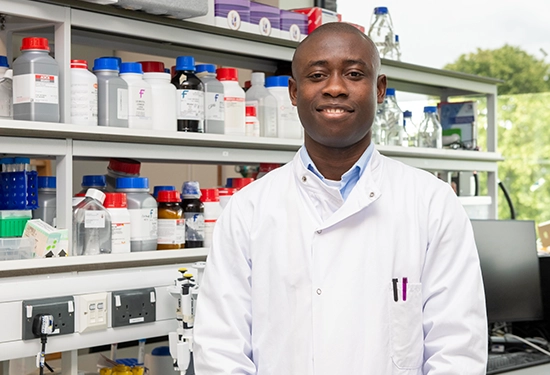 Dr. Joshua N. Awoke, Associate Fellow of the Higher Education Academy (AFHEA), is the fourth recipient of the J. Andrew McKee Fellowship in Type 1 Diabetes (T1D), jointly funded by Breakthrough T1D Canada and the Stem Cell Network (SCN) based at the Breakthrough T1D Centre of Excellence at the University of British Columbia (UBC).
 My research at UBC will focus on the islet prohormones as biomarkers of T1D prediction, prognosis, and response to immuno- and cell therapy. Firstly, insulin and islet amyloid polypeptide (IAPP) are the key hormones produced by islet beta cells.
 Receiving a diagnosis of type 1 diabetes (T1D) for your child can be an overwhelming time for parents. Learning to manage the disease and adjusting to the new normal can bring significant stress to a family. And even when a family has adapted to life with T1D, new stages in school can bring with them additional stressors.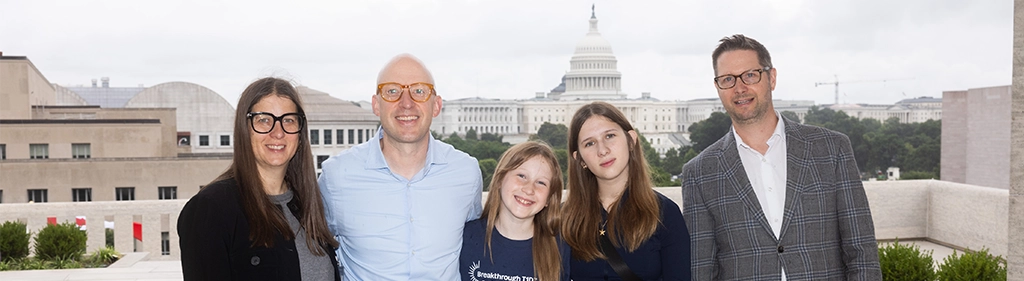
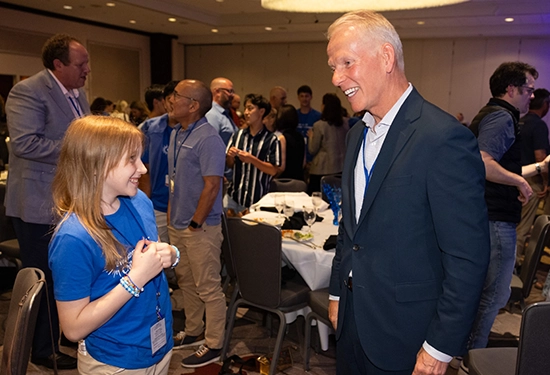 The role models she met with, the relationships she made, and the skills she developed at the Children’s Congress will all stay with her as she continues to advocate for the T1D community in the future.
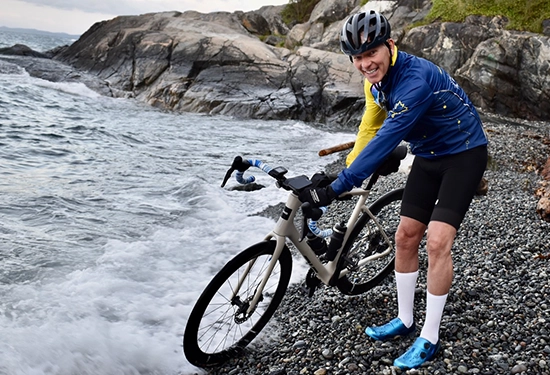 On May 3, Matt Varey, a longtime volunteer with Breakthrough T1D Canada (formerly JDRF) and current Co-Chair of the Breakthrough T1D International Board, began a 61 day, 7400km+ journey to cycle across Canada. At 61, Matt had recently retired from a long career with RBC and though he has no personal connection to type 1 diabetes, he has become a passionate advocate over the past 20 years for Canadians living with T1D. Matt’s goal was to raise $500,000 and he surpassed it, raising over $535,000 and counting.
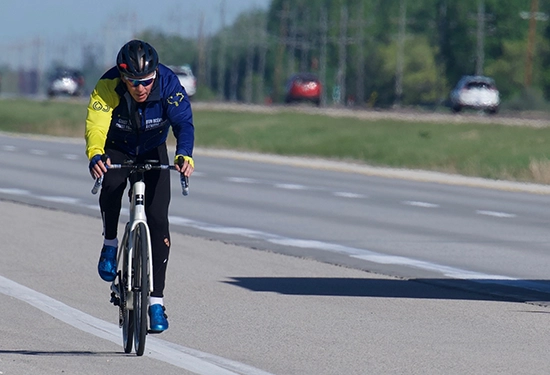 And then on the other side of that – I was surprised by how noisy society is. The constant noise of being so close to cars, transport trucks, so close to you all day. You could sense they were coming closer before they did or feel the respect and distance they might give because I was on a bike. You pick up societal noises so much more.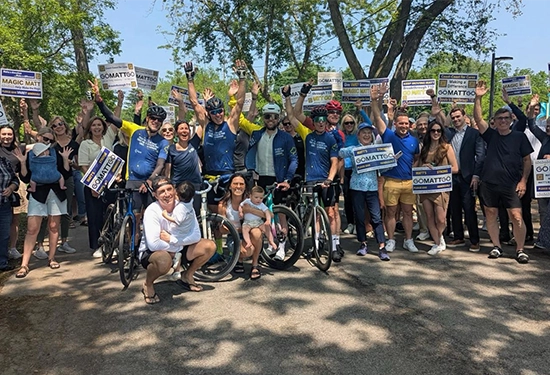
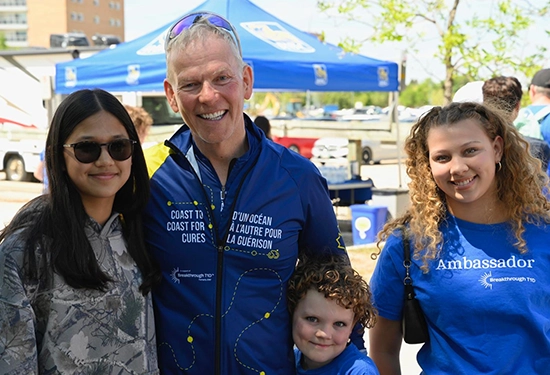
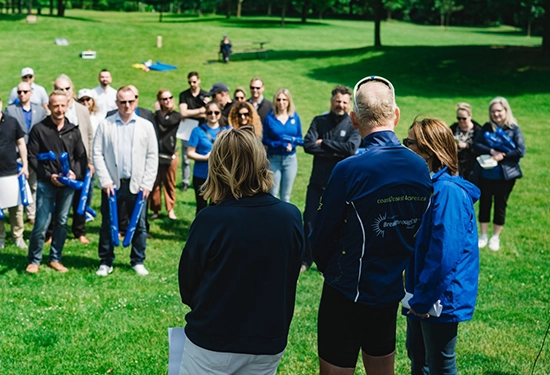
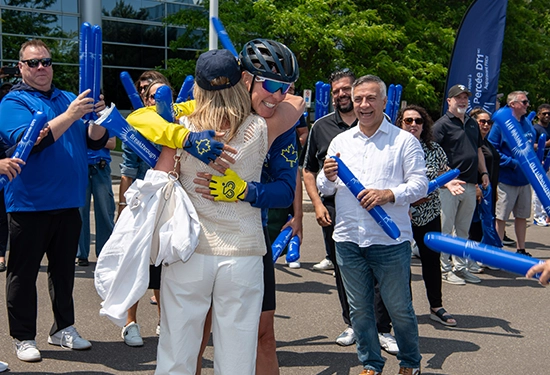
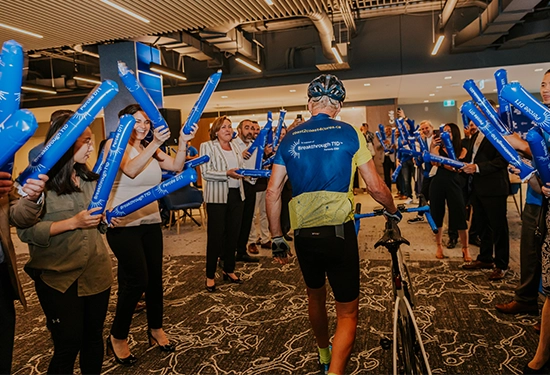
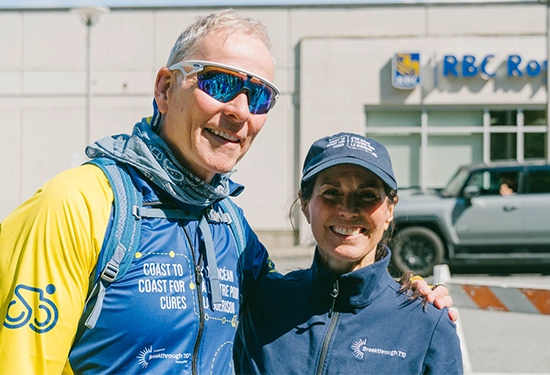
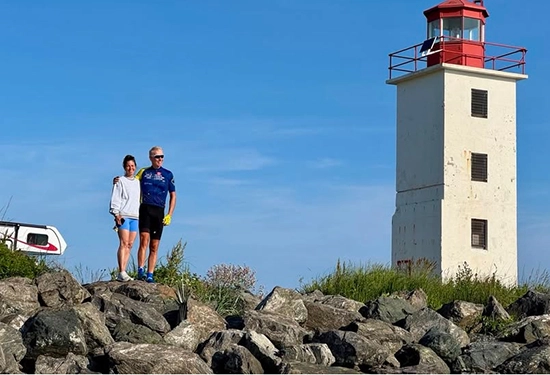
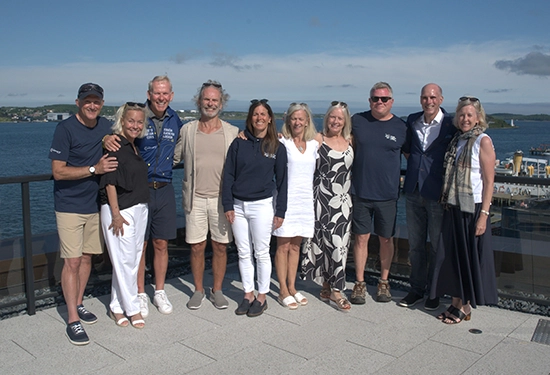
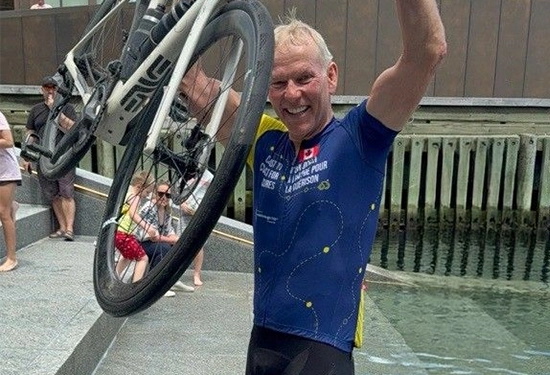 This journey changed me. It made me look at things even more positively. We live in such a remarkable country, which is so kind and so beautiful in its soul. I could only experience that beauty by seeing it replicated over and over – in small towns, in big cities, in bike shops, pastry shops, restaurants, anywhere we went. The circulatory system of this country just pumps decency everywhere. I feel blessed to have experienced it and my gratitude can’t be properly expressed.

 Doctors said: ‘Set alarms.’ So, I did—alarms for insulin, meals, blood sugar checks. They didn’t work.
 For so long, ADHD felt like an enemy. It made diabetes harder. It made me fail. It made me feel reckless and irresponsible.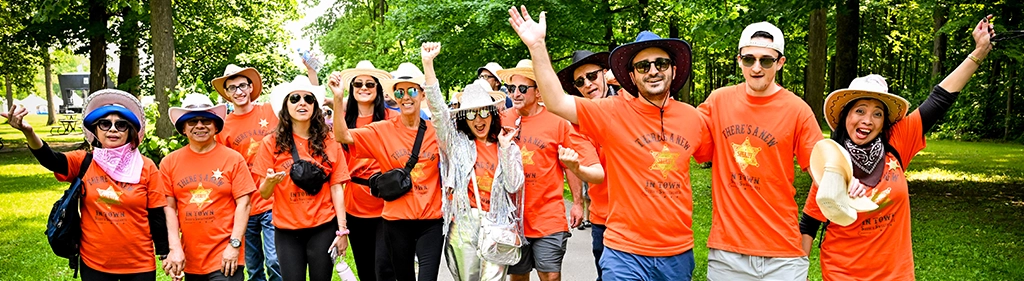
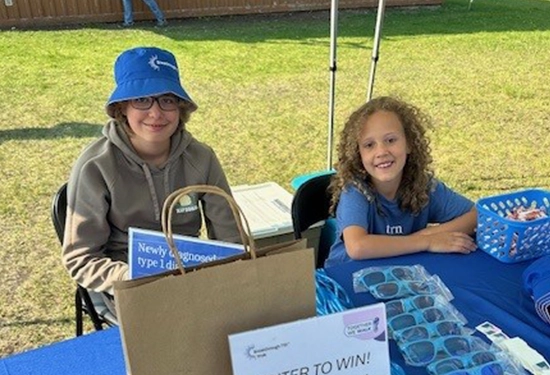
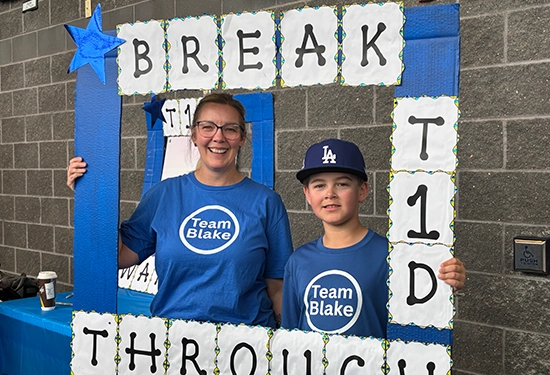
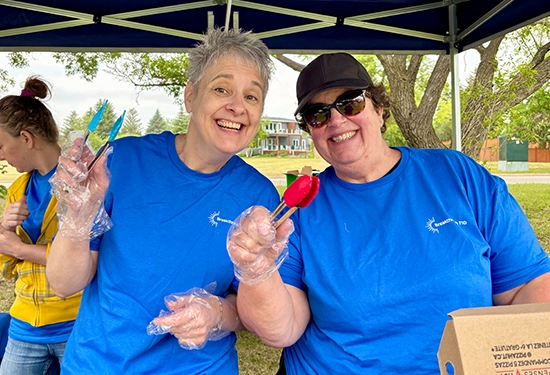
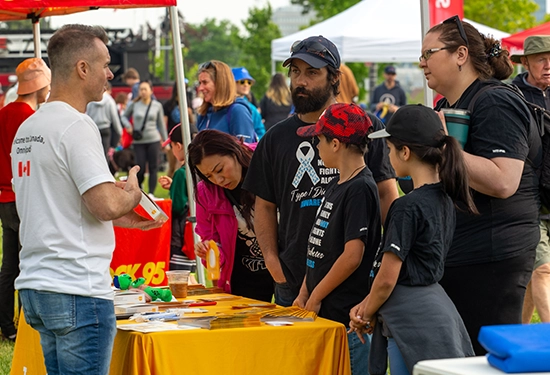
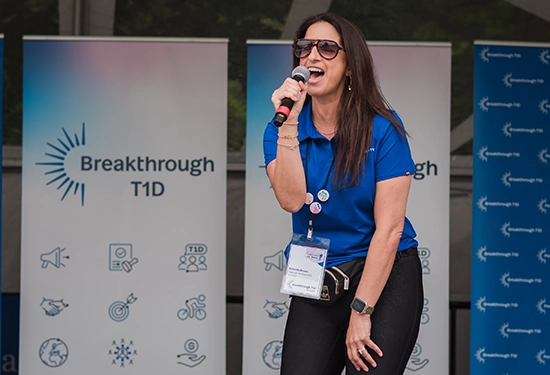


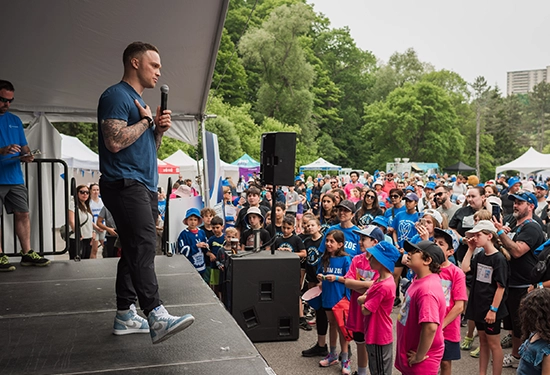
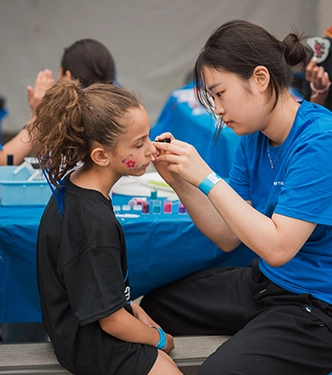


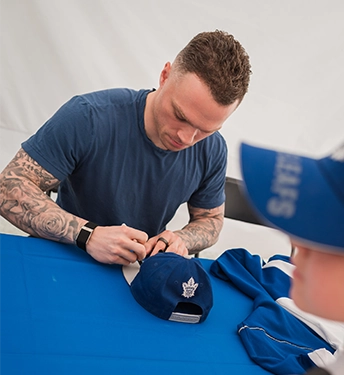
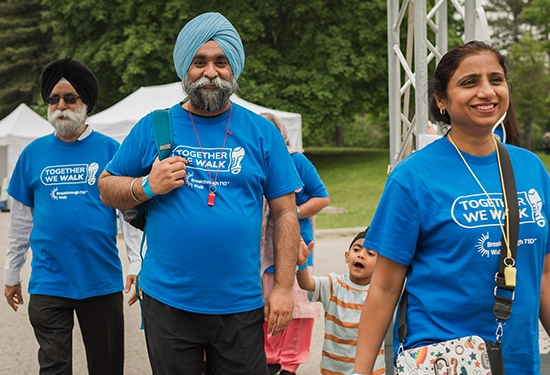
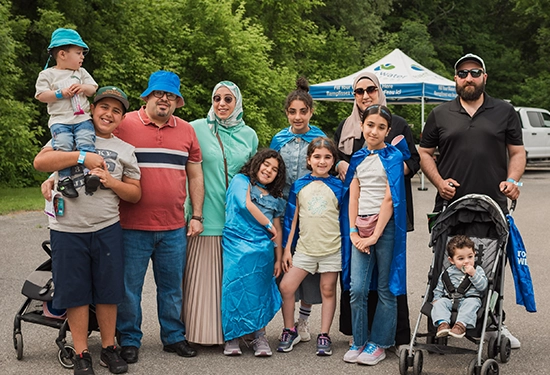
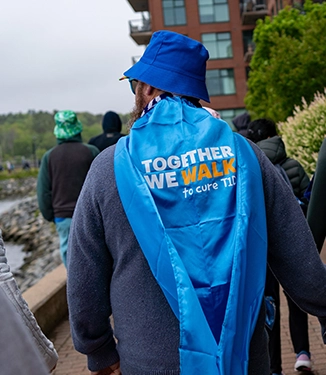

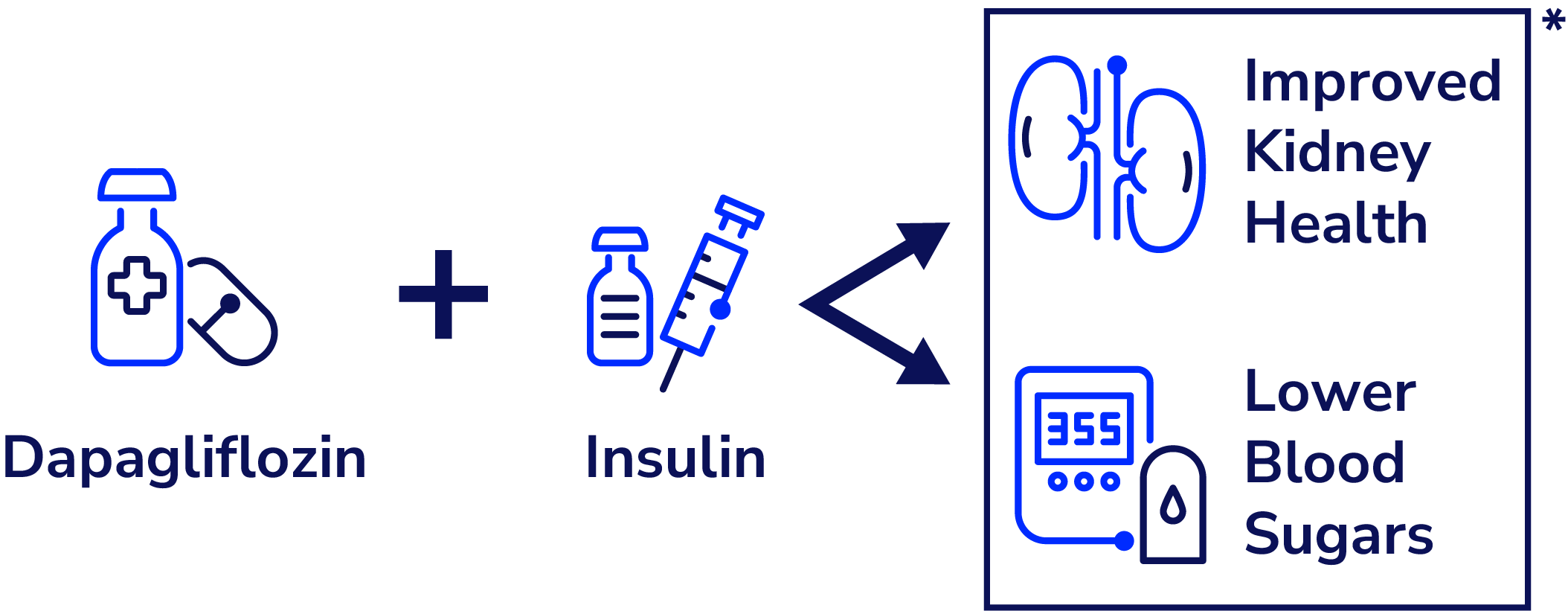
 Kendra Fisher is a former member of Team Canada’s hockey program, a 3x world inline hockey champion, and a firefighter. She is also the Founder of Mentally Fit; a professional speaker, a mental health coach, and an author in the making. Kendra may be best known for her hockey career, and for making the life-altering decision to step away from her dream of playing for Team Canada in order to manage diagnoses of Generalized Anxiety Disorder, Panic Disorder, Clinical Depression, Agoraphobia, and OCD.
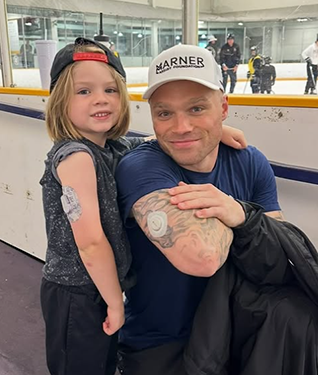 The surreal part was that those were the only symptoms; excessive thirst and urination. He was otherwise his normal, happy, outgoing self. They got him on an IV right away and started titrating insulin. It was all happening so fast, trying to understand what was going on while still in complete shock.
 Through the lens of mental health, I’ve learned that it’s okay to say, “This sucks sometimes.” Bodhi doesn’t always want the attention that comes with being different; asking a parent to enter carbs when a friend offers a snack or navigating insulin doses at events. That constant spotlight can be hard for a kid.
 Initially, I was a newspaper reporter, and I did share with the two colleagues who I worked closely with, they needed to know I had this condition, that I might need sugar, that I was having frequent doctor’s appointments. I didn’t let management or bosses know, however. My thought process was that it was going to be an impediment to my career success, that it would be seen as a weakness, or a vulnerability. And that it might be a reason not to promote me to the next level.