A historic moment for Quebecers living with type 1 diabetes: Looking back at the Autour du diabète de type 1 event

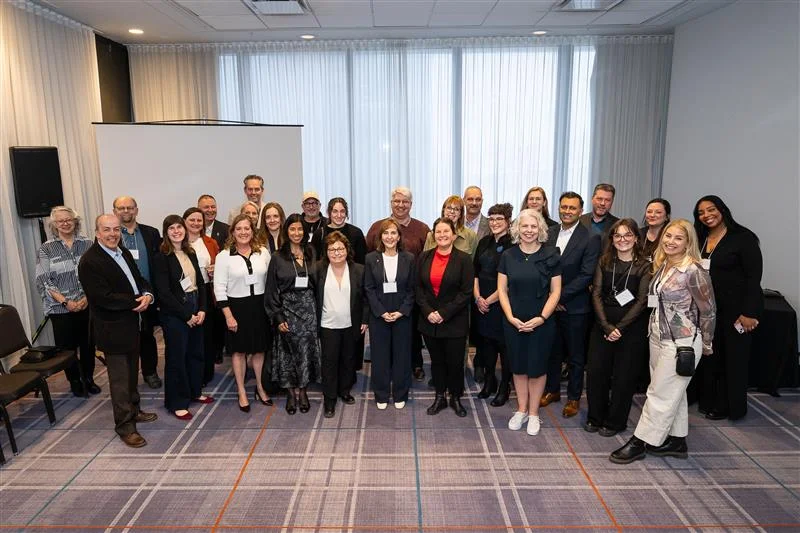
On March 17, at the Hilton Québec people from throughout the type 1 diabetes (T1D) community in Quebec gathered for an important advocacy event.

Jointly organized by Breakthrough T1D and Diabetes Québec, the Autour du diabète de type 1 event brought together for the first time in several years, Quebec diabetes organizations, as well as patients, clinicians, researchers, elected officials, and several industry partners.

More than just a gathering, the evening became a true collective call for justice, equity, and change—voiced together, in unity, and directed at decision‑makers within the Quebec government.

This atmosphere was warm and supportive, and reflected the diversity and strength of those in attendance:

  • Manon Lalonde and Anne‑Frédérique Simard, two women living with type 1 diabetes
  • Representatives from the medtech industry, including Abbott, Dexcom, Insulet, Medtronic, and Tandem, who came to express their support for the community
  • Staff members from Breakthrough T1D and Diabetes Québec
  • Members of parliament and key players within Quebec’s healthcare system

All were united around a clear objective: to end age‑based discrimination for insulin pump coverage in Quebec.

Heartwarming stories shared in support of an important cause

The central moment of the evening was unquestionably the conversation with Anne‑Frédérique Simard and Manon Lalonde—two individual life journeys but with one shared disease.

By sharing their stories, they brought the discussion back to what truly matters: human experience. With vulnerability and courage, they shared about:

  • Their diagnoses, one in childhood and the other in adulthood
  • The financial injustice faced when diabetes device coverage ends or is denied
  • The psychological impact of a living with T1D, a disease that is 24/7 with no breaks or time off
  • The immense burden created by unequal access to life‑sustaining and enhancing diabetes technologies

Their final message resonated deeply with the attendees:

“Access to insulin pumps should be a right, and their use a choice, regardless of the age at diagnosis.”

There was nothing more to add. Only to listen, and act.

A unified voice: organizations speaking together to advocate to Quebec’s provincial government

For the first time, there was public and powerful demonstration of unity among Quebec and national diabetes organizations with a shared goal.

Kim Hanson, Chief of External Relations, and Kim Lacombe, Chief Development Officer of Breakthrough T1D, represented the organization, and demonstrated their commitment to seeing through a change in the current inequitable access to insulin pump coverage in the province.

A particularly striking moment was the joint address by Kim Hanson and Susana Lazzaro, the new CEO of Diabetes Québec. Standing side by side, they delivered a powerful message: divisions no longer belong here, the community is united, the asks are clear: the time for change is now.

They reminded everyone of a simple truth that is sometimes forgotten: behind every administrative decision, every regulation, every delay, there is a person. There is a life affected.

And for people living with T1D, those decisions can mean the difference between more stable T1D management or unnecessary challenges. Patient choice is paramount, and every individual with T1D must be able to make their own decisions regarding their management.

Clear, essential, and urgent political asks

The presentation on advocacy priorities highlighted two requests:

  • That the Government of Quebec expand access to insulin pumps and their supplies for adults living with type 1 diabetes or latent autoimmune diabetes in adults (LADA)
  • That the Government of Quebec modernize RAMQ processes so approvals are faster, simpler, and ensure continuity of insulin therapy

The message was clear: Quebec can do better. And that Quebec must do better—as the only province in Canada that does not cover insulin pumps for people diagnosed with type 1 diabetes after the age of 18, this inequitable practice needs to change.

A resounding success—and a beginning, not an end

The evening concluded with a renewed spirit of mobilization and openness. Discussions were honest, human, sometimes emotional, but always driven by a shared vision: to build a Quebec where access to healthcare no longer depends on age.

The March 17 event planted something powerful. That the community is strong and that we know the solutions exist.

The next step is for Quebec to end age-based discrimination to diabetes technologies and provide every person living with type 1 diabetes with the tools they need to live fully, healthily and safely.

Closing thoughts

For everyone present that evening, a singular theme emerged: that collectively we witnessed a turning point, and this is a movement that goes beyond individual organizations.

Together, we started working towards needed change, and this event was only the beginning.

If you would like to add your voice to this important movement, you can support our advocacy efforts by signing the petition here.


Supporting mental health in adults living with type 1 diabetes

At Breakthrough T1D Canada, we know that living with type 1 diabetes (T1D) is about far more than managing blood glucose levels. Mental health is critical, and T1D affects a person’s emotional, social, and mental well-being throughout their lifetime. Beyond that, people with T1D are at higher risk of mental health disorders including depression, anxiety and disordered eating. These challenges are common among people with T1D and can be treated — but they are often underappreciated or undertreated because of gaps in care and support. Guided by community input, lived experience, and emerging research, our approach aims to raise awareness, reduce stigma, and expand access to meaningful mental health supports for people living with T1D across Canada.

While much of the public conversation around T1D focuses on children and youth, adults with T1D — the majority of the T1D population — face unique and often underrecognized challenges. From the constant cognitive load of daily decision-making to navigating work, relationships, caregiving responsibilities, and long-term health concerns, adults with T1D carry a significant mental and emotional burden. Feelings of burnout, isolation, anxiety, and diabetes distress are common, yet too often go unspoken or unsupported.

Last year, Breakthrough T1D Canada took an important step forward with the release of a video series on our website highlighting the lived mental health experiences of adults with T1D . The series created space for honest conversations and helped shine a light on stories that deserve to be heard.

Building on this momentum, we are excited to announce a new partnership with You’re Just My Type, a nonprofit dedicated to supporting the mental health of people living with T1D through in-person events, resources, and community-building. You’re Just My Type is unique in its focus on reaching underserved areas by hosting free community gatherings in cities across the United States, creating welcoming spaces where people living with T1D can connect, share, and feel understood — regardless of their differences. These gatherings foster understanding, belonging and resilience, by addressing the mental and emotion weight of diabetes.

This partnership will bring You’re Just My Type to Canada for the first time, recognizing the need for initiatives like this and our shared priorities in the importance of fostering social connection and bonding to improve mental well-being. With a proven track record, we know Canadian adults living with T1D will love the in-person and virtual opportunities to take part in these initiatives! Laura Pavlakovich, founder of You’re Just My Type and a person living with T1D was inspired to create the organization. Having lived with the condition for nearly her entire life, she found that the mental toll can often be heavier than the physical.

Laura’s background is in photojournalism, a path that took her all over the world and ignited her passion for storytelling and human connection. In 2016, she began combining these two worlds — photography and T1D — to share the stories of the T1D community. That work eventually grew into You’re Just My Type, where they now focus on building mental-health-centered, peer-led spaces for those living with this condition.

Looking ahead, hosted by YJMT in partnership with Breakthrough T1D will be free, in-person mental health events for adults with T1D, taking place in Vancouver on Saturday May 30, in Toronto later this year, and an online event in the fall. Follow Breakthrough T1D Canada and You’re Just My Type on social media for registration details and updates.

Together, we’re working to ensure no one faces the mental health challenges of T1D alone.

Update on clinical trials to study the efficacy of baricitinib as a disease-modifying therapy for T1D

UPDATE: March, 2026 

Two new Phase 3 clinical trials to study the efficacy of baricitinib as a disease-modifying therapy for T1D. 

Baricitinib is a JAK inhibitor that interferes with signaling pathways critical to both immune cells and beta cells. This drug has the potential to extend the “honeymoon period” of T1D, meaning that it could preserve remaining insulin-producing beta cells earlier in disease progression. More beta cells mean better blood sugar management—and potentially reduced long-term complications. 

Following very promising results from a Breakthrough T1D-funded Phase 2 study of baricitinib in newly diagnosed individuals with T1D in Australia (see full study write up and results below), Eli Lilly and Company are now launching two new Phase 3 clinical trials. These new international trials will include locations in Canada – click the links below to find out where the studies are recruiting: 

BARICADE-DELAY 

  • Purpose: To determine if baricitinib can delay the onset of clinical stage 3 T1D in people who are at high risk 
  • Eligibility: Must be between one and 36 years old and be in stage 2 T1D 
  • Primary outcome: Time to diagnosis of stage 3 T1D 

BARICADE-PRESERVE 

  • Purpose: To determine if baricitinib can preserve beta cell function in people with newly diagnosed T1D 
  • Eligibility: Must be between one and 36 years old and diagnosed with stage 3 T1D within the last 100 days 
  • Primary endpoint: C-peptide preservation (a measure of insulin production) 

To learn more about the trials and eligibility: BARICADE-PRESERVE and
Baricitinib (LY3009104) for the Delay of Stage 3 Type 1 Diabetes in At-Risk Children and Adults

***

Insulin, administered either by pump or multiple daily injection, remains the only available treatment for type 1 diabetes (T1D). Breakthrough T1D is aiming to change that and move beyond insulin by accelerating the development of medicines that prevent, delay, or reverse T1D by targeting the autoimmune response, beta cells, or both. Supporting studies that explore how drugs may preserve beta cell function is key to our disease-modifying therapies portfolio.

In a Breakthrough T1D-funded clinical trial, published in the renowned New England Journal of Medicine , Thomas Kay, M.B.B.S., Helen Thomas, Ph.D., and others demonstrated that baricitinib—a small molecule that blocks Janus Kinase, which is critical to signaling pathways within both immune cells and beta cells in T1D—preserved beta cell function in the disease.

The BANDIT study investigated the use of baricitinib, a treatment already approved by Health Canada for other autoimmune diseases like rheumatoid arthritis, in newly diagnosed T1D individuals. This JDRF-funded study was funded by JDRF and JDRF Australia and conducted at St. Vincent’s Institute of Medical Research in Australia. The study was conducted after years of research by Thomas Kay and others, as well as important work by JDRF advocating for Eli Lilly to provide the baricitinib for the study.

Study Overview

  • Participants were between 10 and 30 years old and began taking baricitinib within 100 days of diagnosis
  • Participants either received baricitinib or a placebo drug
  • The study ran for 48 weeks, and results were analyzed at 12, 24, 36 and 48 weeks
  • The primary outcome was average C-peptide (a measure of how much insulin is still being made by a person’s own beta cells) following a standard meal at week 48
  • Secondary outcomes were HbA1c (average glucose level over a 2–3-month period), insulin use, and continuous glucose monitor (CGM) measures

Results

In 60 newly diagnosed children and young adults, baricitinib:

  • Preserved insulin production, as estimated by C-peptide
  • Improved blood-glucose variability (blood glucose levels were more stable) and time-in-range (the percentage of your day within your set blood glucose targets), using a CGM
  • Decreased the requirement for external insulin
  • Was well-tolerated by the participants

The effect of baricitinib was achieved using a single daily oral tablet, and it’s the first immunotherapy trial to suggest a benefit on CGM measures. (Verapamil, a once-a-day tablet approved for blood pressure management , also preserved beta cell function, but without improvement in CGM measures or insulin requirement.)

What comes next?

Currently, baricitinib is approved for the treatment of rheumatoid arthritis in adults in Canada. It is not however a Health Canada approved therapy for people with T1D. Breakthrough T1D has multiple lines of inquiry to make sure that this and other disease-modifying drugs get to the hands of people with T1D . There are several clinical trials that Breakthrough T1D is exploring to see if baricitinib can be effective if used in conjunction with other therapies, such as Tzield™ (teplizumab-mzwv) or verapamil.

What does this mean for people with T1D?

These promising results show that this drug can extend the honeymoon period (the phase in early type 1 diabetes development where the body is still producing some of its own insulin), but more studies are needed before it can become available to the T1D community. As this drug is already approved for use in rheumatoid arthritis (RA) in Canada, the path to its potential use in T1D may be more rapid. Studies that explore the use of disease-modifying drugs, such as baricitinib orustekinumab, in another Breakthrough T1D-funded trial currently recruiting in Canada, are key to helping Breakthrough T1D address the autoimmunity behind T1D.

This treatment is not currently available in Canada for people with T1D, but Breakthrough T1D Canada will share further updates and results as they become available.

Cell therapy first: transplanted islets working without immuno-suppressives

On Jan 7, 2025 (Sweden)Sana Biotechnology released significant clinical data: the first person with type 1 diabetes (T1D) who received deceased donor islets engineered to evade the immune system is producing insulin without immunosuppression.

UPDATE: March, 2026

At the Advanced Technologies & Treatment for Diabetes international conference held in Barcelona, Spain Per-Ola Carlsson, M.D., Ph.D., presented updated results from a Sana’s clinical trial involving a novel cell therapy approach designed to help transplanted islet cells evade immune attack via gene editing while continuing to produce insulin.

 After 60 weeks, the single participant has reported no severe or unexpected adverse events, meeting the trial’s primary safety endpoint. At 14 months after transplantation, the participant continued to produce detectable C-peptide, indicating that the transplanted cells remained alive and functional.

Researchers also observed that C-peptide levels temporarily declined after about one year, likely due to beta cell exhaustion, but subsequently recovered. This is an encouraging signal that the transplanted cells may be capable of regaining function.

While still very early, these findings provide important proof of concept that gene-edited, immune-evasive islet cells can survive and function in a person with T1D. If confirmed in larger studies, this approach could help move the field closer to cell therapies that work without long-term immune suppression—a major goal for the future of T1D cures.


UPDATE: June 23, 2025
Sana Biotechnology presented updated data on June 23, 2025 at the six-month follow up timepoint. The single patient dosed with hypoimmune donor islets continues to produce insulin in response to a mixed meal tolerance test (MMTT) without the use of immunosuppressants. 

The details

This is a big step for cell-based therapies for potentially curing T1D. Sana’s first-in-human study consists of allogeneic islets, meaning they are derived from an external source, which in this case is the pancreases of deceased donors. These islets were engineered to avoid recognition by the immune system (hypoimmune) and were implanted intramuscularly into a person with T1D. After four weeks, circulating C-peptide increased, meaning that the beta cells are alive, healthy, and producing insulin—all without the need for immunosuppression and no safety issue. This is the first evidence of engineered islets successfully avoiding immune destruction.

What this means for the T1D community

While this is an incredibly promising step forward for the T1D community, to have allogenic cells survive without the use of immunosuppressants, this trial relied on deceased donor cells, of which there will never be enough to provide to everyone living with T1D.  The trial was done in a single participant and is reporting only 4-weeks of data – this is a proof-of-concept study that is promising but very preliminary.

What’s next: lots to look forward to

Breakthrough T1D believes that the best chance for T1D cures lies in stem cell-based therapies since deceased donor islets are in short supply, while stem cell-derived islets can be produced at scale. Engineering cells to evade immune attack is a new path forward to protect the insulin-producing beta cells and avoid the use of immunosuppressants. Most importantly, this technology is being studied to apply to stem cell-based therapies, which is a scalable solution for many more people with T1D. This hypoimmune technology moves us closer to the possibility of having enough immune-evading cells for everyone with T1D.

Another trial is in progress testing a similar approach (CRISPR) in Canada – https://clinicaltrials.breakthrought1d.ca/clinical-trial/NCT05565248

While this approach will take significant time, effort, and money, every day we take another step toward a possible life-changing T1D cure. 

Breakthrough T1D’s Role

The primary objective of Breakthrough T1D’s beta cell replacement efforts is to place insulin-producing cells into people with T1D without the use of immunosuppressants. Breakthrough T1D strongly supports the development of stem cell-based therapies that do not require broad immunosuppression and Breakthrough T1D International based out of the US recently launched an initiative to accelerate this faster than ever (Project ACT – Accelerate Cell Therapies). To contribute to the advancement of these game-changing therapies, the T1D Fund: A Breakthrough T1D Venture invested in Sana recognizing that their hypoimmune engineering technology held significant promise for T1D cell therapies. We look forward to seeing how the trial progresses.

New partnership will connect Indigenous Canadians with type 1 diabetes to necessary resources and support

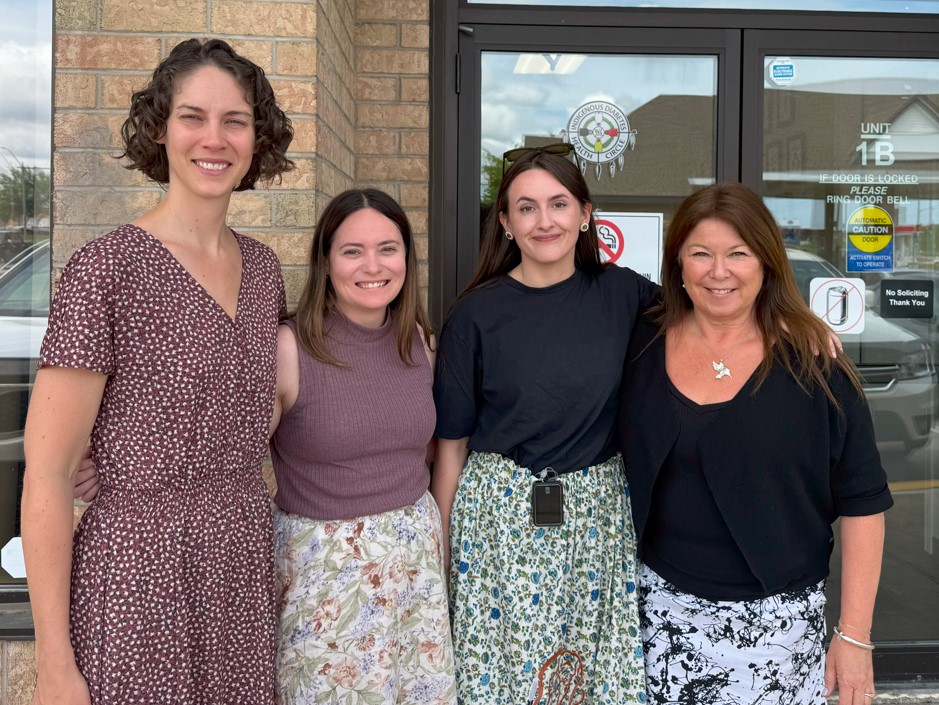
From left to right: Breakthrough T1D Canada staff members Lara Green and Lauren Germain, along with Justice Maki-Chambers and Roslynn Baird, Client Services Administrator, and Godrihwasido (Cayuga “Overseer”), Executive Director of IDHC respectively.

Breakthrough T1D Canada is partnering through a community grant to the Indigenous Diabetes Health Circle (IDHC) to help to address an unmet need with Canada’s Indigenous T1D community.

The grant will help support the development of community informed resources for Indigenous Canadians living with T1D.

Breakthrough T1D had the opportunity to speak with Justice Maki-Chambers, the lead on the project about how it came about and will roll out to improve support and health outcomes for Canada’s Indigenous T1D communities.

Tell us a little bit more about yourself

My name is Justice Maki-Chambers, and I’ve been working as an Eye Health Lead at IDHC for about 3 years. Our Eye Health program focuses on culturally informed approaches to diabetic retinopathy screening in Indigenous communities, in partnership with Vision Loss Rehabilitation Canada (VLRC). On a personal note, I was diagnosed with T1D when I was 16 years old, nearly 10 years ago. Like it is for most people, it was a hard adjustment. This shaped my passion for diabetes education and community-centered health education. Much of my work is grounded in building relationships, supporting self-determination in health, and making sure people have access to the tools they need to stay well.

How did you get involved with IDHC?

When I was working through my Public Health degree at Brock University, I frequently passed IDHC’s head office on my way to and from campus. I had remembered thinking “I am going to work there one day”. Years later, when I was nearing the end of my degree and needed a practicum, I reached out to see if there was any work I could do. Luckily for me, there was. This grew into a contract position within the Client Services Team, and then to a permanent position working on the Eye Health Screening Initiative. IDHC’s commitment to diabetes prevention and management, holistic wellness, and culturally grounded health education is something I’ve admired for a long time, and I am proud to now be a part of.  It’s been humbling to contribute to a space where everyone works so tirelessly to uplift Indigenous wellness and create meaningful, lasting change.

Tell us a little bit more about how the IDHC plans to use the community grant to forward the needs of Indigenous diabetes communities in Canada

IDHC has plenty of resources regarding type 2 diabetes, pre-diabetes and gestational diabetes. While these resources can still be beneficial for people living with T1D, there are still important differences to consider, and we would like to support Indigenous individuals living with T1D in the same capacity. We have also had an influx in requests for T1D specific education due to a higher rate of T1D diagnoses in the past few years. 

With this community grant, we have developed a Committee of Indigenous people with lived and loved experience to guide the project. We have been doing call outs to have others who live with T1D or are a caregiver of someone who has T1D be interviewed by our committee to hear what kind of resources are actually going to be useful. Once the interviews and surveys are complete, we will use them as a guide to create said resource. Ultimately, we are hoping to create a culturally grounded, accessible and practical and community-informed resource to better support Indigenous people and families living with T1D.

Any further message you want to share with the Canadian T1D community?

As we all know, living with T1D means constantly adapting, learning, and advocating for yourself and others in the T1D community, and this dedication does not go unnoticed. Everyone’s journey with T1D is a little different, but at the end of the day, we all deserve care that respects who we are, where we come from, and the strengths we carry. We deserve access, understanding, and resources that shift with us through our journeys. Chi Miigwech (Thank you) to everyone who has lived with diabetes and has fought for these resources and advancements to make our lives better and thank you to everyone who comes after us to continue this important work.

Surveys to help inform the development of these new materials and resources are available below:

Survey for Indigenous people living with T1D and their caregivers 

 https://soadi.wufoo.com/forms/s1nee8th050bbl5/ 
 
Survey for community health workers and healthcare providers with Indigenous patients living with T1D 

https://soadi.wufoo.com/forms/swkly7c1wvmhaz/

Finding her strength: Fitness coach Danica Doble shares in her own words

Danica Doble, a fitness coach and content creator who has been living with type 1 diabetes (T1D) since 2009 recently partnered with Breakthrough T1D Canada as a social media ambassador. She sat down with the organization to share more about her journey, and why she’s so open about how teenage struggles living with T1D empowered her to become a fitness trainer and passionate advocate for the T1D community.

Content warning: please note this piece discusses eating disorders

What do you remember about your T1D diagnosis?

I remember being a seven-year-old little girl and experiencing all of the vicious symptoms that come along with a type 1 diabetes diagnosis. It was a Monday night, and I was at gymnastics practice. Immediately after practice, my mom got a phone call from my doctor stating that I needed to go to the hospital because I had just been diagnosed with T1D. For the next five days, I spent eight hours in the hospital each day and my parents learned everything they could about T1D. Back in 2009, type one diabetes wasn’t talked about much, so my parents really didn’t know what to expect. I remember playing with all the toys that they provided in the hospital and thank goodness for my parents for being attentive, because I most definitely was not. I returned to normal life after those five days, not knowing what was happening to me, not knowing why my parents had to poke my finger and poke my arm every time I wanted to eat. However, as hard as that week was, that week is the reason that I’m who I am today.

Can you tell us a little about starting your fitness journey, after being an active teenager with T1D?

My fitness journey began in 2018; I was like every other teenager. I played sports. I hung out with my friends. I went to school. To be honest with you, I probably lived too much of a normal life. I neglected my blood sugars throughout my teen years and was definitely not focussed on diabetes management. I partied a little too much at times and had a little too much fun with my friends, however, I definitely don’t regret anything because not only did I experience life, but it also prompted me to start my fitness journey.

Although I was quite active as a competitive soccer player, my nutrition was really something that I neglected. After my trip to Europe in 2018, I had told myself that I just wanted to lose 5 pounds to feel better about myself. I quickly learned about calorie deficits and strength training and began doing things to an extreme. 5 pounds later turned into 50. During this time, I had not only lost too much weight but had also lost my period and had developed two eating disorders. It was at this point that I decided to become the healthiest and strongest version of myself. I put on about 20 to 30 pounds, much of it being muscle, and learned everything you could about working out and nutrition.

Can you share a little about your dual diagnoses and how you manage your binge eating disorder (BED) today

My binge eating lasted for about two years, and it was due to the fact that I had eaten so few calories for so long. There were many days when I felt so out of control with my eating and I would compensate these binges by doing hours worth of cardio the next day. It’s an incredibly vicious cycle and very, very difficult to get out of. After my binges, my blood sugars would be so incredibly high, and it would take them hours if not days to come down then the cycle would repeat itself. Today, I am proud to say that I have been free for five years. I started fueling my body properly and made sure that I was getting enough calories. Although I still struggle at times with overeating I no longer eat until I feel sick, which in my opinion is major progress.

How did you come to have food neutrality?
My relationship with food has been rocky over the years, but I am proud to say that my relationship with food is at an all-time high. I now understand that there are no good or bad foods and food is food. Some foods are more nutrient dense while other foods are less nutrient dense. However, that does not make one better over the other. Sometimes my body craves a chocolate cake while other times my body is craving a bowl of fruit. In my opinion, I believe that all food serves a significant purpose whether it’s food that makes your body feel good, or food that makes your soul feel good. While the way I physically feel matters, so do memories. I’ve come to realize that food will always be a massive part of celebrations and events, and when I’m 80 years old, I want to be able to look back on these memories and remember all of the laughs that were shared over good food, not how little I ate that day or how healthy I was during these events.

How does powerlifting help you feel empowered with managing your T1D, both physically and emotionally?

Weightlifting has done wonders for me not just physically, but emotionally too. Not only has it significantly helped my blood sugars, but it helped me in so many other aspects of my life. The empowerment I feel from weightlifting is like no other because it just really goes to show that you can do absolutely anything in your life, even with type 1 diabetes.

How do you use your social media platforms to connect with others in the T1D community

I started my social media platforms in 2022 to mainly focus on the fitness side of things however, after about a year, I wanted to do more. I wanted to make an impact for the T1D community and show people that living with it can have positives. I started my type one diabetes account by posting relatable content and bringing light to dark topics quickly. I was able to grow a substantial following on that account and created a community like no other! I’ve connected with hundreds, if not, thousands of people and it is something I will forever be grateful for. I get tons of messages from people telling me that I’ve helped them, when in reality they’ve helped me just as much.

What are you excited about partnering with Breakthrough T1D Canada?

I’m excited to partner with Breakthrough T1D Canada because of the incredible impact the organization has on the type 1 community. I believe that it’s so important to hear stories and experiences from other type 1s, so people know they’re not alone in their experience & journey.

Anything else you’d like to share with the Canadian T1D community?

I’d like to share with the community that as much as diabetes can suck sometimes, and be incredibly difficult, perspective is everything. Type 1 diabetes has connected me with so many amazing people, and it’s made me strong, courageous, and powerful!

Follow Danica on her IG account @deeabetes

Give to Gain this International Women’s Day 

Sunday, March 8 is International Women’s Day (IWD), celebrated globally and this year recognizing its 115 anniversary. On IWD we are asked to imagine a world that is truly equal. For that to happen, we need a world free of bias, stereotypes, and discrimination. A world that’s diverse, equitable, and inclusive. A world where difference is not only recognized but also valued and celebrated. 

The theme for IWD 2026 is ‘Give To Gain’.  Because, when we give, we gain. 

The IWD 2026 Give To Gain Campaign encourages a mindset of generosity and collaboration and emphasizes the power of reciprocity and support. When people, organizations, and communities give generously, opportunities and support for women increase. Giving is not a subtraction, it’s intentional multiplication. When women thrive, we all rise. 

This theme resonates deeply with Breakthrough T1D Canada, an organization with humble grassroots beginnings, started in the basement of type 1 diabetes (T1D) families desperate to find a cure for their children, but also to raise awareness of what living with this disease is truly like. 

From our beginning, we have both supported women, but even more, have been supported by women. From the mothers who demanded more for their children, and their daughters who became some of the T1D community’s fiercest advocates, and who continue to do so today.  

To our researchers, many of whom are women, and who continue down the path laid by trailblazing women like Dr. Priscilla White, who was an early pioneer in diabetes research and treatment. Dr. Dorothy C. Hodgkin who first discovered the three-dimensional structure of insulin, Dr. Helen M. Free, who along with her husband created Clinistix, allowing people to check their glucose at home, a significant advance in disease management.  

These women played an essential role in advancing understanding of T1D, and the dozens of women researchers we are proud to support today continue this legacy, leading their own critical projects that improve living with T1D and driving us closer to cures. Women researchers can be found in all areas of T1D research, including precision medicine, cell therapy, screening and prevention, disease-modifying therapies, reproductive health and mental health. 

Breakthrough T1D also supports a number of women fellows and post-docs, who are leading the next generation of researchers in all areas of T1D research.   

To our donors, supporters, volunteers and partners who give tirelessly and selflessly so that these researchers can continue their critical work and get us closer to a world free from T1D. Who with all they give, allow other women to thrive in their field and gain the knowledge needed to make living with T1D safer and better today, while they work towards cures for tomorrow. 

To our women-led organization, who are entrusted with the responsibility of stewarding that support with consideration and care.  

We have come a long way since the first International Women’s Day 115 years ago, but there is still so much more work to be done. Breakthrough T1D Canada renews our commitment to ‘Give To Gain’ and continue the important work of creating a gender equal world.

Donate | Donnez