Knowledge is Power. And Sometimes, It’s Time

If the Thiessen family had a motto, it would surely be “knowledge is power.”

“The more you know, the better you understand, the less scared you are, really,” says mom Taryn.

That belief has shaped how they’ve lived with type 1 diabetes (T1D); not as a distant risk, but as something woven into the fabric of their family. Jack’s younger brother, his father and his grandmother all have T1D. The Thiessen family has years of lived experience, with which comes hard-earned knowledge.

So when Jack was first screened through TrialNet in 2015, it didn’t feel extraordinary. It felt like something anyone with a similar family history would do, especially understanding what’s at stake.

While the Thiessens went into screening expecting the worst and hoping for the best, what they didn’t expect was how long they would spend waiting.
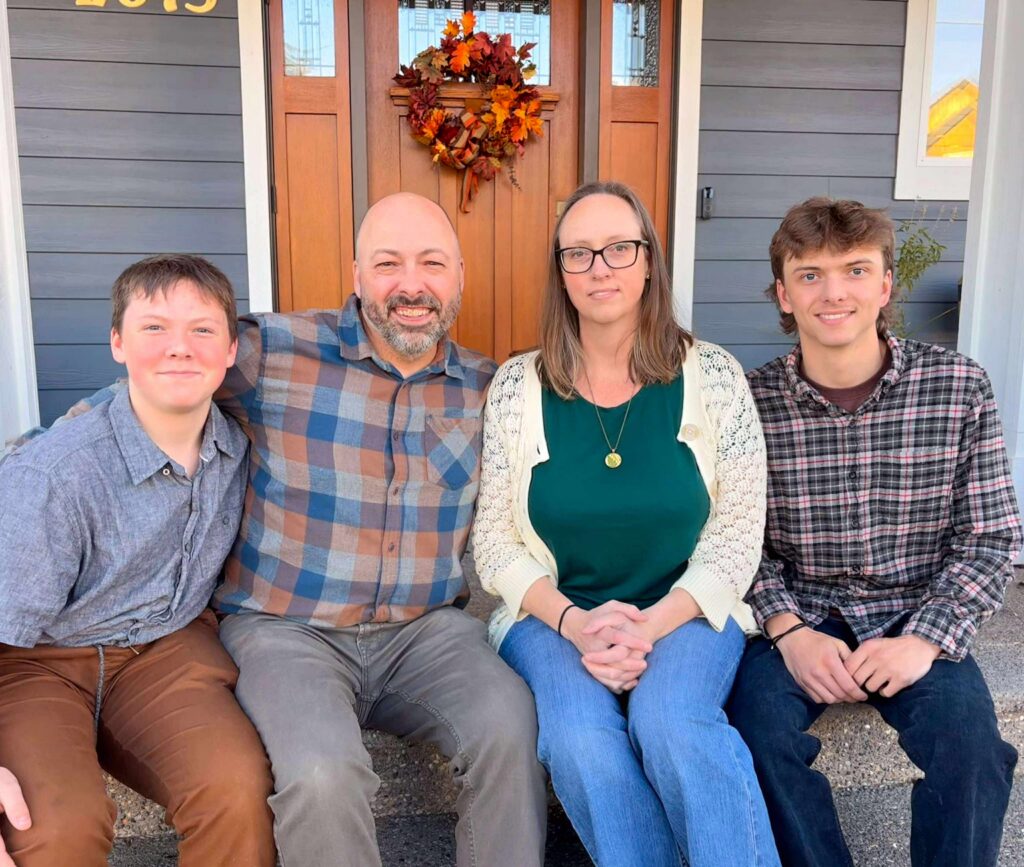
Thiessen family photo
The Thiessen family

Living in the in-between

Jack’s results showed autoantibodies – early signs that the immune system had begun attacking the insulin-producing cells in his pancreas.

By 2019, he was in Stage 1 T1D, meaning the process had clearly started, but his blood sugar levels were still normal and he felt like his usual self.

“And so, we were just waiting,” says Taryn. “We thought within weeks he’s going to be diagnosed. And then it just kept not happening.”

It was during this period that the Thiessens discovered that waiting is its own kind of work.

It’s watching for symptoms. It’s checking blood sugar periodically. It’s learning what to look for and living with the knowledge that something is changing, even if nothing feels different yet.

Over time, things shifted. By the summer of 2025, Jack had progressed to Stage 2, where blood sugar levels begin to rise outside the normal range but are not high enough yet to cause symptoms or require insulin.

Still no diagnosis. Still no insulin. Still no moment the Thiessens could point to and say: this is when everything changed.

Just the quiet awareness that it would.

A decision measured in years, not days

When teplizumab was approved in Canada in May 2025 – the first therapy shown to delay the onset of clinical T1D by an average of two years – it offered something the Thiessens hadn’t had before: a way to buy Jack more time without diabetes. But getting access to this new therapy was challenging. So it was exciting when, a few months later, Jack was offered the chance to receive this new treatment.

“There was a lot of hesitation,” says Taryn. “But once we started talking about it more, we were kind of looking for the reason not to.”

They did what many families do when the stakes are high: they spoke to doctors, read deeply, watched others’ experiences and talked about what they learned.

In the end, their decision came down to what those extra years free of T1D might mean for Jack, and for the family as a whole.

“There’s a huge benefit to extending his non-diabetic time for a couple of years,” says Taryn. “See, he’s 16… He’s going to have some big changes anyways. So to not have diabetes in that mix for as long as we can is a beautiful thing.”

Fourteen days now for the gifts of years later

In spring 2026, Jack spent 14 mornings at BC Children’s Hospital. Each day followed the same rhythm: infusion, monitoring, waiting, going home. The side effects were mild; some nausea and fatigue.

“By the end,” says Taryn, “he was getting a bit antsy. Ready to go home.”

But when it was finally over with, it felt a bit anticlimactic.

“I think I feel the same,” says Jack. “It wasn’t like nothing had happened. But after we got home, life just kind of went back to normal.”

That’s part of what makes this moment different from the stories we’re used to hearing. No urgent diagnosis. No hospital crisis. No clear “before” and “after.”

Just a possible shift in when diabetes will arrive for Jack.

The power of knowledge

The Thiessens are quick to acknowledge something else: they were able to make this decision because they had access. Access to screening. Access to information. And access to a program that called when treatment became possible.

But that is not the reality for most people.

Only about 15% of people diagnosed with type 1 diabetes have a family connection, the main pathway for screening in Canada. That means most families don’t know they’re at risk for developing T1D until symptoms appear, often suddenly and dangerously.

“Too many people are in full DKA[1] before they have any clue,” says Taryn. “It’s heartbreaking to see the long road many people have to take to get their diagnosis.”

This is where the story shifts from one family’s experience to a broader truth: knowledge is powerful, but only if you can access it.

What time makes possible

Today, life feels steady.

“Back to normal, other than I’m more aware,” says Jack. “And it’s a good feeling.”

There is still monitoring ahead. More check-ins to attend and a heightened sense of vigilance.

But there’s also something precious: time.

Time to finish school.
Time to become more independent.
Time for a family to prepare – not in crisis, but deliberately.

When asked what they would tell someone in Stage 2 today, the Thiessens’ answer comes easily.

“I’d want them to know that there is hope,” they say. “Diabetes is scary, but it’s manageable. And if you do it right, it’ll be OK.”

Why this story matters

Teplizumab is often described as a scientific breakthrough. And it is. But it doesn’t stand alone.

What makes a therapy like this possible is something that comes first: the ability to know T1D is developing before symptoms appear. That knowledge comes from screening.

Screening reveals that T1D often begins long before diagnosis, at a stage when people feel well, but the underlying process has already started. It creates a window where families are no longer caught off guard, and where decisions can be made proactively, rather than in crisis.

Teplizumab builds on that knowledge.

For people like Jack, who have been identified through screening, it offers something new: the possibility of delaying the onset of clinical type 1 diabetes and of holding onto time without the daily burden of managing the disease.

“Screening matters,” says Jack, simply, “because it could save your life.”

Taryns perspective on T1D screening is just as clear.

“It saves family stress. Being proactive is the way to go.”

Together, screening and therapies like teplizumab point to a different future: one where type 1 diabetes is not just treated at diagnosis, but anticipated, understood, and, when possible, delayed.

But that future depends on access. Because without screening, families never get the chance to make these choices at all.

That’s why Breakthrough T1D is working to expand access to screening for people across Canada — so more families can know earlier, prepare sooner, and avoid preventable medical emergencies like DKA.

If you want to help make that future possible, you can add your voice as an advocate.


[1] Diabetic ketoacidosis (DKA) is a potentially life-threatening condition that occurs when a severe lack of insulin means the body cannot use glucose for energy and starts to break down fat instead. Organic compounds called ketones are the by-product of the breakdown of fat and, if left unchecked, can build up and cause the blood to become acidic.
The 2026 Breakthrough T1D Walk Season: Celebrating a Community in Motion

The final steps have been taken, the fundraising totals are nearly in, and another incredible Breakthrough T1D Walk season is in the books.

Throughout spring and early summer 2026, communities across Canada came together to raise funds, share experiences, and show what is possible when people unite behind a common cause. Whether participants walked in person, supported a team, volunteered, donated, or took part in a Walk Your Way event, every contribution helped move us closer to a world without type 1 diabetes (T1D).

More than a fundraiser

For many participants, the Walk is about something even bigger than fundraising. It’s about finding people who understand.

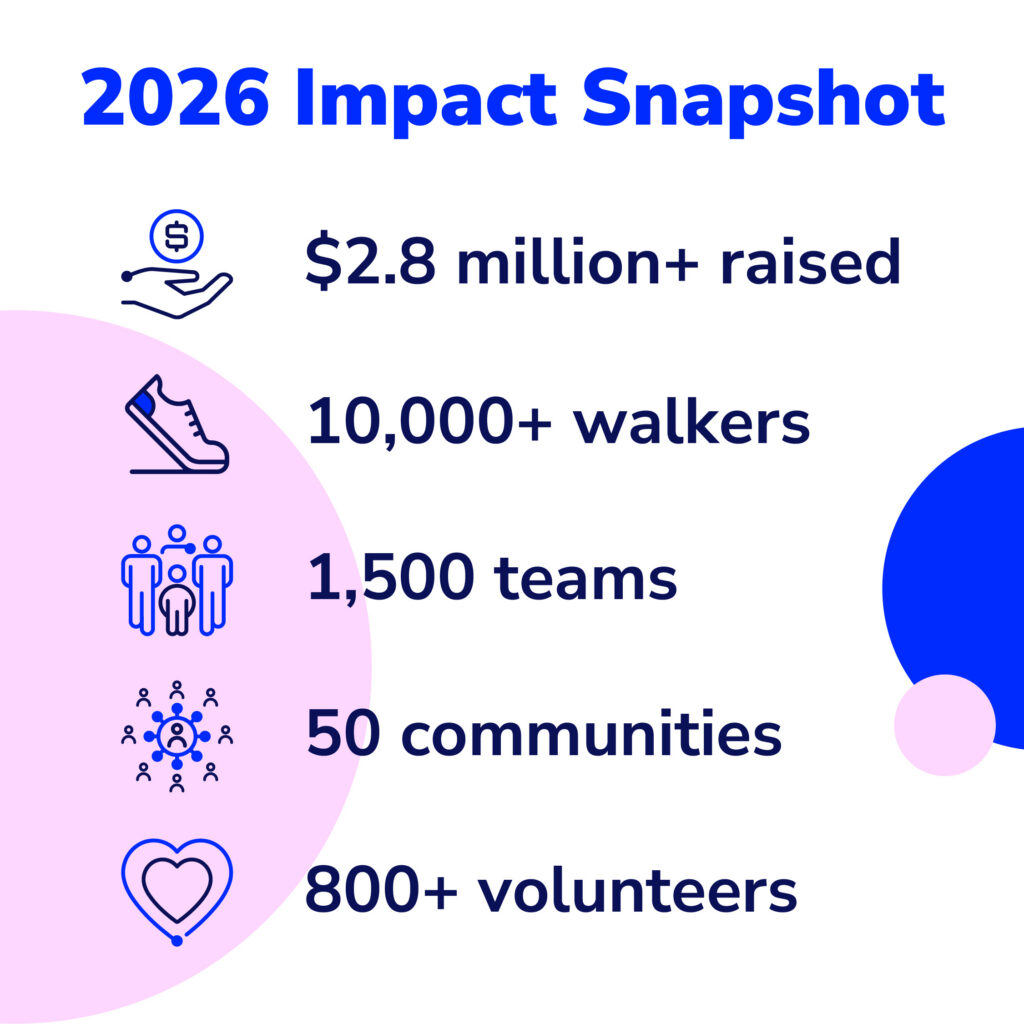
2026 Impact Snapshot
$2.8 Million+ raised
10,000+ walkers
1,500 teams
50 communities
800+ volunteer

One participant shared:

Thank you for this wonderful event. It was my first time with you. I haven’t felt this confident and at peace since I was diagnosed three years ago. Connecting with people like you is incredibly important—it reminds me that I’m not alone in this journey and that there is so much support available.

Another told us:

Seeing my daughter smile and meet other people and kids with T1D so that she knows she is not alone.

Those moments are what make Breakthrough T1D Walk so special. Whether you were attending for the first time or returning as a long-time supporter, you helped create a welcoming community where no one has to face T1D alone.

A movement powered by community

This year’s Walk season brought together families, teams, volunteers, and supporters in communities across Canada. From first-time participants to dedicated fundraisers who have been walking for years, every person played a role in making this year’s campaign a success.

The energy at Walks across the country was unforgettable: team spirit, family fun, new friendships, inspiring stories, and countless reminders of the strength and resilience of the T1D community.

Most importantly, every step taken helps drive progress toward a world without T1D. Breakthrough T1D Walk supports life-changing research, advocacy efforts that improve access to care and technology, and programs that connect and support people living with T1D.

Thank you to our sponsors and partners

We are deeply grateful to the inspiring volunteers and Walk Ambassadors who contribute their expertise and lived experience to make Walk a success. Walk simply wouldn’t happen without you!

Thank you also to the national and local sponsors, corporate partners, healthcare partners, and community supporters whose generosity helped make this year’s Walk season possible.

Their commitment helps create meaningful Walk experiences for participants while advancing Breakthrough T1D’s mission to improve lives today and tomorrow through life-changing T1D breakthroughs.

Image of the logos of Walk Sponsors

Thank you for standing with the T1D community.

See you in 2027

If you’ve never attended a Breakthrough T1D Walk before, we invite you to join us for one of our eight Walks this September or next year. Click here to find a Walk near you! Whether you live with T1D, love someone who does, or simply want to make a difference, there’s a place for you in this community.

Because when we come together, we don’t just walk.

We create hope. We accelerate progress. We help make T1D a part of history.

Together, we Walk.

What people with type 1 diabetes think about cell therapies

by Bryn Murphy

Multigenerational family with kids

Interest in cell therapies for type 1 diabetes (T1D) is growing, but most people still don’t have enough information to fully understand their options.

Today, islet replacement therapies are available in clinical practice to only those with the most severe T1D, and newer therapies are being investigated in a small number of people through clinical trials. But research is advancing quickly, and there is growing optimism about what may be possible in the coming years for more people with T1D.

In a recent survey, we heard both hope and hesitation. When people learned more about how cell therapies work, interest increased, showing how important clear and trustworthy information is.

People affected by T1D want to know: Will it work? Is it safe? What are the trade-offs? And, most importantly, what could this mean for daily life with T1D?

Why cell therapies matter for people with T1D

Living with T1D means constant decisions – balancing insulin, food, activity, and the risk of highs and lows. Even with today’s tools, the burden is real.

Cell therapies aim to replace the insulin-producing cells the body has lost. While these approaches are still in development and not yet widely available, they raise an important question: could they one day reduce the day-to-day impact of T1D?

What the T1D community told us

Between September and October 2025, we surveyed 399 adults living with T1D and 172 caregivers and supporters of people aged 16+ with T1D.

We asked about awareness, openness, and what matters most when considering new treatments.

People are interested but want more information before making decisions.

Awareness is still low, but grows with access to information

Only about one-third of respondents from a general T1D sample said they were familiar with cell therapies.

Among people connected to Breakthrough T1D, familiarity was much higher, showing the impact of trusted, accessible information.

Why information matters: it changes decisions

After reading a short explanation of cell therapies, openness to considering them increased from 47% to 57%. Curious what changed perspectives? Here’s the short explanation we shared:

“Islet replacement therapies (also known as cell therapies) for T1D aim to replace glucose-sensing, insulin-producing cells that are destroyed in a person with T1D by implanting ‘new’ islet cells into the body. Islets are the clusters of cells within the pancreas that secrete hormones. They are comprised primarily of beta cells, which secrete insulin in response to glucose. For the past 2 decades, islet therapies have been performed using islets retrieved from deceased individuals that have donated their pancreas. Although it is a quick, non-invasive procedure, people that undergo this procedure require immunosuppression to maintain cell function, just as any other organ transplant would. At the current time, these cell therapies are limited to individuals with the most severe cases of T1D. However, this is a fast-moving area of research and clinical trials are ongoing for next-generation cell therapies using islets created in the lab from stem cells, and research is looking at new ways to reduce or remove the need for systemic (general, whole-body) immunosuppression.”

When people understand their options, they feel more confident exploring them, even at an early stage of development.

What are cell therapies?

Cell therapies aim to replace insulin-producing cells destroyed in T1D by introducing new islet cells into the body.

Today:

  • These therapies are only available in limited situations, primarily through clinical trials and for a small number of individuals with the most severe cases of T1D
  • Most approaches use donor cells, however lab-grown cells are becoming more common
  • Immunosuppressant medications are typically required

Looking ahead:

  • Researchers are developing lab-grown cells (from stem cells)
  • New approaches aim to reduce or eliminate immunosuppression

This is a rapidly evolving area of research, but it is not yet a widely available treatment option.

Why people are interested in cell therapies

People told us these therapies could:

  • make everyday life with T1D easier
  • reduce the constant mental load
  • improve long-term health outcomes
  • offer new and innovative options

For many, even the possibility of reducing daily burden is meaningful.

What concerns people

People also shared important concerns, including:

  • wanting more research and long-term evidence
  • the need for immunosuppressant medications
  • feeling their current management is working well
  • age or other health considerations

These reflect the real-world trade-offs people weigh every day, especially for treatments that are still emerging.

What people need to know before deciding

Before considering cell therapies, people want clear answers to practical questions:

  • How effective is it?
  • What are the risks of immunosuppression?
  • How long do results last?
  • What are the costs?
  • Is it safe?

People are looking for clarity, not just hope.

Where people get trusted information

People rely on:

  • healthcare providers (67%)
  • diabetes research and advocacy organizations (58%)
  • online research (41%)

Those connected to the T1D community are especially likely to turn to organizations like Breakthrough T1D, reinforcing the need for clear, credible information.

What this means for the future

Awareness of cell therapies is still growing but interest is there, especially when people have access to the right information.

Today, access remains very limited and largely confined to clinical trials. But progress in this field is moving quickly, and there is cautious optimism that these therapies could become more widely available in the coming years.

At Breakthrough T1D, we are focused on three things:

  • Supporting research to develop and test cell therapies
  • helping the T1D community understand what’s coming and what it means
  • working to ensure that, when these therapies are ready, people who could benefit can access them

Breakthrough T1D is not only committed to educating the T1D community but is also expanding our work in Medical Affairs to educate Canadian healthcare providers about emerging therapies and clinical trials in Canada.

We will continue to share clear, balanced information so people can make informed decisions and feel confident navigating what comes next.

Learn more and stay connected

This initiative was sponsored by Vertex Pharmaceuticals. The sponsor had no influence on the survey design, delivery, analysis, or any other aspect of this research. All findings reflect the independent conclusions of Breakthrough T1D Canada.

Announcing the Breakthrough T1D 2026 Canada Mental Health and T1D Community Grants

by Bryn Murphy

Group of smiling people outdoors

Mental health is an important part of living well with type 1 diabetes (T1D), yet it is often overlooked. Managing T1D is a constant, everyday responsibility that can bring emotional challenges such as stress, burnout, and diabetes distress—not only for individuals, but also for caregivers and families. These experiences are common and highlight the need for accessible, meaningful mental health support across the T1D community.

The good news is that the right supports can make a real difference. Programs that offer education, peer connection, mentorship, and practical tools can help people feel more supported, better able to cope with the burden, and more connected as they navigate living with T1D or support family members through it.

To help bring more of these supports to life, Breakthrough T1D Canada launched the Mental Health and T1D Community Grants Program in 2023 as part of its Mental Health Strategy for T1D. This initiative successfully funded five innovative projects that supported mental health and wellness in the T1D community. In 2026, the program is expanding by funding two additional community-led projectsto support new or expanded initiatives over a period of up to 18 months, helping turn promising ideas into real-world impact. We received a variety of competitive applications and are thankful to our review panel made up of mental health and medical professionals and people with lived experience of T1D that shaped the decision of which projects to fund.

Together, these projects are helping to build stronger, more responsive mental health supports for people living with T1D and those who care for them.

Millimole Club: Podcast and Communication Tools for the T1D Community

Millimole Club logo

The Millimole Club, founded by Ariane Archambault, is a Quebec-based French language community initiative created by and for adults living with T1D. The organization focuses on building connection, reducing isolation, and promoting well-being through community, storytelling, and shared experiences.

This project will expand their existing work by producing two new seasons of the podcast Diabétiquement parlant—a total of 20 episodes—while also developing new digital tools, including a website and newsletter, to improve access to resources and support.

Through expert interviews and real-life stories, the project will explore topics like stress, anxiety, burnout, and the day-to-day mental load of managing T1D. By combining evidence-based information with lived experience, it aims to provide relatable, practical support for the community.

By creating accessible, French-language content and strengthening connections within the community, this project aims to normalize these challenges, reduce isolation, and support overall mental well-being in adults with T1D.

Listen to their podcast, Diabétiquement parlant, available on Apple Podcasts and Spotify.

Diabetes Hope Foundation: Dating, Intimacy, and Type 1 Diabetes: A Young Adult Resource Project

Diabetes Hope Foundation

The Diabetes Hope Foundation is a Canadian not-for-profit organization focused on supporting youth with T1D as they transition to adulthood. Their mission is to empower youth with T1D and their supporters by providing financial, social and informational support.

Their newly funded project, Dating, Intimacy, and Type 1 Diabetes, will create a range of accessible, youth-friendly resources that explore how T1D intersects with relationships, intimacy, and sexual health. Designed primarily for young adults aged 17–24 living with T1D, as well as their partners, the project will include interactive guides, social media content, blog posts, a podcast series, and short videos featuring the real experiences of young people living with T1D. These resources aim to help individuals navigate relationships with greater confidence.

By working closely with youth and clinicians, the initiative will ensure that all content is both relevant and accurate. Ultimately, the goal is to help young people build healthy, supportive relationships, feel less alone in their experiences, and better manage the emotional aspects of living with T1D.

This work addresses an important gap, as topics like dating and intimacy are often difficult to talk about and are not widely covered in existing diabetes resources. By creating safe, relatable, and easy-to-access information, this project will aim reduce stigma and support the mental well-being of youth living with T1D.

Learn more about the Diabetes Hope Foundation and their work.

To support these projects, or Breakthrough T1D Canada’s Mental Health Strategy more generally, please contact Liza Smithies, LSmithies@BreakthroughT1D.ca.

For questions about the Mental Health and T1D Community Grants Program, please contact grants@breakthrought1d.ca.

Access our mental health resources or find a registered mental health provider near you.

Sana’s Gene-Edited Islet Cells Continue to Produce Insulin

Researchers this week have reported encouraging new results from an early clinical trial testing gene-edited islet cells in a single adult with type 1 diabetes (T1D) in Sweden. More than 14 months after transplantation, the participant is still producing insulin and has done so without immunosuppressants.

The therapy uses islet cells from an organ donor that have then been genetically modified to help them avoid attack by the immune system. Researchers found that the transplanted cells remained alive and functional (i.e., sensing glucose and making insulin), with no severe safety concerns reported during the study.

While these results come from just one participant and the research is still in its early stages, they provide an important proof of concept. One of the biggest challenges in developing cell therapies for T1D is protecting transplanted cells from immune attack without requiring lifelong immunosuppression. This approach could help overcome that barrier.

Breakthrough T1D has been proud to support Sana’s research through the T1D Fund, made possible by the generosity of our donors. Their support helps advance promising therapies like this one and accelerate progress toward cures for T1D.

Sana Biotechnology plans to build on these findings in a new clinical trial using stem cell-derived islet cells, which could make future therapies more scalable and accessible.

At Breakthrough T1D Canada, we’re excited to see this progress and hopeful that the next clinical trial will open soon, including at sites in Canada. Advances like this bring us one step closer to a future where cell therapies can restore insulin production and reduce the burden of living with T1D.

Donate | Donnez