Highlights from ADA 2026 Scientific Sessions

Crowd of people at a conference watching stage

The American Diabetes Association (ADA) Scientific Sessions are one of the world’s largest gatherings of diabetes researchers, clinicians, and industry leaders. More than 11,000 people came together in June 2026 to share the latest progress.

Here’s what matters most for our community.

What you need to know (30 seconds)

  • Progress in type 1 diabetes (T1D) is accelerating across multiple fronts, including cell therapies, immune therapies, technology and mental health.
  • Some early studies show that cell therapies could one day reduce or even eliminate the need for insulin for some people.
  • Researchers are working on treatments that target the root cause of T1D, not just blood sugar management.
  • Earlier detection and screening are expanding and could help delay or prevent T1D in the future.
  • Technology is improving daily life, but gaps remain, especially around preventing serious complications like diabetic ketoacidosis.
  • Canadian researchers and the Breakthrough T1D community are helping drive this progress forward.

Many scientific breakthroughs are coming together to improve daily life and bring us closer to cures.

Cell therapies: Moving closer to life beyond insulin

Why this matters

Cell therapies aim to replace the insulin-producing cells the body has lost. One day, this could mean fewer injections, or even the possibility of not needing insulin at all.

What’s new

At ADA 2026, cell therapies were a major focus.

  • Dr. Trevor Reichman (University of Toronto) chaired a key session on how to bring manufactured islet cell therapies to more people.
  • Dr. Sanjoy Dutta (Breakthrough T1D) highlighted the need to include the T1D community in how these therapies are developed and approved. In Canada, our efforts to make sure this happens are called Project ACT.
  • Researchers emphasized that current clinical trials are too limited, and expanding access will be critical.
  • A study using a new immunotherapy approach made by Eledon Pharmaceuticals showed that all 12 participants receiving islet transplants were able to stop using insulin, with no severe safety concerns reported.

There is also a strong focus on overcoming key barriers, especially reducing or eliminating the need for lifelong immunosuppression.

Canada & Breakthrough T1D in action

  • Dr. Alice Carr (University of Alberta) is leading Breakthrough T1D-supported research to understand who is most likely to benefit from islet transplants and how to improve outcomes
  • Pediatric perspectives were also highlighted by Dr. Brynn Marks (Breakthrough T1D), with contributions from Dr. Melena Bellin and Dr. Laura Jacobsen on what cell therapies could mean for children

These advances are being made possible because of the support of the Breakthrough T1D community – people living with T1D, families, and donors – who make this research possible.

Disease-modifying therapies: Treating the root cause

Why this matters

  • Researchers are developing therapies that target the immune system earlier in the disease, offering a way to slow or halt T1D progression.
  • Dr. Christoph Bausch (SAB Biotherapeutics) presented early clinical trial results for a therapy (SAB‑142) that improved time in range, reduced insulin use and may be safely re-dosed, opening the door to longer-lasting effects.

What’s new

This signals a major shift from managing T1D to changing how the disease progresses, which could fundamentally improve outcomes.

Canada & Breakthrough T1D in action

  • Breakthrough T1D, with the support of its community, is helping fund and advance these therapies through its research and investment efforts.
  • This work is helping move us closer to earlier intervention and, ultimately, prevention.

Early detection and screening: Finding T1D sooner

Why this matters

T1D develops over time before symptoms appear. Detecting it earlier could:

  • Reduce the risk of serious complications at diagnosis
  • Allow earlier access to therapies that may delay progression

What’s new

Screening programs are expanding globally using blood tests that detect early markers of T1D

  • Dr. Holly O’Donnell (Barbara Davis Center) presented research showing that families need clear, ongoing support when learning about T1D risk and that better understanding can also increase anxiety if not handled carefully.
  • Dr. Anastasia Albanese-O’Neill (Breakthrough T1D) shared emerging global recommendations for screening and emphasized the importance of participating in clinical trials.
  • Dr. Raquel Lopez Diez (Breakthrough T1D) is helping lead international collaboration on genetic risk scoring to better understand who is most at risk.

Canada & Breakthrough T1D in action

  • Canada is advancing toward wider screening through CanScreen T1D.
  • Breakthrough T1D-supported research is also helping address the emotional impact of early detection on families.

Technology: Making daily life easier while closing gaps

Why this matters

Technology has transformed how many people manage T1D, but there’s still work to do to make it accessible, simple, and safe for everyone.

What’s new

  • Automated insulin delivery (AID) systems continue to expand into more real-world settings.
  • In Canada, clinical practice guidelines now recommend AID systems for all people with T1D who are able to use them.
  • However, challenges remain:
    • Hospitalizations for diabetic ketoacidosis (DKA) have increased by about 24% over time.
    • Many people are not regularly monitoring ketones.
  • New innovations like continuous ketone monitoring are beginning to emerge, offering a future where ketone monitoring is as easy as continuous glucose monitoring.

Researchers acknowledged that technology also comes with trade-offs, including alarm fatigue, data overload, and emotional burden.

Canada & Breakthrough T1D in action

  • Dr. Alanna Weisman (Sinai Health, Toronto) is leading Breakthrough T1D-supported research to understand why some people face barriers to accessing diabetes technology, especially in underserved communities.
  • This research supports Breakthrough T1D’s work to ensure equitable access to technology across Canada.

Adjunct therapies: Expanding treatment options

Why this matters

Insulin is essential but it may not be the only tool in the future. Additional therapies could help improve overall health and outcomes.

What’s new

  • Researchers are studying medications like GLP‑1 therapies in people with T1D, especially youth.
  • These therapies may help with blood sugar management, weight management, long-term heart health (still being studied) and more.

Future care will likely be more personalized, combining insulin, technology, and other therapies based on individual needs.

Canada & Breakthrough T1D in action

Breakthrough T1D, with the support of the community, continues to invest in research that expands treatment options and improves quality of life for people living with T1D.

Mental Health: Support whenever you need it

Why this matters

Living well with T1D isn’t just about blood sugar. Emotional health matters too, and new tools are making support easier to reach.

What’s new

  • New digital tools are emerging to close this gap, making peer-led mental health support easier to reach.

Canada & Breakthrough T1D in action

  • Dr. Tricia Tang (University of British Columbia) is leading Breakthrough T1D- funded research on REACHOUT, a mobile app that connects adults with T1D to peer-led mental health support. It’s available anytime, day or night, tailored to each person’s needs, and delivered by a peer they choose.
  • In her study, people who used REACHOUT for six months saw greater improvements in their mental health than those still waiting to access it. Full results are expected soon.

Dr. Tang presented results of the wait-list, randomized control trial – meaning that anyone who participated in the trial was randomly selected to either receive the peer support immediately or were put on a waitlist and still answered surveys about their mental health while waiting for access to the REACHOUT app. This style of study allows for all interested participants to access the tool (albeit at various times) but also provides control data to compare to. Using the REACHOUT app for 6 months was successful in improving mental health outcomes compared to those not using the app on the waitlist. The full results are expected to be published

What this all means for our community

ADA 2026 made one thing clear: progress in T1D is not coming from just one breakthrough, but from many advances happening at the same time.

Together, these advances are:

  • Improving daily life
  • Reducing the burden of T1D
  • Bringing us closer to cures

And, importantly, this progress is powered by you.

Through advocacy, participation in research, fundraising, and lived experience, the Breakthrough T1D community is helping drive every step forward.
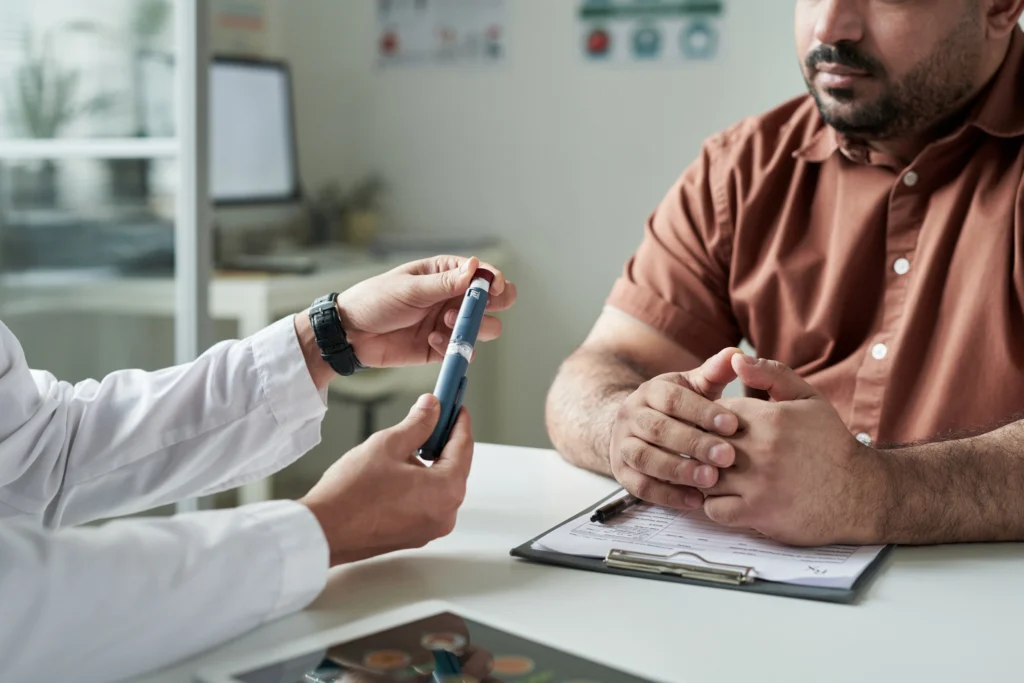

Clinical trial on GLP-1RA (tirzepatide) to begin in Canada

Image of a doctor and a patient in a consultation with no faces showing. Doctor holding a spring-loaded lancing device

A new Breakthrough T1D-funded clinical trial led by Drs. Ahmad Haidar and Melissa-Rosina Pasqua (McGill University), is exploring whether tirzepatide, a commonly used medication for type 2 diabetes, can improve automated insulin delivery (AID) systems.

What is tirzepatide?

Tirzepatide is a type of adjunct-to-insulin therapy for diabetes called GLP-1RAs, short for   glucagon-like peptide-1 (GLP-1) receptor agonist. GLP-1RAs allows the pancreas to better respond to GLP-1 hormone signals that are released after eating. This hormone helps to manage blood glucose and weight gain by suppressing the release of glucagon, stimulating insulin production (in non-T1D individuals), and slowing the rate at which the stomach empties thereby reducing appetite and increasing the sensation of being full.

Tirzepatide is currently approved by Health Canada for use in type 2 diabetes (Mounjaro) and weight management (Zepbound) but is currently not approved for use with T1D.

What is Dr. Haidar’s trial examining?

Drs. Haidar and Pasqua’s Breakthrough T1D-funded trial will examine if tirzepatide can help improve glucose management for people with T1D using Automated insulin delivery (AID) systems.

AID (or hybrid closed loop) systems consist of an insulin pump and continuous glucose monitor (CGM) that are connected via an algorithm to automatically adjust insulin delivery based on blood glucose levels. However, most current systems are still considered “hybrid” because users must manually count carbohydrates and deliver insulin boluses before meals. This step remains one of the most burdensome parts of diabetes management.

This new study aims to take the next step forward: enabling fully closed-loop insulin delivery, where the system manages glucose control entirely on its own, without requiring users to announce meals or count carbohydrates. The trial will assess if tirzepatide can help achieve this goal.

How will tirzepatide replace or reduce meal announcements and carb counting?

With current AID systems, meal-time insulin dosing remains necessary because of a mismatch in timing:

  • Glucose from food enters the bloodstream quickly
  • Insulin delivered under the skin acts more slowly

This delay leads to post-meal (post-prandial) spikes in blood glucose levels if meal boluses are not given in advance. Tirzepatide works to address the timing mismatch by:

  • Slowing gastric emptying which delays how quickly glucose enters the bloodstream
  • Supressing glucagon (a hormone that raises blood glucose) which will help reduce post-meal spikes
  • Reducing appetite which lowers food intake and daily insulin requirements

Together, these effects may reduce the mismatch between food absorption and insulin action, making it easier for an automated system to maintain stable glucose levels without manual intervention.

Clinical trial details

A Clinical Trial Using Tirzepatide to Help Adults with Type 1 Diabetes Automatically Control Their Blood Sugar (TZP) is estimated to run in Montreal from 2026 to 2029.

The study will involve 105 adults using the Tandem Control-IQ technology, a commercial AID system. In the initial study stage, all participants will use the pump in its hybrid mode, which still requires users to manually give themselves insulin bolus doses before meals. In the final weeks of the study, participants taking tirzepatide will switch to a fully automated (“closed loop”) mode, where the system manages insulin delivery without these manual meal boluses.

This study will be conducted in collaboration with the Institut de recherches cliniques de Montréal (IRCM) (Rémi Rabasa-Lhoret, MD, PhD) and the University of Bern (Lia Bally, MD, PhD; Christoph Grani, MD, PhD; and Maricel Peters, MD, PhD).

To learn about other clinical trials you may be eligible to participate in: Breakthrough T1D – Clinical Trials

How does this study align with clinical practice

Recently updated Clinical Practice Guidelines released by Diabetes Canada recommend that adjunctive therapies may be considered in adults with T1D, based on shared decision-making with the care provider. 

The same updated guidelines also recommended that insulin be delivered ideally by an insulin pump integrated with a continuous glucose monitor (CGM) in an AID system and that these devices be offered to all individuals with T1D, provided they are willing to wear the device and operate it.

Spotlight on Dr. Patrick MacDonald: Expanding global knowledge of human islets

Image of Dr. Patrick MacDonald
Dr. Patrick MacDonald

To cure type 1 diabetes (T1D), we need to do two things: we need to address the autoimmune response that damages insulin-producing beta cells, and we need to replace lost beta cells to restore the ability to produce insulin.

Beta cells are found in clusters of multiple cell types in the pancreas. These clusters are called the islets of Langerhans – or islets for short.  In order to understand how to protect and replace islets, we need to know as much about ‘healthy’ islets as possible and why they are destroyed in someone with T1D.  Since islets can’t be studied within the body and islets can’t be donated by a living donor, researchers rely greatly on islets that are isolated from cadaveric pancreas donors.

Dr. Patrick MacDonald of the University of Alberta is a world leader in coordinating global islet samples and data for researchers, while fostering national training opportunities. Dr. MacDonald directs the Alberta Diabetes Institute (ADI) IsletCore, the world’s largest ‘single source’ of human pancreas research tissue.

“Our goal with the ADI IsletCore, and other efforts we are involved in, is to elevate diabetes and transplantation research across Canada and internationally. With human research tissue we feel it is essential to share experimental results widely, to honour the selfless gifts of organ donors and to benefit the entire diabetes community,” says Dr. MacDonald.

ADI IsletCore in Canada

ADI IsletCore isolates and ships islets and pancreas tissue to a network of nearly 200 research labs around the world.  With nearly 50 pancreas donors in 2025, they were able to distribute almost 7 million islet equivalent cells to researchers, bringing their grand total to 75 million islet equivalents distributed to date. This translates into over 300 scientific papers crediting ADI IsletCore for research support.

Islet database

With support from the Breakthrough T1D-CIHR Partnership to Defeat Diabetes, Dr. MacDonald and his team have developed a groundbreaking online database cataloguing the molecular, cellular, and physiological functions of islets from human organ donors acquired through ADI IsletCore.

HumanIslets.com allows researchers worldwide to explore islet function, proteins, and pathways comparing between donors with and without diabetes. They have leveraged this work for an additional $1.8M of funding including a Breakthrough T1D International grant for $750k to expand the platform to include stem cell-derived islets and integrate AI and machine learning into the analysis.

Dr. MacDonald’s research has significantly advanced cure research for T1D by integrating massive datasets from hundreds of human donors and making this resource publicly accessible.

International collaboration

Dr. MacDonald is now sharing his expertise internationally through collaboration on development of islet distribution centres.

In April 2026, Australia launched its first national Breakthrough T1D-funded islet distribution centre, which is critical given Australia’s remote location and need to collect local tissue for research. Dr. MacDonald is advising on this important new islet centre, that will further improve both global collaboration and our understanding of human islets.

In addition to his partnership in Australia, Dr. MacDonald is also collaborating on islet distribution programs in Michigan, USA and Sweden to further support a worldwide connected research network. He has recently published a paper in Diabetologia about coordinating global efforts to advance islet research through shared resources.

Training emerging leaders

Not only does Dr. MacDonald oversee IsletCore and run an active research lab, he also co-founded, and was the initial leadership group chair of, the Canadian Islet Research and Training Network (CIRTN). The CIRTN is a world-leading islet research and training network in Canada that looks to build upon Canada’s reputation for excellence in islet biology research by facilitating the exchange of information and ideas with in-person and virtual scientific meetings, enhancing mentorship and trainee career development, and promoting engagement and collaboration amongst islet researchers in Canada and worldwide. Breakthrough T1D has been pleased to collaborate with CIRTN to co-fund four cohorts of trainees. Dr. MacDonald’s work is a crucial piece of the puzzle understanding stem-cell derived islets and demonstrates the power of global collaboration, a key tenet of Breakthrough T1D’s research strategy. His contributions are getting us closer to being able to produce these cells at scale and to Canadians with T1D.

Together on the Hill: Our T1D Community Made an Impact 

To every delegate who walked the halls of Parliament this year, this blog is for you. 

T1D on the Hill 2026 was about more than meetings and metrics. It was about people. It was about families, kids, parents, adults living with type 1 diabetes, and the shared belief that progress happens when we show up together. 

And show up you did. 

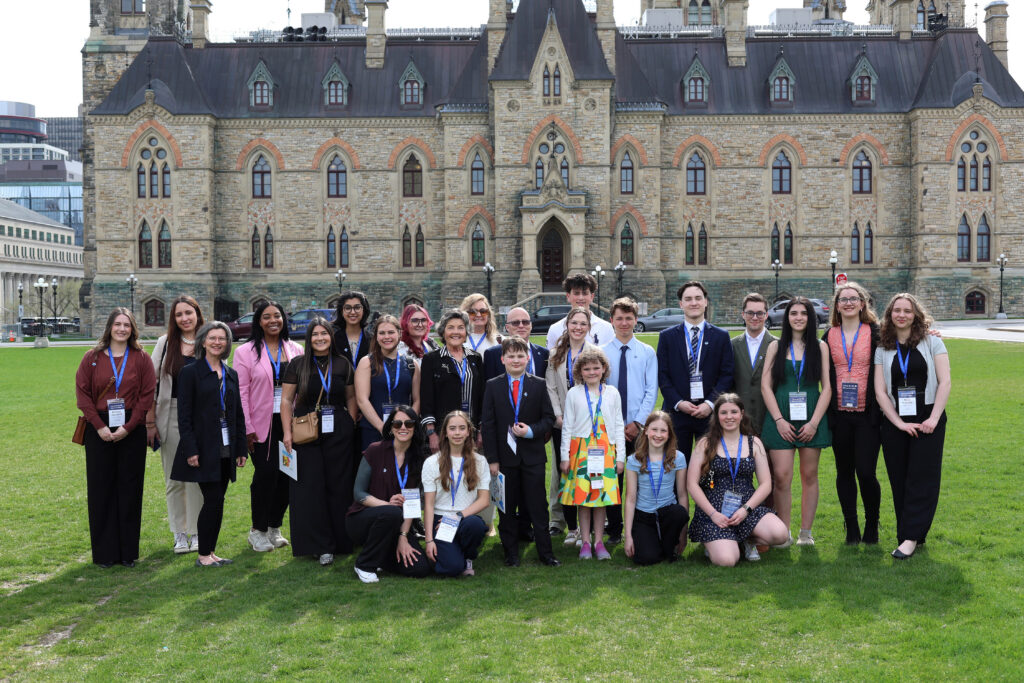
BreakthroughT1D delegates on Parliament Hill
May 4, 2026: Breakthrough T1D members on Parliament Hill in Ottawa. Photo by Dave Chan.

On May 4th and 5th, 28 delegates from across Canada met with Members of Parliament, Senators, and senior staff. In total, 49 parliamentarians engaged with Breakthrough T1D Canada and learned about the Breakthrough T1D Network Canada. We can confirm, the reception to our message was overwhelmingly positive. 

What made the difference was you. 

Delegates spoke with confidence, clarity, and heart. You shared personal stories that brought the realities of type 1 diabetes into sharp focus. You explained why 2026 is a critical moment for research and access. You showed decision-makers that T1D is not abstract or theoretical. It is something families live with every single day. 

The feedback we heard again and again was that the message was clear and compelling. Parliamentarians appreciated the materials you shared, the focused ask, and the fact that everything fit into a meaningful conversation. Many asked thoughtful questions. Many requested follow-ups. And many committed to helping move this work forward. 

There were real and tangible wins. We secured commitments from MPs and Senators to champion the Breakthrough T1D Network Canada internally and we identified strong allies across parties. We saw statements made publicly in the House of Commons and the Senate. We opened doors with central agencies and built new connections that will support the path ahead. 

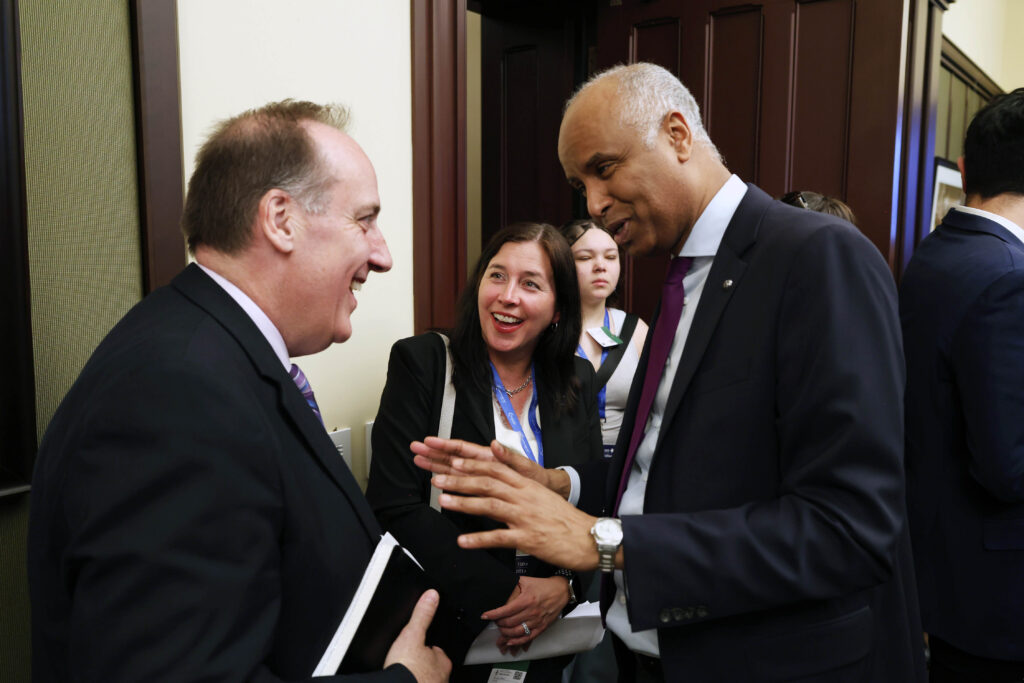
BreakthroughT1D delegates on Parliament Hill
May 4, 2026: Breakthrough T1D members on Parliament Hill in Ottawa. Photo by Dave Chan.

These outcomes matter, but they only happened because our delegates were prepared, supported, and brave enough to speak from experience. Kids and their parents spoke not only about their daily challenges, but about why a cure matters to their future. Adults living with T1D spoke about the daily mental and physical load of managing this disease, the financial burden, but they also shared how a cure would impact their lives. Together, you struck a balance between policy and humanity that left a lasting impression. 

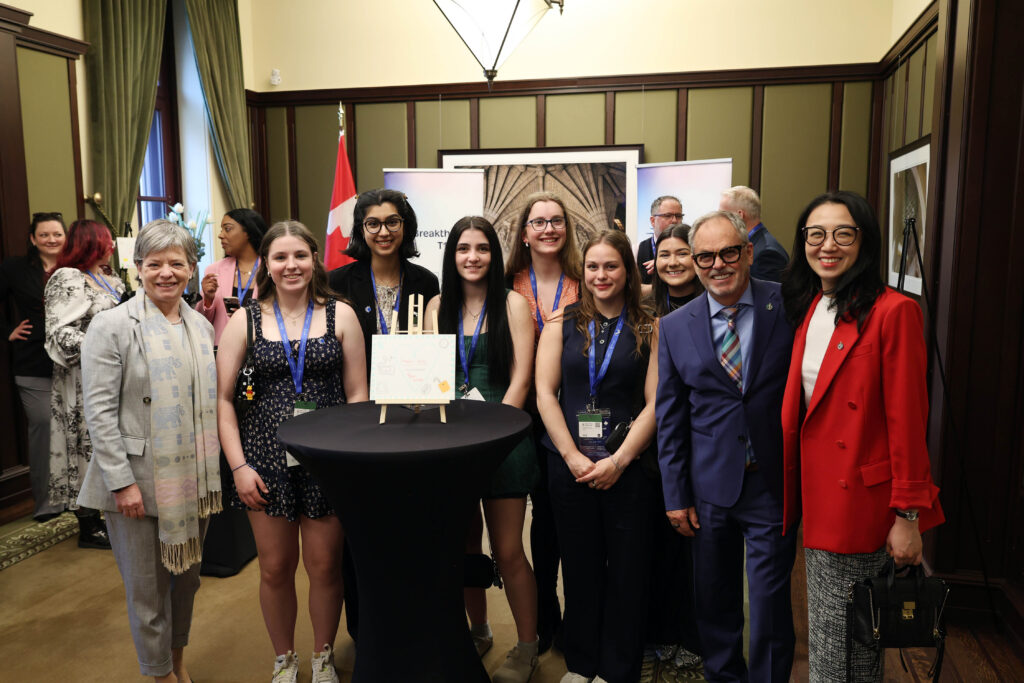
One of the most powerful moments of the week came at our reception. More than 90 people filled the room, including over 20 MPs and Senators. The energy was unmistakable. Conversations flowed easily. Parliamentarians stayed, listened, and engaged. It was a clear signal that when our community gathers, people pay attention. 

BreakthroughT1D delegates on Parliament Hill
May 4, 2026: Breakthrough T1D members on Parliament Hill in Ottawa. Photo by Dave Chan.

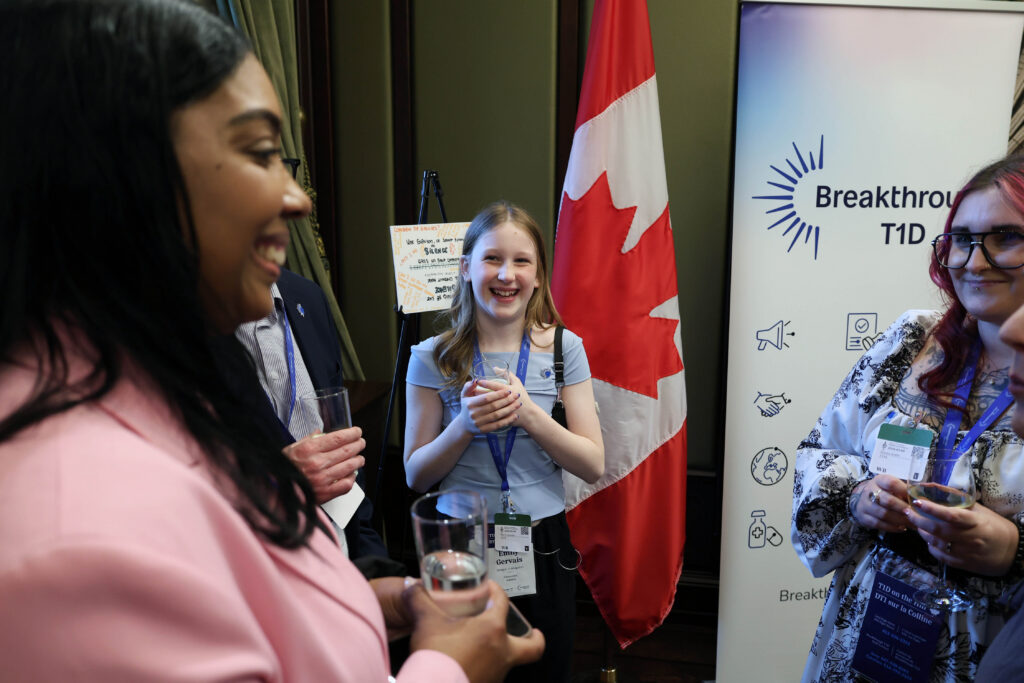
This year also marked an important evolution for T1D on the Hill. With new Breakthrough T1D branding, a more centralized government relations approach, and board members working closely with delegates, the effort felt cohesive and purposeful. Kids and adults advocated side by side, showing that T1D affects every stage of life and that solutions must too. 

There is still work ahead. Questions about research funding and science will continue. Follow-ups with offices and committees are already underway. But the momentum is real, and it was built by the collective effort of this community. 

To our delegates: thank you for your time, your preparation, and your courage. Thank you for sharing your story and for lending your voice so that others living with type 1 diabetes may someday live with less burden, and eventually, without this disease. 

T1D on the Hill 2026 reminded us of something powerful. When our community comes together, we don’t just ask to be heard. We are heard. 

If you’d like to help keep this momentum going, we invite you to send a letter to your MP by clicking the link below. https://Advocacy.BreakthroughT1D.ca/page/188437/action/1 We’ll keep you updated on our progress in the months to come! 

BreakthroughT1D delegates on Parliament Hill
May 4, 2026: Breakthrough T1D members on Parliament Hill in Ottawa. Photo by Dave Chan.
Donate | Donnez