Clinical trial on GLP-1RA (tirzepatide) to begin in Canada

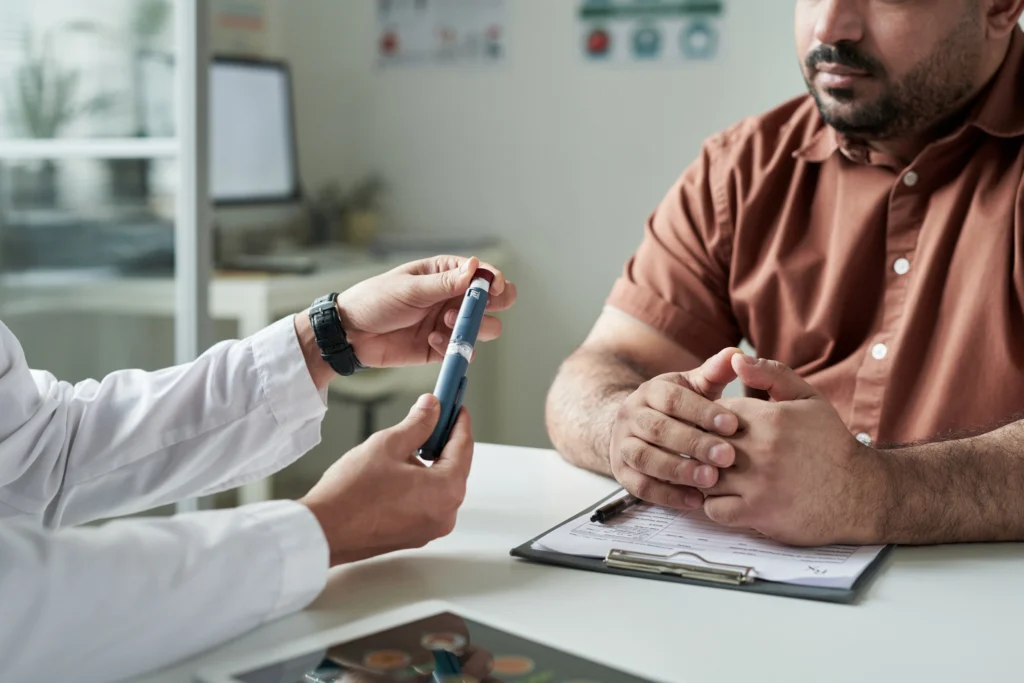
Image of a doctor and a patient in a consultation with no faces showing. Doctor holding a spring-loaded lancing device

A new Breakthrough T1D-funded clinical trial led by Drs. Ahmad Haidar and Melissa-Rosina Pasqua (McGill University), is exploring whether tirzepatide, a commonly used medication for type 2 diabetes, can improve automated insulin delivery (AID) systems.

What is tirzepatide?

Tirzepatide is a type of adjunct-to-insulin therapy for diabetes called GLP-1RAs, short for   glucagon-like peptide-1 (GLP-1) receptor agonist. GLP-1RAs allows the pancreas to better respond to GLP-1 hormone signals that are released after eating. This hormone helps to manage blood glucose and weight gain by suppressing the release of glucagon, stimulating insulin production (in non-T1D individuals), and slowing the rate at which the stomach empties thereby reducing appetite and increasing the sensation of being full.

Tirzepatide is currently approved by Health Canada for use in type 2 diabetes (Mounjaro) and weight management (Zepbound) but is currently not approved for use with T1D.

What is Dr. Haidar’s trial examining?

Drs. Haidar and Pasqua’s Breakthrough T1D-funded trial will examine if tirzepatide can help improve glucose management for people with T1D using Automated insulin delivery (AID) systems.

AID (or hybrid closed loop) systems consist of an insulin pump and continuous glucose monitor (CGM) that are connected via an algorithm to automatically adjust insulin delivery based on blood glucose levels. However, most current systems are still considered “hybrid” because users must manually count carbohydrates and deliver insulin boluses before meals. This step remains one of the most burdensome parts of diabetes management.

This new study aims to take the next step forward: enabling fully closed-loop insulin delivery, where the system manages glucose control entirely on its own, without requiring users to announce meals or count carbohydrates. The trial will assess if tirzepatide can help achieve this goal.

How will tirzepatide replace or reduce meal announcements and carb counting?

With current AID systems, meal-time insulin dosing remains necessary because of a mismatch in timing:

  • Glucose from food enters the bloodstream quickly
  • Insulin delivered under the skin acts more slowly

This delay leads to post-meal (post-prandial) spikes in blood glucose levels if meal boluses are not given in advance. Tirzepatide works to address the timing mismatch by:

  • Slowing gastric emptying which delays how quickly glucose enters the bloodstream
  • Supressing glucagon (a hormone that raises blood glucose) which will help reduce post-meal spikes
  • Reducing appetite which lowers food intake and daily insulin requirements

Together, these effects may reduce the mismatch between food absorption and insulin action, making it easier for an automated system to maintain stable glucose levels without manual intervention.

Clinical trial details

A Clinical Trial Using Tirzepatide to Help Adults with Type 1 Diabetes Automatically Control Their Blood Sugar (TZP) is estimated to run in Montreal from 2026 to 2029.

The study will involve 105 adults using the Tandem Control-IQ technology, a commercial AID system. In the initial study stage, all participants will use the pump in its hybrid mode, which still requires users to manually give themselves insulin bolus doses before meals. In the final weeks of the study, participants taking tirzepatide will switch to a fully automated (“closed loop”) mode, where the system manages insulin delivery without these manual meal boluses.

This study will be conducted in collaboration with the Institut de recherches cliniques de Montréal (IRCM) (Rémi Rabasa-Lhoret, MD, PhD) and the University of Bern (Lia Bally, MD, PhD; Christoph Grani, MD, PhD; and Maricel Peters, MD, PhD).

To learn about other clinical trials you may be eligible to participate in: Breakthrough T1D – Clinical Trials

How does this study align with clinical practice

Recently updated Clinical Practice Guidelines released by Diabetes Canada recommend that adjunctive therapies may be considered in adults with T1D, based on shared decision-making with the care provider. 

The same updated guidelines also recommended that insulin be delivered ideally by an insulin pump integrated with a continuous glucose monitor (CGM) in an AID system and that these devices be offered to all individuals with T1D, provided they are willing to wear the device and operate it.


Spotlight on Dr. Patrick MacDonald: Expanding global knowledge of human islets

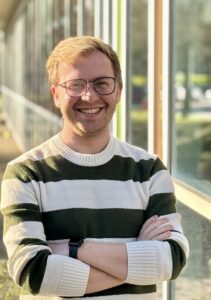
Image of Dr. Patrick MacDonald
Dr. Patrick MacDonald

To cure type 1 diabetes (T1D), we need to do two things: we need to address the autoimmune response that damages insulin-producing beta cells, and we need to replace lost beta cells to restore the ability to produce insulin.

Beta cells are found in clusters of multiple cell types in the pancreas. These clusters are called the islets of Langerhans – or islets for short.  In order to understand how to protect and replace islets, we need to know as much about ‘healthy’ islets as possible and why they are destroyed in someone with T1D.  Since islets can’t be studied within the body and islets can’t be donated by a living donor, researchers rely greatly on islets that are isolated from cadaveric pancreas donors.

Dr. Patrick MacDonald of the University of Alberta is a world leader in coordinating global islet samples and data for researchers, while fostering national training opportunities. Dr. MacDonald directs the Alberta Diabetes Institute (ADI) IsletCore, the world’s largest ‘single source’ of human pancreas research tissue.

“Our goal with the ADI IsletCore, and other efforts we are involved in, is to elevate diabetes and transplantation research across Canada and internationally. With human research tissue we feel it is essential to share experimental results widely, to honour the selfless gifts of organ donors and to benefit the entire diabetes community,” says Dr. MacDonald.

ADI IsletCore in Canada

ADI IsletCore isolates and ships islets and pancreas tissue to a network of nearly 200 research labs around the world.  With nearly 50 pancreas donors in 2025, they were able to distribute almost 7 million islet equivalent cells to researchers, bringing their grand total to 75 million islet equivalents distributed to date. This translates into over 300 scientific papers crediting ADI IsletCore for research support.

Islet database

With support from the Breakthrough T1D-CIHR Partnership to Defeat Diabetes, Dr. MacDonald and his team have developed a groundbreaking online database cataloguing the molecular, cellular, and physiological functions of islets from human organ donors acquired through ADI IsletCore.

HumanIslets.com allows researchers worldwide to explore islet function, proteins, and pathways comparing between donors with and without diabetes. They have leveraged this work for an additional $1.8M of funding including a Breakthrough T1D International grant for $750k to expand the platform to include stem cell-derived islets and integrate AI and machine learning into the analysis.

Dr. MacDonald’s research has significantly advanced cure research for T1D by integrating massive datasets from hundreds of human donors and making this resource publicly accessible.

International collaboration

Dr. MacDonald is now sharing his expertise internationally through collaboration on development of islet distribution centres.

In April 2026, Australia launched its first national Breakthrough T1D-funded islet distribution centre, which is critical given Australia’s remote location and need to collect local tissue for research. Dr. MacDonald is advising on this important new islet centre, that will further improve both global collaboration and our understanding of human islets.

In addition to his partnership in Australia, Dr. MacDonald is also collaborating on islet distribution programs in Michigan, USA and Sweden to further support a worldwide connected research network. He has recently published a paper in Diabetologia about coordinating global efforts to advance islet research through shared resources.

Training emerging leaders

Not only does Dr. MacDonald oversee IsletCore and run an active research lab, he also co-founded, and was the initial leadership group chair of, the Canadian Islet Research and Training Network (CIRTN). The CIRTN is a world-leading islet research and training network in Canada that looks to build upon Canada’s reputation for excellence in islet biology research by facilitating the exchange of information and ideas with in-person and virtual scientific meetings, enhancing mentorship and trainee career development, and promoting engagement and collaboration amongst islet researchers in Canada and worldwide. Breakthrough T1D has been pleased to collaborate with CIRTN to co-fund four cohorts of trainees. Dr. MacDonald’s work is a crucial piece of the puzzle understanding stem-cell derived islets and demonstrates the power of global collaboration, a key tenet of Breakthrough T1D’s research strategy. His contributions are getting us closer to being able to produce these cells at scale and to Canadians with T1D.

A conversation with Aspect Biosystems 

Building next-generation solutions for type 1 diabetes

Vancouver-based Aspect Biosystems recently announced a new $280 million partnership with the Government of Canada. Breakthrough T1D Canada’s Chief Scientific Officer, Sarah Linklater, spoke with Aspect’s Founder and CEO, Tamer Mohamed, about what the news means for the future of type 1 diabetes (T1D) treatment. 

Sarah: For readers who may not be familiar with Aspect Biosystems, can you tell us what the company does and which health conditions you’re focused on? 

Tamer: Aspect is pioneering what we call bioengineered cellular therapies. In simple terms, these are engineered cellular medicines designed to replace the function that’s lost because of disease—and without the need for long-term immune suppression. 

Our main focus is on metabolic and endocrine diseases, with T1D being a major priority. We’re developing a stem cell-derived islet replacement therapy that aims to restore blood glucose control without requiring chronic immune suppression, which has long been one of the biggest challenges in this field. 

We’re also applying our platform technology to other endocrine diseases, including primary adrenal insufficiency and other rare conditions. Across all of these areas, our goal is the same: to bring the full power of our platform to serious diseases that have been extremely difficult to treat—and develop curative medicines. 

Sarah: Aspect recently announced major investments from the Government of Canada. What does this mean for the T1D community? 

Tamer: Canada has a deep and proud history in diabetes research, including the discovery of insulin. More than 100 years later, this partnership is about Aspect Biosystems leading the next wave of curative medicines and building something truly generational, anchored in Canada.  

In 2024, we launched a $200 million partnership with the governments of Canada and British Columbia to advance our platform and therapeutic pipeline. More recently, we’ve deepened our partnership with an additional $280 million project with the federal government to strengthen our clinical development capabilities and help us go the distance. 

For the T1D community, this matters because it accelerates our ability to move therapies into advanced clinical development. It brings us closer to delivering curative medicines to people in Canada and around the world—and it does so by building a generational biotech company right here at home. 

Sarah: Regenerative medicine is a rapidly evolving field, especially in T1D. What makes Aspect’s approach stand out? 

Tamer: We have three elements that are essential to unlocking cellular therapies with curative potential without the need for chronic immune suppression. First, access to high-quality stem cell-derived islets. Second, best-in-class immune evasion technologies that protect those cells from the immune system. And third, the manufacturing required to scale these therapies.  

We took a big step forward earlier this year in our partnership with Novo Nordisk to integrate key stem cell and hypoimmune cell engineering technologies under Aspect’s leadership. Combined with our recent federal investment, this gives us a real opportunity to develop therapies that could be transformative for people living with T1D. 

Sarah: Looking ahead, how does Aspect plan to work with the T1D research and clinical community, including Breakthrough T1D? 

Tamer: Partnership with the people we aim to serve is absolutely central to what we do. As we advance toward first-in-human studies, continuing to deepen our understanding of the patient experience becomes even more important. 

From the early days, Breakthrough T1D played a role in shaping our path – we held an industry grant that enabled us to create a focus on T1D and, later, support from the T1D Fund. Our partnership with Breakthrough T1D was never just about capital. It was about shared mission, insight, connections, and learning. 

We know the challenge ahead is enormous, and we’re humbled by it. But we’re committed. Our job isn’t done until we’ve made a real difference for people living with T1D—and we’re not going to rest until we do.

From Beta Cells to Bicycles


The Breakthrough T1D Canucks For Kids Fund Centre of Excellence at the University of British Columbia launches new podcast for the type 1 diabetes (T1D) community

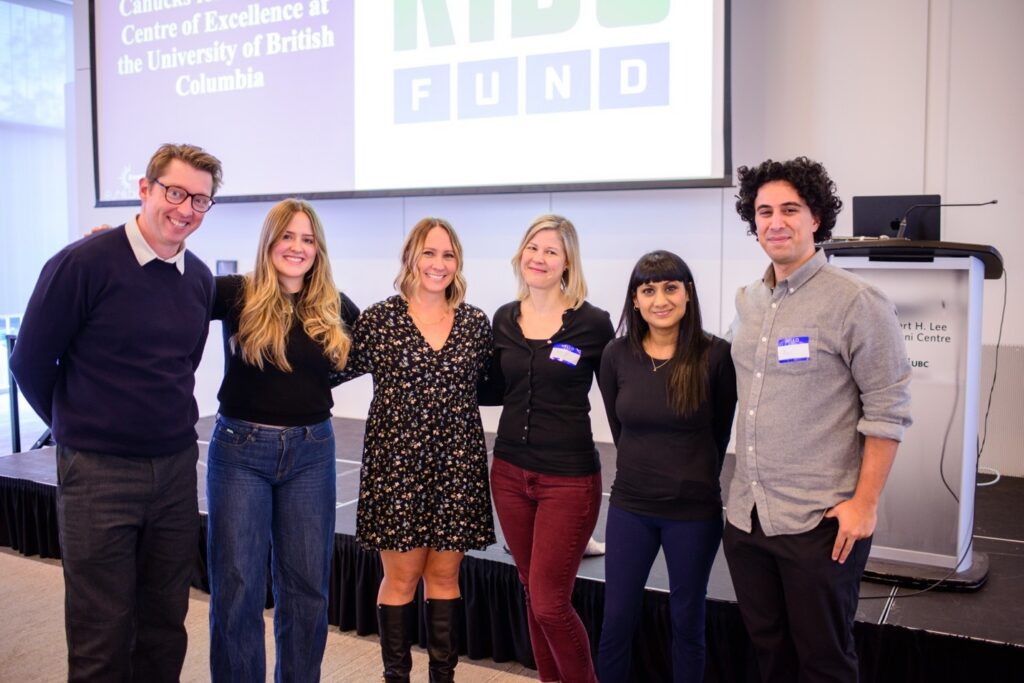
The Breakthrough T1D Canucks For Kids Fund Centre of Excellence at the University of British Columbia (Centre of Excellence) unites the expertise of global research leaders and partnerships in industry, health care, government, and academia towards a singular goal: curing T1D. The Centre creates an environment for sustained multidisciplinary collaboration between three key sites – UBC’s Life Sciences Institute, BC Children’s Hospital Research Institute (BCCHRI), and Vancouver General Hospital (VGH) – allowing for rapid progress and efficient translation of discoveries in the lab to clinical solutions for people living with T1D.

Part of their work also focuses on knowledge translation and supporting lived experience, including The Breakthrough T1D Canucks For Kids Fund Centre of Excellence at UBC T1D Lived Advisory Group which has a key role at Centre outreach events and enabling dialogue between researchers and people living with T1D.

To augment this and launched in early 2026, the Centre of Excellence teamed up with BC Diabetes Research Network’s (BCDRN) popular podcast From Beta Cells to Bicycles for a special series dedicated to the Centre of Excellence. From Beta Cells to Bicycles is a series focusing on research, community engagement, and collaboration.

Streamed on Simplecast, each episode features a brief introduction by Krista Lamb, science communicator. Krista specializes in turning complex medical science into compelling stories that will help listeners and readers understand why this science truly matters in their lives.

“We are thrilled to share with the public, and especially those with lived experience with T1D, some of the exciting research activities and advances going on in the Breakthrough T1D Canucks for Kids Fund Centre of Excellence at UBC. The Centre has become a hub of excellence in T1D research, training, and knowledge sharing. We learn much through our interaction with persons with lived experience and the insight that they share, and hope this podcast captures for you the promise and challenges of T1D research going on in the Centre, as we work hard towards the development of new cell, gene, and molecular therapies for persons living with and at risk for T1D,” says Dr. Bruce Vechere, one of the Centre of Excellence’s co-research leads.

Content and Episode Themes 
Five episodes have been released, each centered on key themes:

  • Episode 1: Co-Leadership in Research—discussing shared leadership models with Drs. Megan Levings and Bruce Verchere, focusing on partnership, team synergy, and the Centre of Excellence’s collaborative approach to developing insulin protection strategies.
  • Episode 2: Voices of Experience—exploring meaningful engagement and co-design with diverse voices in health research, featuring guests Lindsay Pallo, Ben, Ramya, Beth.
  • Episode 3: From Lab to Life—highlighting translational work by Drs. Francis Lynn and James Johnson on cellular therapies for T1D, emphasizing outreach, fundraising, and public benefit.
  • Episode 4: Navigating Translation—addressing balancing innovation and ethics in research translation, with insights from Drs. Megan Levings and Timothy Kieffer.
  • Episode 5: Research Reflections—featuring Breakthrough T1D Canada’s Chief Scientific Officer and President and CEO, Dr. Sarah Linklater and Jessica Diniz reflecting on lessons learned from participatory and team-based research, and future directions for the Centre of Excellence, and stem cell cure-based research in Canada, and globally.

In their episode of From Beta Cells to Bicycles, Sarah and Jessica explain why Breakthrough T1D Canada invests in team‑based, multidisciplinary research rather than in individual labs, as progress in T1D research requires collaboration across beta cell biology, immunology, bioengineering, and clinical translation research. The Centre of Excellence model provides sustained, flexible funding that helps to mitigate the ‘stop‑start’ nature of traditional individual grants and helps research teams move discoveries more quickly from the lab toward real‑world impact.

The discussion also explores the lessons learned since the Centre of Excellence’s launch, including the importance of strong partnerships, meaningful engagement with people with T1D lived experience, and training the next generation of researchers.

They also discussed promising advances in disease‑modifying therapies, like Tzield, while cautioning against unrealistic timelines and stressing the need to pair scientific breakthroughs with advocacy for equitable diabetes device access and coverage.

The episode concludes with optimism about the future of Canadian T1D research, the work of the Breakthrough T1D Canucks for Kids Fund Centre of Excellence, and a shared belief that the future will offer multiple therapeutic options tailored to the diverse needs of people living with type 1 diabetes.

We thank Breakthrough T1D Canucks for Kids Fund Centre of Excellence for allowing us to be guests on From Beta Cells to Bicycles.

Listen to all five episodes here: https://diabetes-from-beta-cells-to-bicycles.simplecast.com/ 

A Canadian pediatric first for type 1 diabetes

For the first time in Canada, Tzield (teplizumab) has been administered to children* – two  patients at BC Children’s Hospital with early-stage type 1 diabetes (T1D).

This milestone matters because it shows real progress toward something the T1D community has waited decades to see – treatments that can change the course of the disease, not just manage it.

Tzield is designed to delay progression of T1D in people who show early signs of the disease but do not yet need insulin. Clinical studies show it can delay the onset of insulin-dependent diabetes by a median of about two years in eligible adults and children.

For families, that time matters. It can mean fewer medical emergencies and more time to prepare for what comes next.

Further promising news out of the United States is that the FDA has approved Tzield for children aged one year and above with stage 2 T1D. In Canada, Tzield is currently approved for age 8 and above. You can read Sanofi’s press release here.

Why this matters beyond two patients

The fact that Tzield has now been given to children in Canada is an encouraging sign that more people are beginning to benefit from the first disease‑modifying therapy for T1D. While access remains limited, it signals a shift toward earlier action – before insulin is needed – rather than waiting for diagnosis.

A small number of adults have already received the drug since it was approved by Health Canada in 2025. What’s new – and meaningful – is that children are now beginning to benefit as well.

How can Canadians benefit from Tzield?

To be eligible for Tzield, one has to be identified through screening as having early stage T1D. Screening for T1D identifies the presence of certain autoantibodies, which can mean someone is at high risk of developing type 1 diabetes.

In Canada, family members of someone with type 1 diabetes can be screened through TrialNet (for first- and second-degree relatives anywhere in Canada) and by FEDERATE-Can (for first-degree relatives in Quebec). However, only 10-15% of newly diagnosed individuals have a family history, so familial screening alone will miss over 85% of new cases.

Those without a first or second degree relative with T1D can discuss www.uncovert1d.ca with their healthcare providers for more options.

Although approved as a therapy by Health Canada, in January Canada’s Drug Agency has announced a recommendation not to reimburse Tzield.

Breakthrough T1D Canada will continue to invest in early-detection research and advocate for better access to screening and disease-modifying treatments.

*The medication teplizumab was provided by the pharmaceutical company Sanofi as part of their patient support program.

Update on clinical trials to study the efficacy of baricitinib as a disease-modifying therapy for T1D

UPDATE: March, 2026 

Two new Phase 3 clinical trials to study the efficacy of baricitinib as a disease-modifying therapy for T1D. 

Baricitinib is a JAK inhibitor that interferes with signaling pathways critical to both immune cells and beta cells. This drug has the potential to extend the “honeymoon period” of T1D, meaning that it could preserve remaining insulin-producing beta cells earlier in disease progression. More beta cells mean better blood sugar management—and potentially reduced long-term complications. 

Following very promising results from a Breakthrough T1D-funded Phase 2 study of baricitinib in newly diagnosed individuals with T1D in Australia (see full study write up and results below), Eli Lilly and Company are now launching two new Phase 3 clinical trials. These new international trials will include locations in Canada – click the links below to find out where the studies are recruiting: 

BARICADE-DELAY 

  • Purpose: To determine if baricitinib can delay the onset of clinical stage 3 T1D in people who are at high risk 
  • Eligibility: Must be between one and 36 years old and be in stage 2 T1D 
  • Primary outcome: Time to diagnosis of stage 3 T1D 

BARICADE-PRESERVE 

  • Purpose: To determine if baricitinib can preserve beta cell function in people with newly diagnosed T1D 
  • Eligibility: Must be between one and 36 years old and diagnosed with stage 3 T1D within the last 100 days 
  • Primary endpoint: C-peptide preservation (a measure of insulin production) 

To learn more about the trials and eligibility: BARICADE-PRESERVE and
Baricitinib (LY3009104) for the Delay of Stage 3 Type 1 Diabetes in At-Risk Children and Adults

***

Insulin, administered either by pump or multiple daily injection, remains the only available treatment for type 1 diabetes (T1D). Breakthrough T1D is aiming to change that and move beyond insulin by accelerating the development of medicines that prevent, delay, or reverse T1D by targeting the autoimmune response, beta cells, or both. Supporting studies that explore how drugs may preserve beta cell function is key to our disease-modifying therapies portfolio.

In a Breakthrough T1D-funded clinical trial, published in the renowned New England Journal of Medicine , Thomas Kay, M.B.B.S., Helen Thomas, Ph.D., and others demonstrated that baricitinib—a small molecule that blocks Janus Kinase, which is critical to signaling pathways within both immune cells and beta cells in T1D—preserved beta cell function in the disease.

The BANDIT study investigated the use of baricitinib, a treatment already approved by Health Canada for other autoimmune diseases like rheumatoid arthritis, in newly diagnosed T1D individuals. This JDRF-funded study was funded by JDRF and JDRF Australia and conducted at St. Vincent’s Institute of Medical Research in Australia. The study was conducted after years of research by Thomas Kay and others, as well as important work by JDRF advocating for Eli Lilly to provide the baricitinib for the study.

Study Overview

  • Participants were between 10 and 30 years old and began taking baricitinib within 100 days of diagnosis
  • Participants either received baricitinib or a placebo drug
  • The study ran for 48 weeks, and results were analyzed at 12, 24, 36 and 48 weeks
  • The primary outcome was average C-peptide (a measure of how much insulin is still being made by a person’s own beta cells) following a standard meal at week 48
  • Secondary outcomes were HbA1c (average glucose level over a 2–3-month period), insulin use, and continuous glucose monitor (CGM) measures

Results

In 60 newly diagnosed children and young adults, baricitinib:

  • Preserved insulin production, as estimated by C-peptide
  • Improved blood-glucose variability (blood glucose levels were more stable) and time-in-range (the percentage of your day within your set blood glucose targets), using a CGM
  • Decreased the requirement for external insulin
  • Was well-tolerated by the participants

The effect of baricitinib was achieved using a single daily oral tablet, and it’s the first immunotherapy trial to suggest a benefit on CGM measures. (Verapamil, a once-a-day tablet approved for blood pressure management , also preserved beta cell function, but without improvement in CGM measures or insulin requirement.)

What comes next?

Currently, baricitinib is approved for the treatment of rheumatoid arthritis in adults in Canada. It is not however a Health Canada approved therapy for people with T1D. Breakthrough T1D has multiple lines of inquiry to make sure that this and other disease-modifying drugs get to the hands of people with T1D . There are several clinical trials that Breakthrough T1D is exploring to see if baricitinib can be effective if used in conjunction with other therapies, such as Tzield™ (teplizumab-mzwv) or verapamil.

What does this mean for people with T1D?

These promising results show that this drug can extend the honeymoon period (the phase in early type 1 diabetes development where the body is still producing some of its own insulin), but more studies are needed before it can become available to the T1D community. As this drug is already approved for use in rheumatoid arthritis (RA) in Canada, the path to its potential use in T1D may be more rapid. Studies that explore the use of disease-modifying drugs, such as baricitinib orustekinumab, in another Breakthrough T1D-funded trial currently recruiting in Canada, are key to helping Breakthrough T1D address the autoimmunity behind T1D.

This treatment is not currently available in Canada for people with T1D, but Breakthrough T1D Canada will share further updates and results as they become available.

Cell therapy first: transplanted islets working without immuno-suppressives

On Jan 7, 2025 (Sweden)Sana Biotechnology released significant clinical data: the first person with type 1 diabetes (T1D) who received deceased donor islets engineered to evade the immune system is producing insulin without immunosuppression.

UPDATE: March, 2026

At the Advanced Technologies & Treatment for Diabetes international conference held in Barcelona, Spain Per-Ola Carlsson, M.D., Ph.D., presented updated results from a Sana’s clinical trial involving a novel cell therapy approach designed to help transplanted islet cells evade immune attack via gene editing while continuing to produce insulin.

 After 60 weeks, the single participant has reported no severe or unexpected adverse events, meeting the trial’s primary safety endpoint. At 14 months after transplantation, the participant continued to produce detectable C-peptide, indicating that the transplanted cells remained alive and functional.

Researchers also observed that C-peptide levels temporarily declined after about one year, likely due to beta cell exhaustion, but subsequently recovered. This is an encouraging signal that the transplanted cells may be capable of regaining function.

While still very early, these findings provide important proof of concept that gene-edited, immune-evasive islet cells can survive and function in a person with T1D. If confirmed in larger studies, this approach could help move the field closer to cell therapies that work without long-term immune suppression—a major goal for the future of T1D cures.


UPDATE: June 23, 2025
Sana Biotechnology presented updated data on June 23, 2025 at the six-month follow up timepoint. The single patient dosed with hypoimmune donor islets continues to produce insulin in response to a mixed meal tolerance test (MMTT) without the use of immunosuppressants. 

The details

This is a big step for cell-based therapies for potentially curing T1D. Sana’s first-in-human study consists of allogeneic islets, meaning they are derived from an external source, which in this case is the pancreases of deceased donors. These islets were engineered to avoid recognition by the immune system (hypoimmune) and were implanted intramuscularly into a person with T1D. After four weeks, circulating C-peptide increased, meaning that the beta cells are alive, healthy, and producing insulin—all without the need for immunosuppression and no safety issue. This is the first evidence of engineered islets successfully avoiding immune destruction.

What this means for the T1D community

While this is an incredibly promising step forward for the T1D community, to have allogenic cells survive without the use of immunosuppressants, this trial relied on deceased donor cells, of which there will never be enough to provide to everyone living with T1D.  The trial was done in a single participant and is reporting only 4-weeks of data – this is a proof-of-concept study that is promising but very preliminary.

What’s next: lots to look forward to

Breakthrough T1D believes that the best chance for T1D cures lies in stem cell-based therapies since deceased donor islets are in short supply, while stem cell-derived islets can be produced at scale. Engineering cells to evade immune attack is a new path forward to protect the insulin-producing beta cells and avoid the use of immunosuppressants. Most importantly, this technology is being studied to apply to stem cell-based therapies, which is a scalable solution for many more people with T1D. This hypoimmune technology moves us closer to the possibility of having enough immune-evading cells for everyone with T1D.

Another trial is in progress testing a similar approach (CRISPR) in Canada – https://clinicaltrials.breakthrought1d.ca/clinical-trial/NCT05565248

While this approach will take significant time, effort, and money, every day we take another step toward a possible life-changing T1D cure. 

Breakthrough T1D’s Role

The primary objective of Breakthrough T1D’s beta cell replacement efforts is to place insulin-producing cells into people with T1D without the use of immunosuppressants. Breakthrough T1D strongly supports the development of stem cell-based therapies that do not require broad immunosuppression and Breakthrough T1D International based out of the US recently launched an initiative to accelerate this faster than ever (Project ACT – Accelerate Cell Therapies). To contribute to the advancement of these game-changing therapies, the T1D Fund: A Breakthrough T1D Venture invested in Sana recognizing that their hypoimmune engineering technology held significant promise for T1D cell therapies. We look forward to seeing how the trial progresses.

Breakthrough T1D Canada is pleased to announce three new trainees in partnership with the Canadian Islet Research and Training Network 

Breakthrough T1D Canada is excited to continue its successful partnership with the Canadian Islet Research and Training Network (CIRTN) and announce a fourth cohort of co-funded trainees beginning in 2026. 

CIRTN was established in 2020 as a world-class training and research network with joint contributions from the University of Alberta, University of British Columbia, University of Manitoba, Université de Montréal, Institut de Recherches Cliniques de Montréal, and the University of Toronto and now includes 12 institutions from across Canada.   

Breakthrough T1D Canada has partnered with CIRTN to leverage funding to this network from the National Science and Engineering Research Council – Collaborative Research and Training Experience (NSERC-CREATE) program.  

Previous cohorts: 

2023 

2024 

2025 

Dr. Austin Miller –Postdoctoral Fellow (supervisor: Francis Lynn, University of British Columbia) 
Improving the ability to generate stem cell-derived pancreatic islets in the lab 
Regenerative medicine approaches are being developed as an alternative in which pancreatic islets are transplanted into patients to restore autonomous insulin secretion, reducing the patient burden of T1D management. Stem cell-derived pancreatic islets (stem cell islets) have the potential to provide an unlimited supply of islets for transplantation.  

Overall, my research aims to improve our ability to generate stem cell-derived islets in the lab. I will develop tools to study cellular pathways that allow cells to manage the burden of secreting proteins like insulin and perform studies to better understand the role of these pathways in the generation of insulin-secreting cells. These findings will inform strategies to further improve the efficiency of stem cell-derived islet generation. 

Dr. Chris Schaaf – Postdoctoral Fellow (supervisor: Patrick MacDonald, University of Alberta)  
Standardizing stem cell-derived beta cells 
The advent of stem cells has provided a promising approach towards generating a functional cure for type 1 diabetes. However, current protocols do not generate stem cell-derived beta cells that appropriately produce and regulate insulin secretion, and there is a lack of standardized assays, benchmarks, and analytical tools for comparing stem cell-derived beta cells to human donor islets. 

This project will leverage the humanislets.com dataset – a collection of ‘gold standard’ molecular and functional datasets from hundreds of human organ donors – funded by Breakthrough T1D and CIHR.  Using this robust dataset and collaborative expertise in computation and artificial intelligence, we will perform comparative analyses and benchmarking for the improvement of stem cell-derived beta cell outcomes. This will enable us to develop benchmarking standards and protocols that can be used by researchers anywhere in the world to compare their own lab generated  stem cell-derived beta cells to our repository of human donor islets data, and use that data to generate  stem cell-derived beta cells that truly mimic the function of human beta cells. 

Yihan Luo – PhD student (supervisor: Kacey Prentice, University of Toronto)  
A new approach to prevent type 1 diabetes by strengthening insulin producing cells 
In the human body, organs communicate with each other through hormones, such as insulin, made by beta cells in the pancreas. Insulin tells fat, muscle, and liver cells to absorb sugar from the blood, which provides energy and keeps blood sugar levels in balance. In type 1 diabetes (T1D), the immune system destroys beta cells, causing lifelong insulin deficiency. Evidence suggests that T1D begins before beta cell loss, due to disrupted insulin responses and organ–pancreas communication. Fabkin, a hormone complex secreted by fat, affects beta cell health and research has shown that blocking it in mice helped beta cells stay healthier. Our project studies Fabkin’s key component, NDPK, to learn how it affects beta cell survival and function, and test whether NDPK-targeting drugs can prevent or delay T1D. If successful, this work could lay the foundation for a new approach to prevent T1D by protecting beta cells before they are damaged or lost. 

Guest post: What does a cure for type 1 diabetes (T1D) look like?

What does a cure for type 1 diabetes (T1D) look like?

Authors: Katie Bartel, Beth Miller, Tony Lucas, Benjamin Mammon, for The Breakthrough T1D Canucks For Kids Fund Centre of Excellence at UBC T1D Lived Advisory Group

That was the question that the Type 1 Diabetes Lived Experience Advisory Group attempted to answer through a recent anonymous survey.

The group quickly learned it’s not an easy puzzle to solve.

The Breakthrough T1D Canucks For Kids Fund Centre of Excellence at UBC T1D Lived Advisory Group has a key role at Centre outreach events and enabling dialogue between researchers and people living with T1D. The recent survey was done to gather information to inform these discussions and, in turn, the Centre’s cure-focused research program.

Of the 49 respondents, there were varying degrees of what a cure for T1D looks like – some want fully functioning insulin production, whereas others would be satisfied with a device-free lifestyle. Some respondents focused more on improved quality of life, while others struggled to put any kind of description to a T1D cure.

“Type 1 requires so much decision making on a daily basis that I cannot help but wonder what my brain will do with that space and time,” one participant commented. “Am I less likely to face decision fatigue? More likely to have more resilience to frustration… the potential is significant, but the ability to guess what that might be is difficult.”

It’s these types of responses that the Centre’s T1D Advisory Group believes is essential for researchers to know.

“If we don’t know what a cure looks like for people with type 1 diabetes, we can’t work towards it,” said Dr. Søs Skovsø, scientific project coordinator at the Centre, and Chair of the Advisory Group.

And that’s where the Advisory Group plays a role.

The Advisory Group is made up of eight members who either live with T1D or care for people living with T1D. The group’s objective is to integrate the voices of people with T1D into T1D research.

The Advisory Group developed a survey that was distributed through local T1D community networks and stayed open for one month. There were 49 respondents in total; 33% were caregivers and 67% lived with T1D. Most respondents lived in Canada – 53% in BC and 41% in other provinces. The remaining 6% lived internationally.

The main query of the survey was “What does a cure for T1D mean for you?”

Questions included rating the importance of restoring the body’s ability to produce its own insulin again, versus preventing the immune system from attacking insulin-producing cells. The survey asked about the importance of a cure being device free, as well as the significance of improvements to quality of life gained with the introduction of a cure.

51% of survey respondents responded that a cure involving stem cell therapy would be extremely important; 58% rated immune therapy as extremely important; and 40% rated being device-free as extremely important. And when asked about the most important benefit that a T1D cure could provide – improved mental health was rated higher than freedom from blood sugar checks, elimination of insulin dependence, and reduction of long-term health risks.

The question that was most surprising for Advisory Group members and researchers at the Centre was how confident respondents were that a cure would be found in their lifetime.

Responses varied: some were confident, others skeptical.

“The mixed response from the community doesn’t reflect the exciting work that’s going on at the Centre,” said Advisory Group member Beth Miller. “This highlights a need for better communication between the scientific community and the broader T1D community,” Miller added.

Skovsø agrees.

“Some people have lost hope for a cure, and at the same time others thinking that there’s a cure coming next year,” she said. “This means that the research community has to do a better job at communicating that a cure may not be available next year, but it is within reach.”

The Advisory Group’s survey is the first of its kind according to Dr. Bruce Verchere, one of the lead principal investigators at the Centre.

“This survey promises to increase the impact of T1D research in the Centre by helping researchers better understand the hopes and expectations of persons living with T1D, and how research could improve their lives,” said Verchere.

“What a cure looks like to a parent of a child with T1D, or to someone living with T1D for 30 years, or to a scientist is going to be different,” said Skovsø. “Hopefully this survey will help open minds that a cure is not single-sided; it’s multi-faceted.”

This survey was just the first step. A second quantitative survey is now being developed by the Advisory Group, in collaboration with the Centre research team, with the intent of reaching a wider audience and publishing the results in a scientific journal.

“It’s cool to see the work and conversations coming out of the Advisory Group trickle and spread into the science community,” said Skovsø. By publishing a larger study, “we can spark even more conversation and understanding.”

Novo Nordisk and Vancouver-based Aspect Biosystems announce a new phase of their partnership

On January 20, 2026 Novo Nordisk (“Novo”) and Vancouver-based Aspect Biosystems (“Aspect”), announced a new phase of their partnership focused on developing curative cell therapies for type 1 diabetes (T1D).

Since 2023, Aspect and Novo have worked together on technologies aimed at producing insulin-secreting islet cells from stem cells. Under the revised partnership, Aspect has acquired Novo’s stem cell–derived islet and hypoimmune cell engineering technologies—designed to create insulin producing cells that can evade immune attack after transplantation into people with T1D.

Novo will continue to invest in Aspect and provide research funding, and it will retain future commercialization and royalty options. This agreement follows Novo’s October 2025 decision to discontinue its cell therapy research and development, including but not limited to, T1D islet manufacturing. As part of the transition, T1D-related research, development, and manufacturing activities will move from the U.S. and Denmark into Aspect’s Canadian platform, expanding the company’s domestic capacity.

This milestone further strengthens Canada’s leadership in T1D research and builds on the $73M Federal–Provincial (BC) investment in Aspect announced in July 2024.

What is Breakthrough T1D’s involvement?

On January 8, 2026 Aspect raised $115M in Series B funding, including from the T1D Fund – A Breakthrough T1D Venture.

Aspect also previously held a Breakthrough T1D International grant (then known as JDRF International) in 2022 to support Aspect’s development of bioengineered tissues that will provide insulin independence and control of blood glucose without the need for chronic immune suppression. In addition to the funding, Breakthrough T1D also contributed strategic support through its vast network in the T1D research field.

What does this mean for Canadians with T1D?
To cure T1D, we need to do two things: we need to protect insulin-producing beta cells from autoimmune attack, and we need to protect and restore their function. To achieve this requires developing a renewable source of cells, as well as therapies that don’t require immunosuppression, as with traditional organ and tissue transplants.

This partnership will help advance cure research that is advancing on both fronts towards the ultimate goal of freedom from insulin, for people of all ages with T1D. And it will be taking place right here in Canada.

Cell therapy trial: Encellin’s device delivers promising early results

On January 6th, 2026, Encellin (California, Quebec) reported positive interim results of its Phase 1 clinical trial of encapsulated islets in people with type 1 diabetes (T1D), which is being carried out in Toronto and Montreal.

Trial Details:
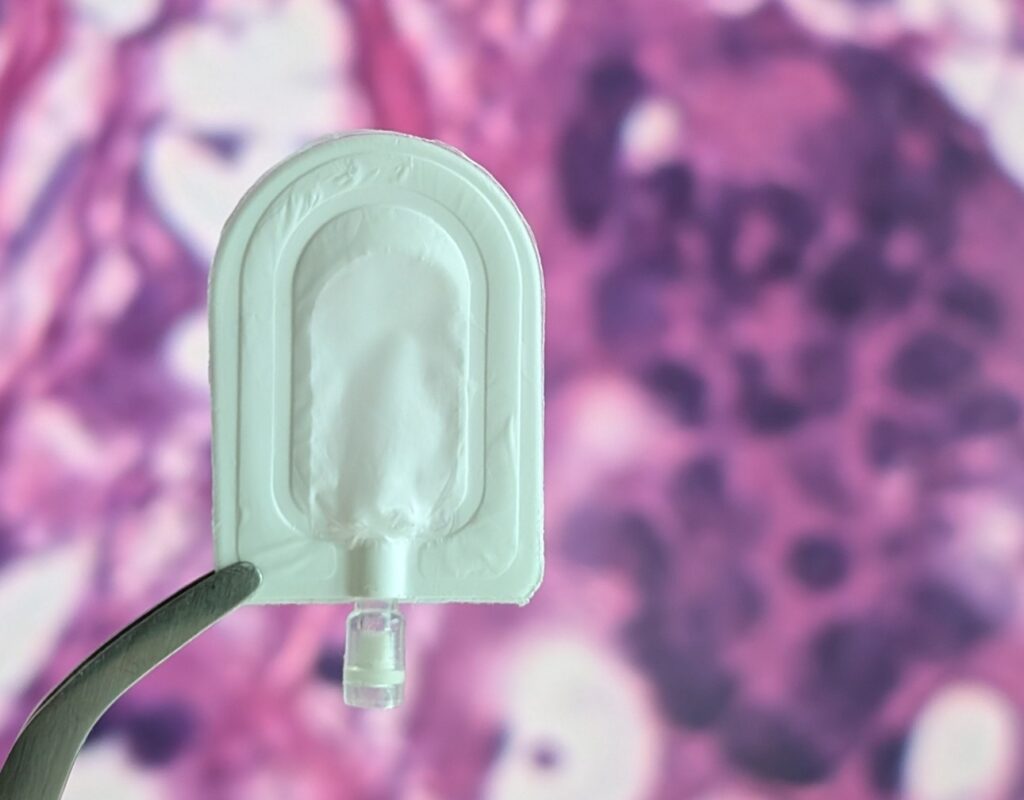
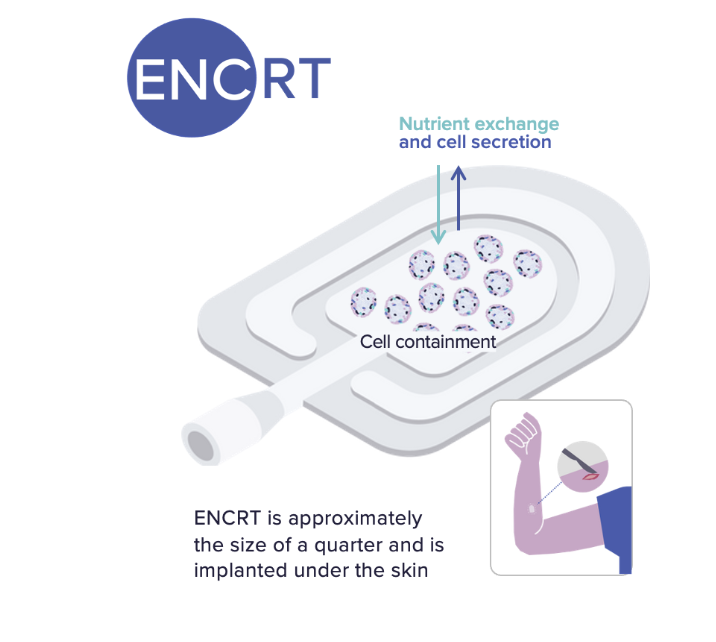
In Encellin’s trial, cadaveric human donor islets are being encapsulated in Encellin’s Encapsulated Cell Replacement Therapy (ENCRT) device and implanted into adults with T1D. This first-in-human trial is assessing (1) safety and adverse events, (2) cell survival within the device, and (3) fibrosis, or scarring, around the implants. 

Interim Results:
As planned, ENCRT devices were removed from the initial five participants after 4 months of implantation. Analysis of the removed devices show:

  • minimal to no fibrosis (formation of scar tissue around the device);
  • robust formation of blood vessels around the device;
  • viable islets inside the device.

These results indicate that the device has the potential to host islet cells while maintaining sufficient oxygen and nutrient flow for the cells to work effectively.

Historically, macroencapsulation devices (which act like a teabag to enclose the islet cells) have had limited success due to high levels of fibrosis that prevents cell survival, reduces the ability of the cells to access oxygen and nutrients, and limits the release of insulin. The preliminary finding that fibrosis is not occurring with Encellin’s device is therefore a critical step toward overcoming the barrier of fibrosis with islet encapsulation devices and advancing the development and delivery of cell-based therapies for people with T1D.

We will continue to report updated results as they become available.

Breakthrough T1D’s Role:
Encellin’s technology was originally developed within the Lab of Dr. Tejal Desai (University of California San Francisco) with funding from Breakthrough T1D, which was crucial in the formation of Encellin as a company and attracting subsequent venture capital.

JDRF-CIHR Partnership to Defeat Diabetes Grants Now Announced

The pace of type 1 diabetes (T1D) research is moving faster than ever before. 

In November 2021 to mark November’s National Diabetes Awareness Month, JDRF announced a new investment of $7 million to support four Canadian research teams as part of the JDRF-CIHR Partnership to Defeat Diabetes, which will help to accelerate development of stem cell-based therapies for T1D as well as improve pediatric diabetes research and quality improvement across Canada, and our understanding of variation in human insulin production. 

This is part of the results of the Team Grants in Diabetes Mechanisms and Translational Solutions competition, an investment of $20M in 10 research projects. Diabetes Canada, Kidney Foundation of Canada, and the FRQS have also received funding as part of this competition, as all work together to improve health outcomes for Canadians. 

JDRF is pleased to share the summaries of all four research grants: 

Designing stem cell-derived islets for diabetes therapy

Dr. Timothy Kieffer (University of British Columbia) Nika Shakiba, (University of British Columbia), Dr. Elizabeth Rideout, (University of British Columbia; CIHR Sex and Gender Science), Dr. Corinne Hoesli, (McGill University), Dr. Christopher Moraes (McGill University) 

People with type 1 diabetes lack the islet cells that release the hormone insulin. Scientists at the University of Alberta made breakthrough improvements in transplanting clusters of insulin-producing islet cells. The procedure is quick, and many transplant recipients can reduce or even eliminate insulin injections. Unfortunately, the only current source of islets for transplant is recently deceased donors and only a tiny fraction of those in need can receive the procedure.  

Over the past several years, there have been remarkable breakthroughs in unravelling the process by which islet cells develop naturally in the body. As a result, it is now possible to replicate many steps of this process in the laboratory with cultured stem cells, culminating in insulin-producing cells. Kieffer and his team are aiming to significantly improve upon the manufacturing of the islet cells to obtain more robust insulin delivery, with a focus on generating an optimized process to mass-produce stem cell-derived islet cells that will form the basis for new clinical trials in patients with type 1 diabetes. 

A first-in-human trial of autologous induced pluripotent stem cells (ipsc)-derived islets: Developing a personalized diabetes therapy

Dr. James Shapiro, (University of Alberta), Dr. Timothy Kieffer, (University of British Columbia),
Dr. Gregory Korbutt, (University of Alberta), Dr. Patrick MacDonald, (University of Alberta), Dr. Andrew Pepper, (University of Alberta), Dr. Blaire Anderson, (University of Alberta), Dr. Anna Lam, (University of Alberta), Dr. Peter Senior, (University of Alberta), Dr. Khaled Dajani, (University of Alberta) 

In type 1 Diabetes (T1D, ~10%), the B-cells are destroyed by one’s own immune system. In type 2 Diabetes (T2D, ~90%), the body becomes more resistant to insulin, increasing the demand and eventually leading to B-cell damage. Shapiro and his team will develop a stem cell-based therapy to replace or supplement damaged B-cells in people with all types of diabetes.  

They propose to manufacture new B-like cells from patients’ own blood cells so that they will be accepted by the immune system and no/minimal anti-rejection drugs are needed. In this project, they will conduct a first-in-human trial to implant these cells under the patient’s skin and evaluate their safety and preliminary efficacy. 

Being able to transplant an unlimited supply of self-derived islet cells without immunosuppressants is a novel approach to treat all forms of diabetes.

A deep phenotyping network for understanding human islet variation in health and diabetes 

Dr. Patrick MacDonald, Nominated Principal Investigator: Canada Research Chair; University of Alberta, along with his team: Dr. James D. Johnson, (University of British Columbia) Dr. Jennifer Bruin, (Carleton University) and Dr. Jianguo (Jeff) Xia, (McGill University). 

Insulin is the primary hormone responsible for controlling blood sugar levels. It is produced by the pancreatic islets of Langerhans, rises after a meal to promote energy storage, and falls during fasting to allow energy mobilization. The levels of insulin in the blood vary tremendously amongst people. Nutrition, age, sex, genetics, and environmental exposures are all important factors likely to impact insulin levels. However, the underlying mechanisms by which these factors affect islet insulin production at the cellular level are not clear.   

This team seeks to understand the variability in human islet function in relation to genetic and environmental impacts on diabetes risk and to identify mechanisms of islet dysfunction in diabetes. To do this they will take advantage of extensive data on the molecular, cellular, and physiological function of islets from human organ donors. They will also produce tools and resources so that other researchers can explore this data to answer their own questions about islet dysfunction in diabetes.  

Building CAPACIty for pediatric diabetes research and quality improvement across Canada  

Dr. Shazhan Amed, Nominated Principal Investigator: B.C Children’s Hospital, along with her team: 

Dr. Meranda Nakhla, (Montreal Children’s Hospital; McGill University), Dr. Julia von Oettingen, (Montreal Children’s Hospital; McGill University) and Dr. Ian Zenlea, (Trillium Health Partners; University of Toronto). 

Although there have been many advances in diabetes care since insulin was discovered 100 years ago, youth with diabetes continue to have a higher risk of other health problems, a lower quality of life, and a shorter life span than their peers without diabetes. This health gap is likely in part due to suboptimal access to and delivery of their diabetes care, which is worse in disadvantaged populations across Canada. This project will develop strategies to address these gaps.   

The CAnadian PediAtric diabetes ConsortIum (CAPACIty) is a network of 15 childhood diabetes centers from across Canada. They are partnering with patients/families and health care professionals to jointly design and develop a Canada-wide childhood diabetes registry and research platform. The registry will enable them to improve diabetes care and health outcomes for Canadian youth through comparison of diabetes care quality and outcomes between Canadian diabetes centers, quality improvement initiatives, patient-informed research initiatives across Canada, and successful advocacy work.   

They anticipate that the CAPACIty registry will not only lead to better health outcomes but also serve as a powerful tool for governments and decision-makers to implement policy decisions that are driven by our data. Lastly, the patient advisory board will ensure better representation of youth with diabetes and their parents among provincial and national associations that advocate for people living with diabetes. 

As we celebrate the centenary of the first successful insulin shot in 2022, a groundbreaking achievement that saved millions of lives, we recognize the need to continue investing in research that will move us beyond insulin treatment towards a cure.  

These new grants are an important step in that direction. 

To read more about all the JDRF-CIHR Partnership to Defeat Diabetes: www.breakthrought1d.ca/research/jdrf-cihr-funded-projects/ 

Donate | Donnez